Ministry of Information & Broadcasting
Ministry of Information and Broadcasting to organize Waheeda Rehman retrospective to honor the Dadasaheb Phalke 2021 awardee
Four timeless classics restored by NFDC-NFAI as part of the National Film Heritage Mission to be screened
प्रविष्टि तिथि:
17 OCT 2023 4:34PM by PIB Mumbai
On the day of the 69th National Film Award ceremony held in the Delhi, the Ministry of Information and Broadcasting, Government of India, has announced that it will be celebrating the lifetime contribution of Waheeda Rehman, who has been conferred the Dadasaheb Phalke Award 2021, by hosting a four-day film festival, ‘Waheeda Rehman Retrospective’ in Delhi from October 18-21.
This four-day festival will be hosted at the Film Division Auditorium at Mahadev Road in Delhi and will screen a thoughtfully chosen selection of masterpieces. The films include "Guide" (1965) on October 18, "Bees Saal Baad" (1962) on October 19, "Pyaasa" (1957) on October 20 and "Kaagaz ke Phool" (1959) on October 21, 6pm onwards. The screenings are non-commercial and on a first-come, first-served basis.
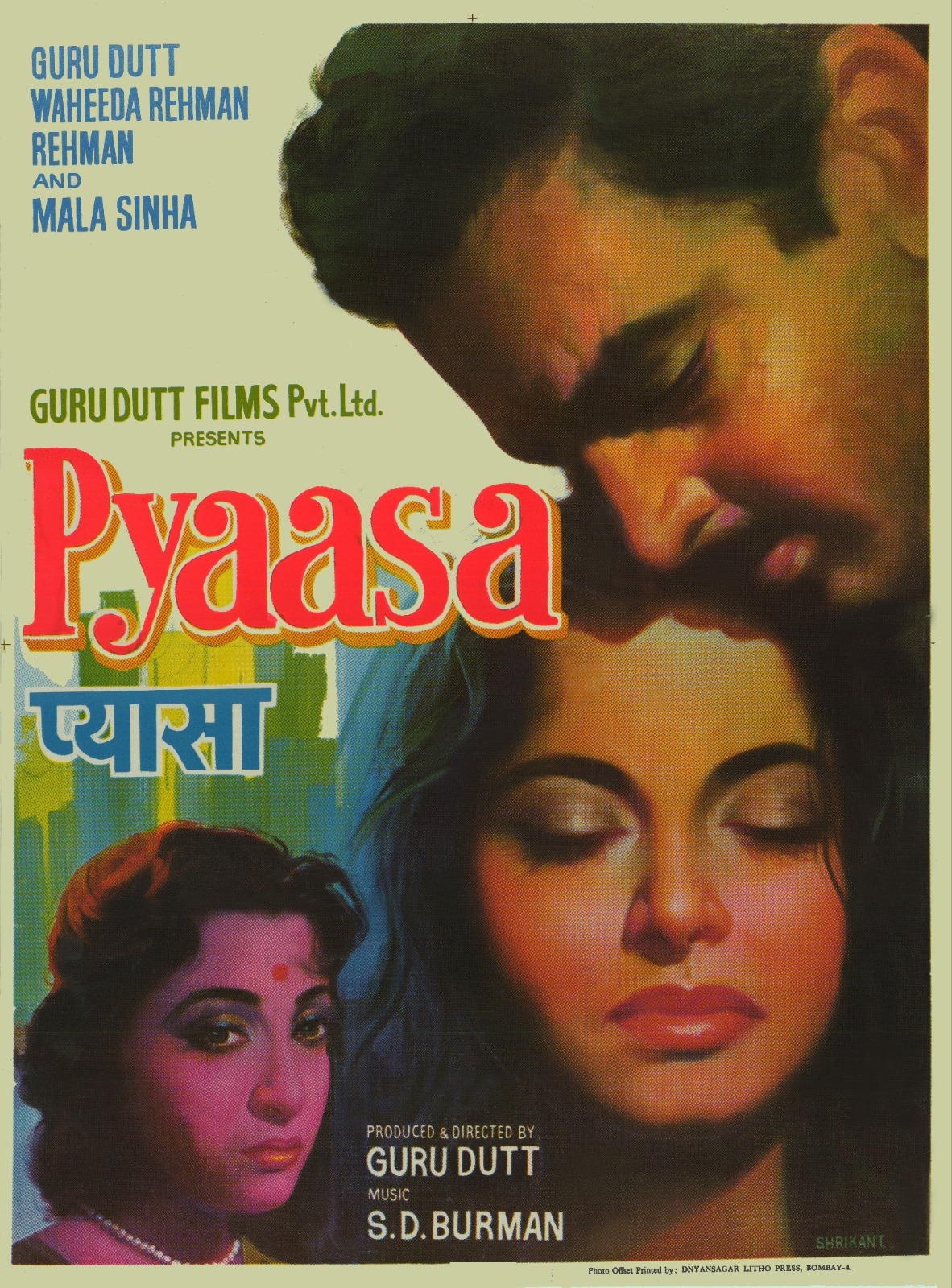

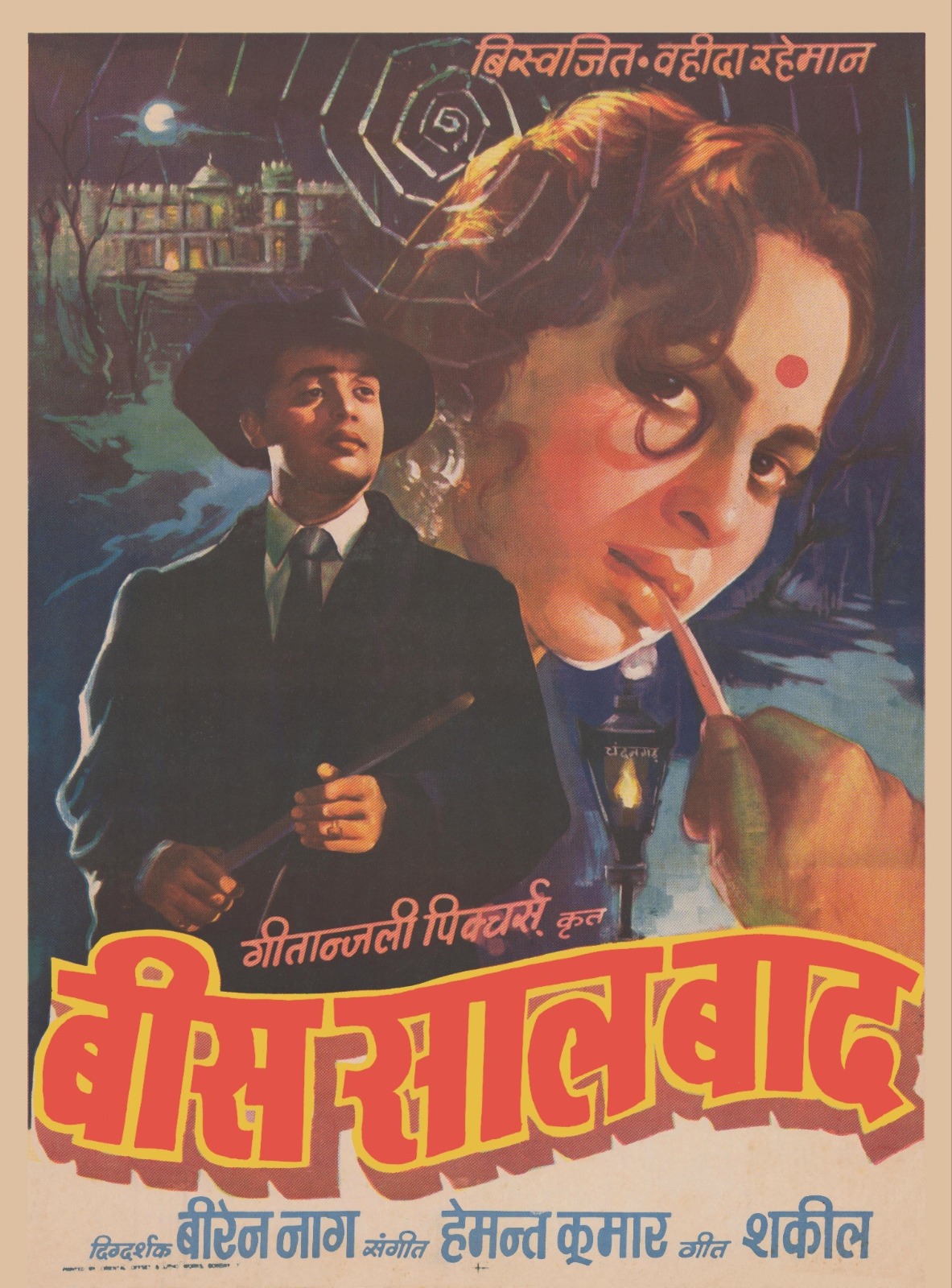
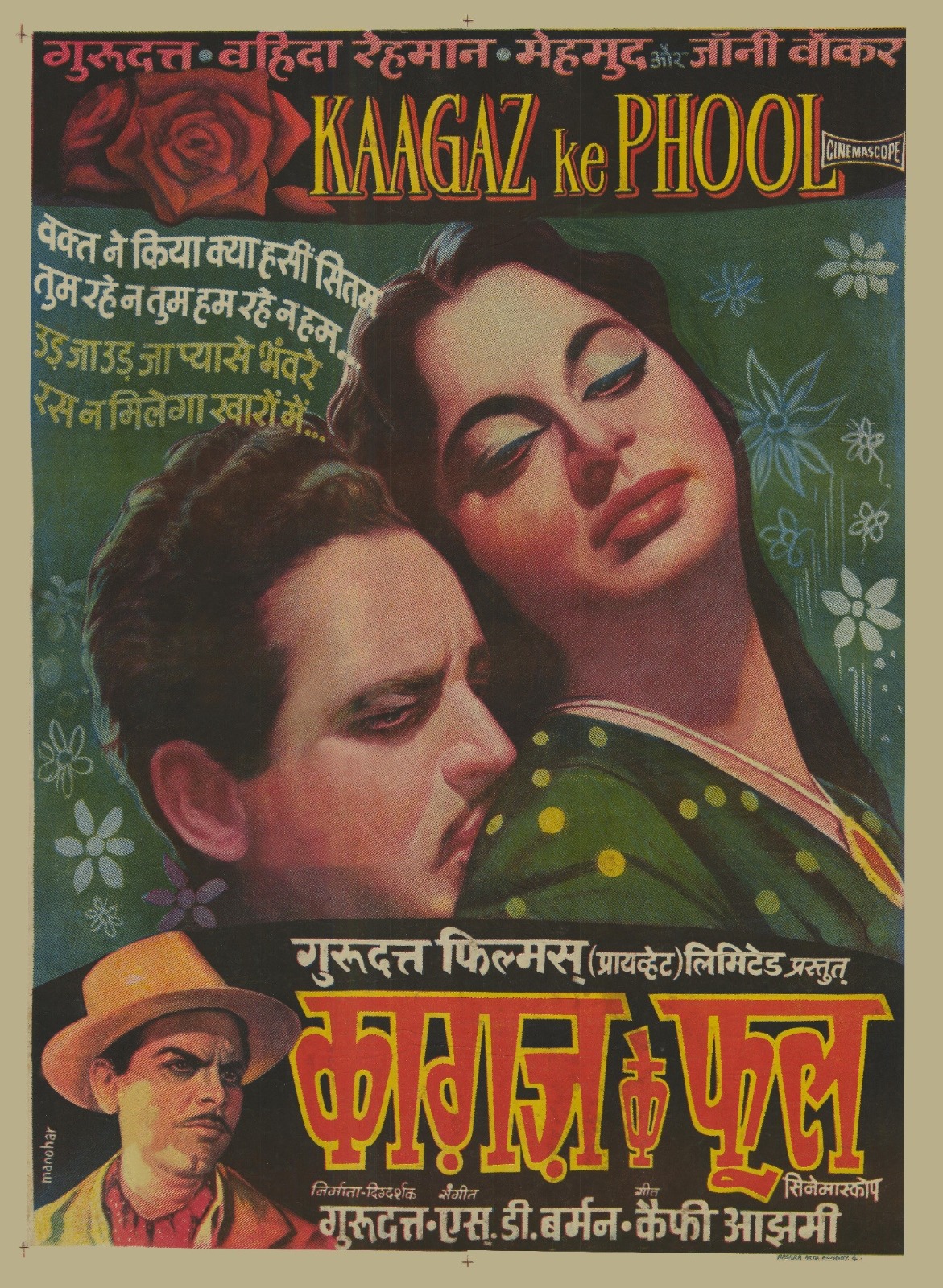
What makes this retrospective even more special is that two of the four films to be screened, Guide and Bees Saal Baad have been restored in 4K and Pyaasa (1957) and Kaagaz ke Phool (1959) have been restored in 2K as part of the National Film Heritage Mission with laborious efforts of the National Film Development Corporation - National Film Archive of India (NFDC-NFAI), an initiative of the Ministry of Information and Broadcasting to revive old classic Indian films and preserve the film Heritage of Indian Cinema.
The intricate process of restoration takes months with multiple experts working on the original film reel to rejuvenate it. Before initiating restoration, 35mm release prints of Guide and a 35mm master positive of Bees Saal Baad have been scanned on state-of-the-art archival film scanners in 4K resolution. The films were preserved in NFDC-NFAI's vaults for several decades in temperature- and relative humidity-controlled environments. It is this long-term preservation of the landmark films that has made the new 4K restorations possible.
It takes several complex steps for a film to get restored in 4K, wherein each frame is meticulously restored and time-induced aspects such as dust, dirt, splices, pinholes, tears, and scratches are digitally removed. A three-hour-long movie has more than 2.5 lakh frames, which need to be worked upon. This is followed by colour grading, where concentrated efforts are put to tackle the issue of color fading and make the film appear as vibrant-looking as it was at the time of the release. Simultaneously, the audio of the film is also being digitally restored. The final restoration would give the audience the feeling that the print was freshly processed and printed in a photochemical film lab.
4K restored versions of these cinematic gems are not available with any other institution in the country and the restrospective will be a rare chance for Cinephiles to witness these films on the big screen.
Further details of venue, date and time are available on NFDC’s social media pages.
***
HA/PK
Follow us on social media:  @PIBMumbai
  /PIBMumbai
  /pibmumbai
  pibmumbai[at]gmail[dot]com
(रिलीज़ आईडी: 1968442)
आगंतुक पटल : 183
इस विज्ञप्ति को इन भाषाओं में पढ़ें:
Marathi