Ministry of Environment, Forest and Climate Change
ZSI Scientists Discovers New Scarab Beetle Species in Northeast India, Bolstering Conservation Efforts
Posted On:
11 APR 2025 4:44PM by PIB Kolkata
Kolkata; April 11, 2025
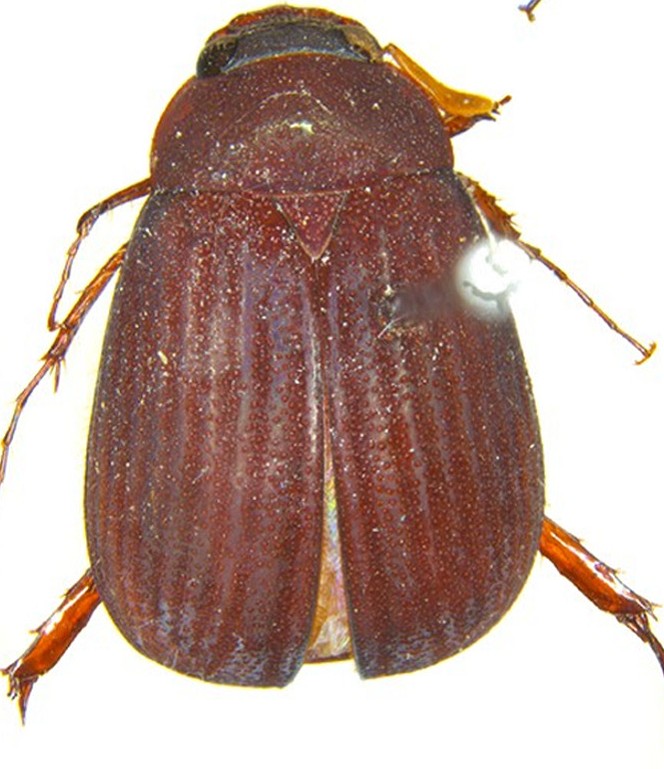
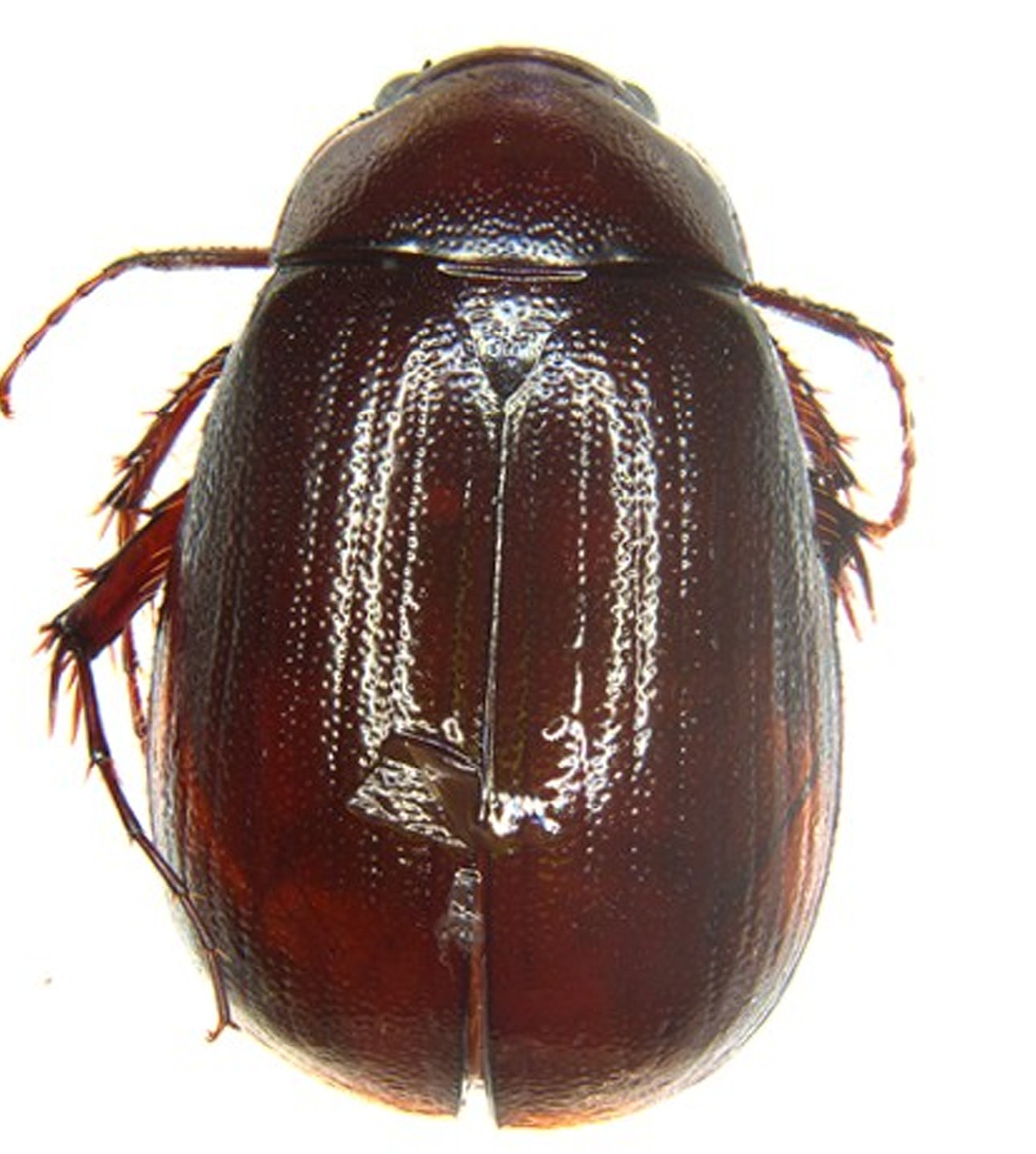
A ground-breaking study published in the journal Zootaxa has announced the discovery of six new species of Sericinae beetles from the biodiversity-rich regions of India. This significant finding, led by researchers from the Zoological Survey of India and the Museum A. Koenig in Germany, underscores the exceptional biodiversity of Northeast India and the Western Ghats and emphasizes the urgent need for continued exploration and conservation initiatives.
The research team, comprising Dr. Devanshu Gupta, Dr. Debika Bhunia, and Dr. Kailash Chandra from the Zoological Survey of India, and Dr. Dirk Ahrens from the Museum A. Koenig, meticulously examined beetle specimens housed in the Coleoptera Section of the Zooloigcal Survey of India, Kolkata and Museum A. Koenig, Germany. Their comprehensive analysis not only revealed these six previously unknown species belonging to the genera Maladera, Neoserica, and Serica but also documented new regional records for 28 other species, significantly enhancing our understanding of the area's rich insect fauna. This international collaboration highlights the crucial role of global partnerships in the exploration and preservation of our planet's biodiversity.
The newly identified beetle species are:
Maladera champhaiensis
Neoserica churachandpurensis
Maladera barasingha
Maladera lumlaensis
Serica subansiriensis
Maladera onam
Dr. Dhriti Banerjee, Director of the Zoological Survey of India, Kolkata, stated, “This research highlights the critical role of international cooperation in advancing scientific knowledge and conservation outcomes and the need for ongoing exploration and documentation of insect biodiversity, particularly in under-sampled regions.” Dr. Dhriti Banerjee, Director, ZSI, further emphasized, “This research underscores the importance of taxonomic studies and international collaborations in biodiversity conservation. By accurately identifying and documenting species, scientists provide essential data for conservation planning and management. We call for increased sampling efforts, particularly in Northeast India, to further enhance our understanding of regional biodiversity and to inform strategies for its protection.”
The study also reported new state records for Maladera bengalensis in Goa and M. seriatoguttata in Maharashtra, further contributing to our knowledge of species distribution.
Biodiversity Significance and Regional Highlights:
The discoveries emphasize the ecological importance of India’s diverse biogeographic zones:
Northeast India: Part of the Himalayan biodiversity hotspot, this region is known for its high species richness and endemism. The discovery of Maladera champhaiensis, Neoserica churachandpurensis, Maladera barasingha, Maladera lumlaensis, and Serica subansiriensis in this area underscores the necessity for continued research and protection of this fragile ecosystem.
Kerala and the Western Ghats: Another significant biodiversity hotspot, the Western Ghats are renowned for their unique plant and animal life. The identification of Maladera onam from Kerala adds to the understanding of the region's rich insect diversity and highlights the need for conservation efforts in the face of increasing environmental pressures.
Etymology of New Species:
The names of the new species often reflect their origin or regional significance:
Maladera champhaiensis: Named after Champhai, Mizoram.
Neoserica churachandpurensis: Named after Churachandpur, Manipur.
Maladera barasingha: Named after the Indian swamp deer ("Barasingha") due to a resemblance of the beetle's aedeagus to the deer's antlers.
Maladera lumlaensis: Named after Lumla, Arunachal Pradesh.
Serica subansiriensis: Named after Subansiri, Arunachal Pradesh.
Maladera onam: Named after the Onam festival in Kerala, where the species was found.
The authors emphasize the significance of these discoveries for understanding biodiversity hotspots, the ecological roles of Sericinae beetles (some of which are crop pests), and for informing crucial conservation strategies. Accurate species identification and distribution data are vital for assessing the conservation status of species and implementing effective protection measures.
Dr. Devanshu Gupta, Scientist-D and Officer-in-Charge of the Coleoptera Section at the Zoological Survey of India, Kolkata, emphasized that understanding the ecology and distribution of these beetle species yields tangible benefits for the wider community. Identifying potential pest species early enables the development of targeted, environmentally friendly pest management strategies, thus reducing reliance on harmful chemicals that can impact both human health and the environment. Moreover, preserving the biodiversity of these regions supports ecotourism initiatives, creating economic opportunities for local communities and fostering environmental stewardship. Recognizing that some Sericinae are known crop pests while others contribute to soil health, closing these knowledge gaps is crucial for developing sustainable agricultural practices, mitigating potential pest outbreaks that threaten farmers' livelihoods, and ensuring the long-term health of our natural environment for present and future generations”.
This discovery marks a significant step forward in understanding India's rich biodiversity and reinforces the critical need for ongoing research and conservation efforts in these ecologically important regions.
***
MSA…
(Release ID: 2120964)
Visitor Counter : 1338