Ministry of Earth Sciences
IISF built on Celebration, Communication and Career: Dr.Jitendra Singh inaugurates science festival in Panchkula
India’s push for Atmanirbhar science underway, Self-reliance in science no longer aspirational, says the Minister
From polar research to deep tech, IISF showcases India’s expanding science ecosystem
Posted On:
06 DEC 2025 6:30PM by PIB Delhi
Panchkula, December 6: Framing the India International Science Festival around what he described as the three “C’s” — Celebration, Communication and Career — Union Minister for Science and Technology Dr. Jitendra Singh today inaugurated the four-day national science event at Panchkula in Haryana, emphasising that India’s scientific progress must extend beyond laboratories and engage citizens, students and young professionals in a meaningful way. The 11th edition of the festival is being held from December 6 to 9.
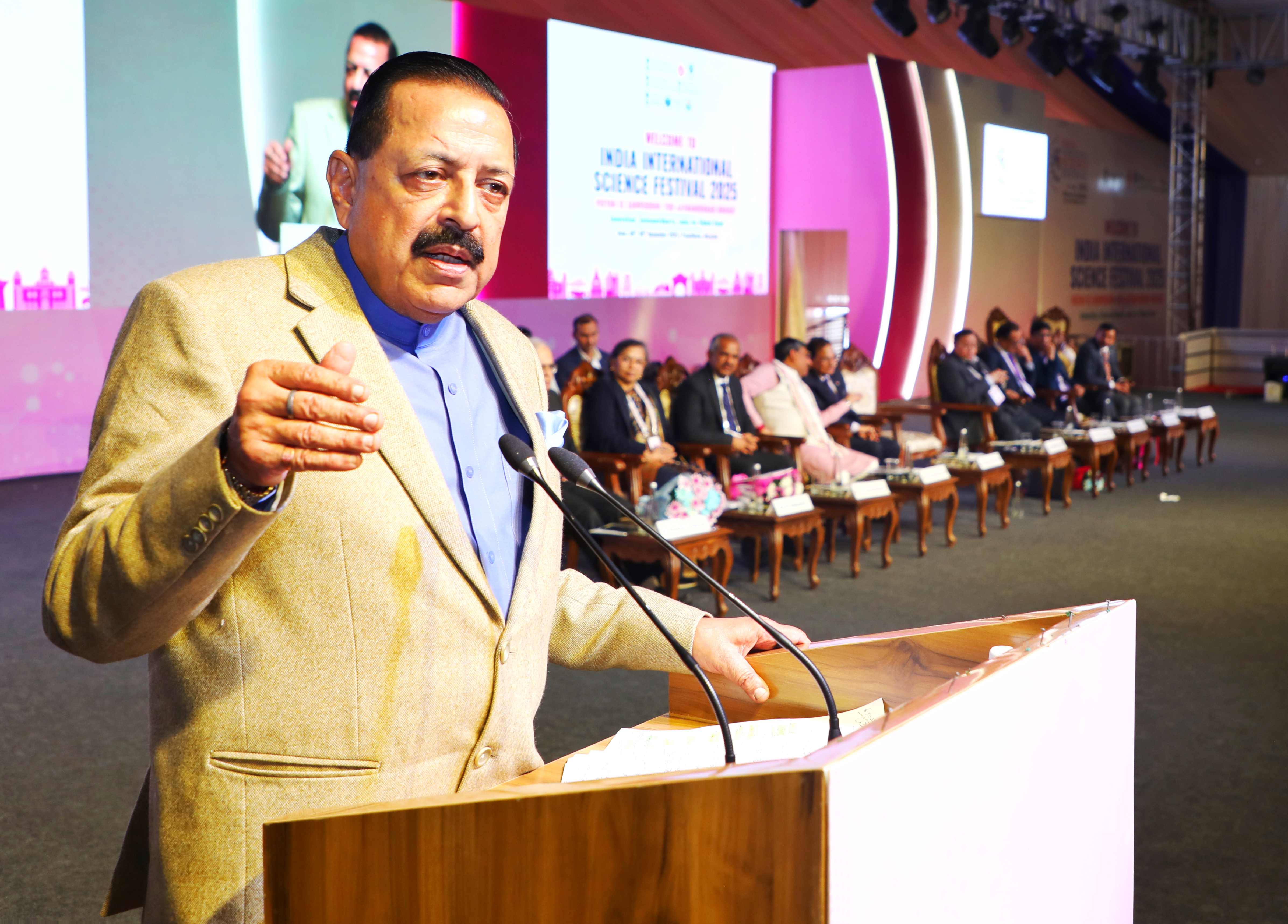
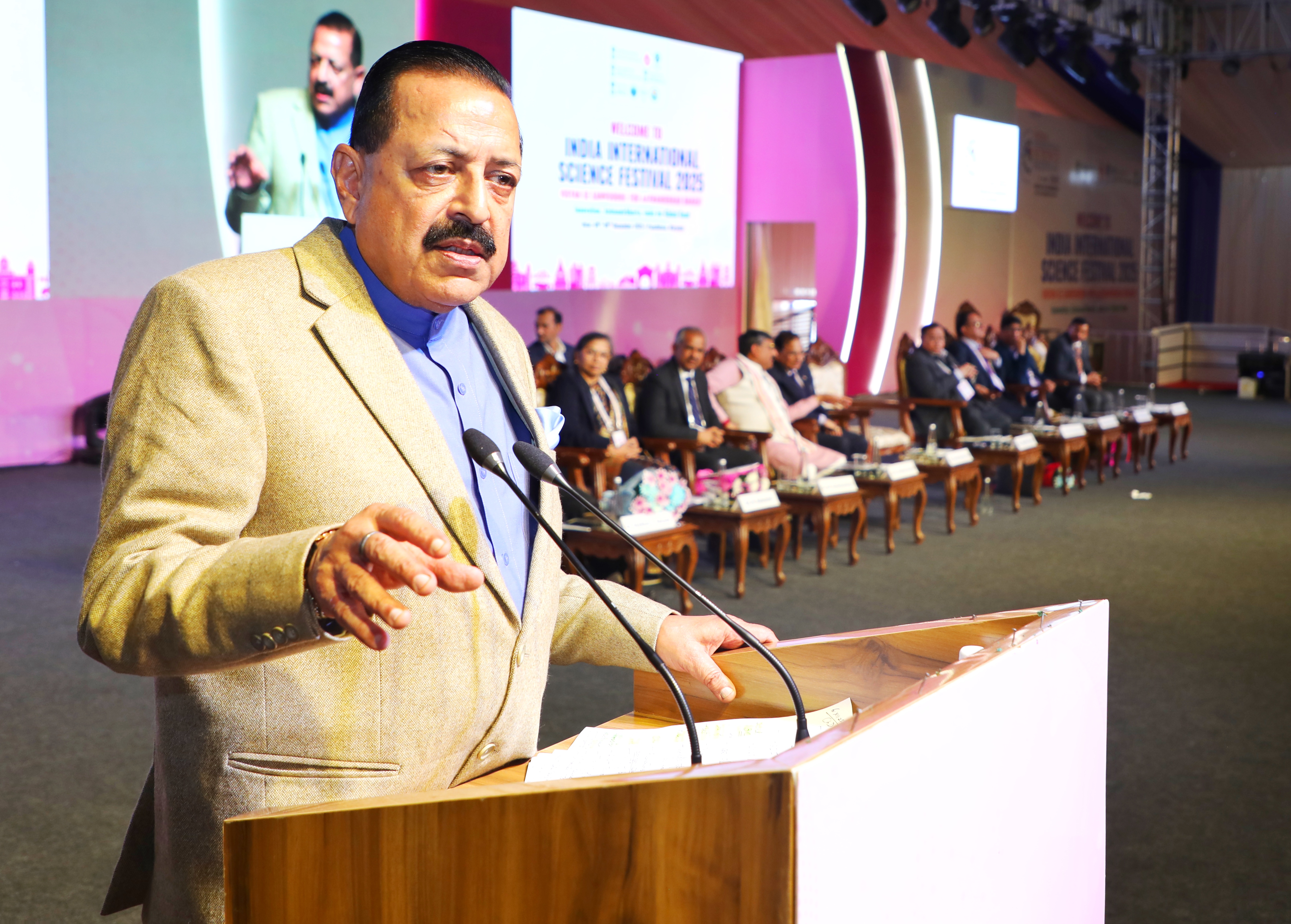
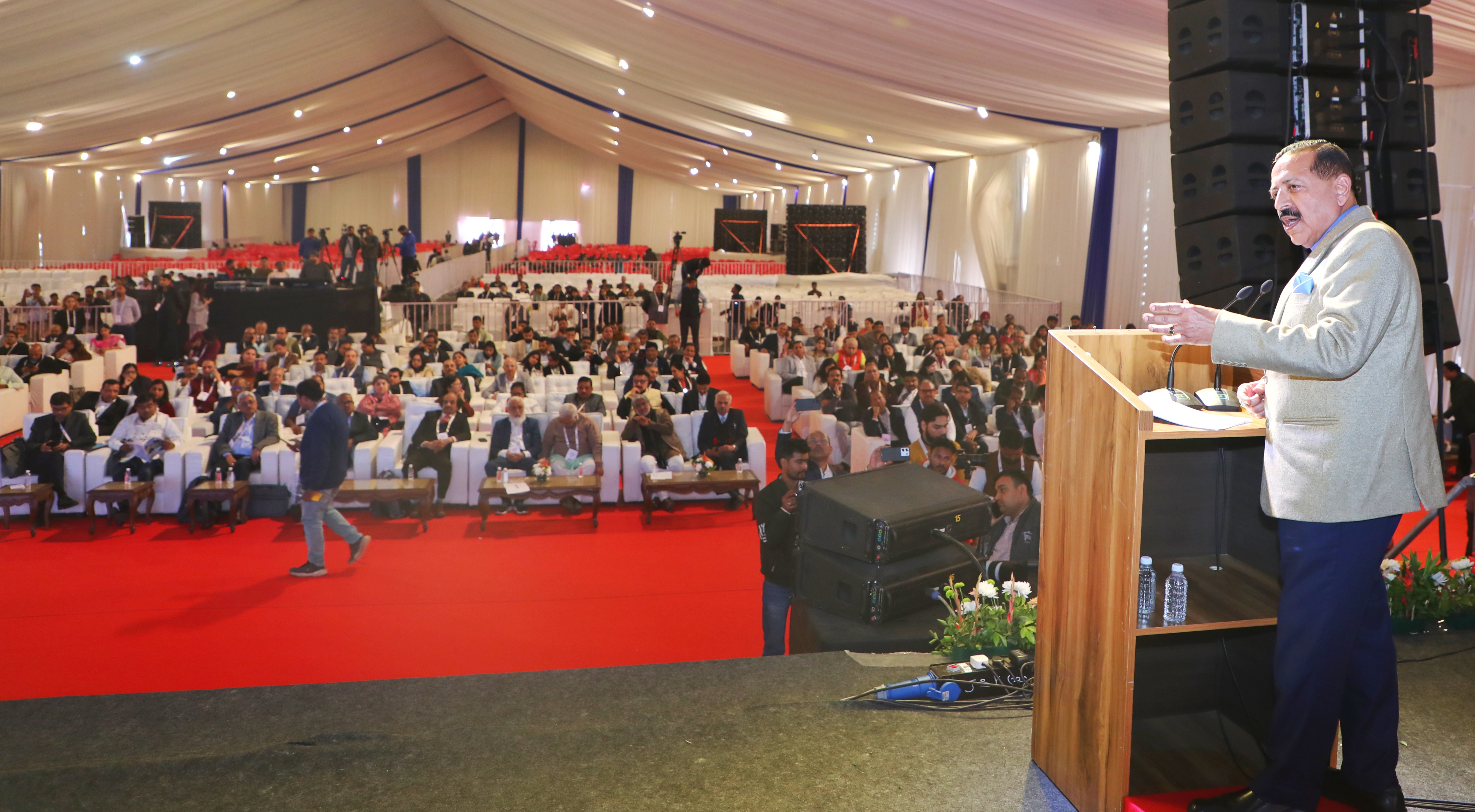
Addressing the inaugural session, Dr. Jitendra Singh said the India International Science Festival was conceived not as a routine academic gathering but as an open, public-facing platform that brings science closer to people. He said the festival encourages interaction between scientists and the intended beneficiaries of scientific research, reflecting the government’s emphasis on greater coordination and cohesion among science ministries and departments.
Elaborating on the three “C’s”, the Minister said IISF celebrates India’s scientific journey and achievements across sectors, communicates scientific knowledge beyond academic and research institutions, and serves as a career discovery platform for young participants. He noted that students, researchers and first-time learners get exposure to emerging opportunities in research, startups and industry through structured sessions as well as informal networking during the festival.
Placing IISF within the broader national vision of Viksit Bharat@2047, Dr. Jitendra Singh said science and technology form the foundation of economic development and social transformation. He observed that over the past decade, India has adopted a mission-driven approach to science, supported by reforms, increased investment in infrastructure and an emphasis on talent development. He pointed out that scientific advances now directly support governance and public service delivery, ranging from improved weather forecasting and early warning systems to polar research and digital technologies.
Referring to the theme of IISF 2025 — Vigyan se Samruddhi: Towards an Atmanirbhar Bharat — the Minister said self-reliance in science is steadily taking shape. He highlighted initiatives to create major scientific assets indigenously, including a multipurpose all-weather research vessel expected to be commissioned in 2028 and the country’s ongoing human submersible programme. Indian institutions, he added, are also contributing climate data and models that are used internationally.
Dr. Jitendra Singh highlighted India’s improved global standing in innovation, research output and entrepreneurship, citing the growth of the startup ecosystem, increased patent filings by resident Indians and recognition in emerging areas of science and technology. He referred to achievements such as the Chandrayaan-3 mission, indigenous vaccine development during the Covid-19 pandemic and advances in biotechnology as examples of research delivering tangible outcomes.
Emphasising youth outreach, the Minister said a significant portion of IISF activities are designed for schoolchildren, college students and young researchers. He underlined the need to broaden perceptions around science careers, stressing that opportunities today extend well beyond government employment to include startups, industry-led research and applied innovation. Sessions on areas such as quantum technologies, biotechnology, the blue economy and deep-tech entrepreneurship form part of this year’s programme.
Dr. Jitendra Singh also stressed the importance of stronger collaboration between public research institutions and private industry, noting that innovation flourishes when policy support, funding and enterprise work in tandem. Recent policy measures allowing greater private participation in sectors such as space, health technologies and advanced manufacturing were aimed at creating a more enabling innovation ecosystem, he said.
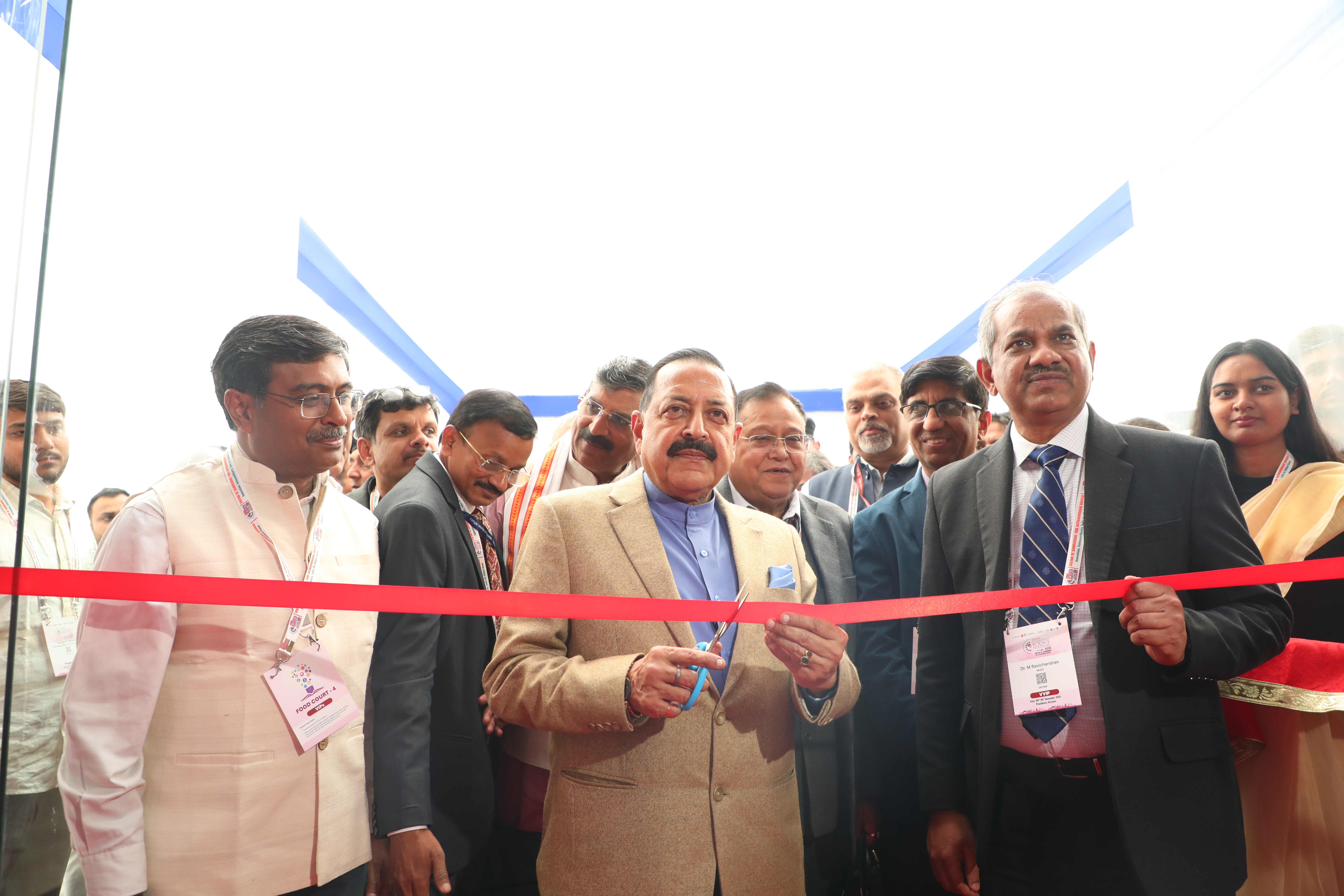
During the inaugural programme, the Minister inaugurated the Science-Technology-Defence-Space Exhibition and the “Science on a Sphere” installation, which present scientific capabilities and ongoing research through interactive displays. He also interacted, via a live interface, with researchers at Bharati, India’s research station in Antarctica, and reviewed scientific work being carried out in extreme polar conditions, highlighting India’s expanding polar research efforts and indigenous capabilities.
With exhibitions, lectures and interactive sessions scheduled over the next four days, the India International Science Festival aims to deepen public engagement with science while contributing to long-term national objectives in research, innovation and human resource development.
***
NKR/AK
(Release ID: 2199846)
Visitor Counter : 900