Ministry of Fisheries, Animal Husbandry & Dairying
Department of Fisheries’ push for Capacity building in Fisheries and Aquaculture Sector
Structured Skilling programmes executed, over 22,000 participants trained
Posted On:
10 JAN 2026 1:51PM by PIB Delhi
The Pradhan Mantri Matsya Sampada Yojana (PMMSY) emphasizes skill development and capacity building as critical enablers for modernizing the fisheries value chain, enhancing productivity, reducing post-harvest losses and establishment of marketing linkages by developing human resource and institutional capacity.
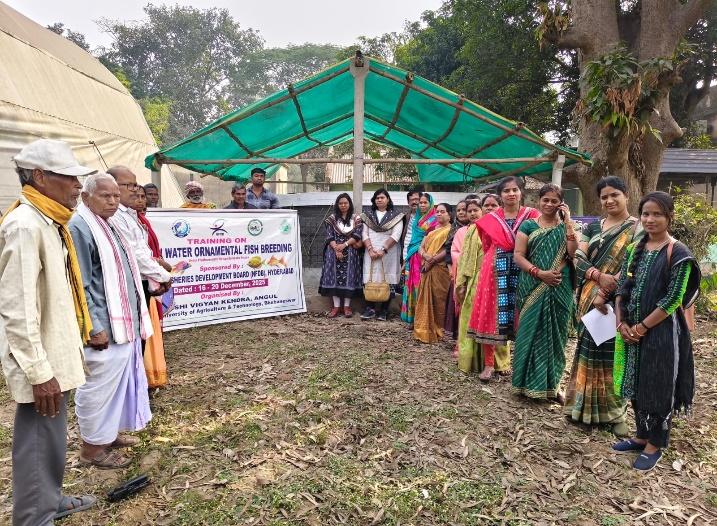
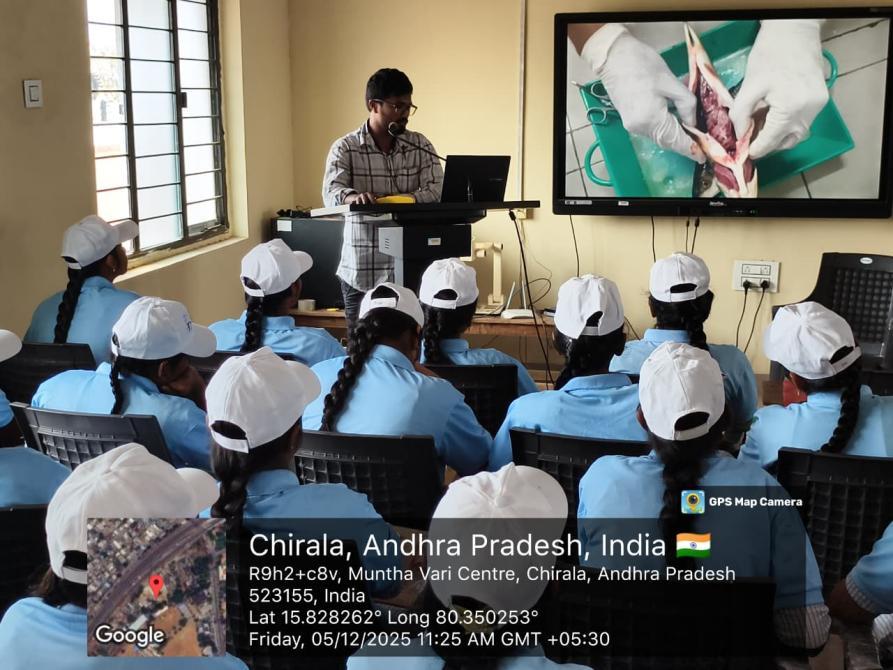
To advance the objectives of PMMSY and align with the vision of Viksit Bharat 2047 in the fisheries and aquaculture sector, Hon’ble Union Minister for Fisheries, Animal Husbandry and Dairying and Panchayati Raj, Shri Rajiv Ranjan Singh (Lalan Singh), released the “Training & Capacity Building Programme Calendar of Fisheries Institutes of ICAR & its Regional Centres” “Training, Capacity Building and Exposure Visit Calendar by NFDB and ICAR” on the occasion of National Fish Farmers Day, 10th July 2025 at ICAR-Central Institute of Freshwater Aquaculture (CIFA), Bhubaneswar, Odisha. This calendar provides a structured road map for training and capacity-building programmes for 2025–2027, including training sessions, exposure visits, and knowledge-sharing initiatives.
Comprehensive Coverage and Curriculum
These programmes serve to empower fishers and fish farmers by enhancing their technical skills, promoting the adoption of scientific practices, and ensuring environmentally responsible operations. With rapid advancements in aquaculture technologies and increasing demand for quality fish products, structured training covers areas of Pre-production, Production and Post Production focusing on hatchery operations, advance grow out techniques, Integrated/composite fish culture, fish health management, feed formulation, seaweed cultivation, and value-added fish processing. Special focus is given to modern systems like Recirculatory Aquaculture System (RAS), Biofloc, cage culture, and ornamental fish breeding, enabling fish farmers to diversify and expand operations. Livelihood and employment focused trainings on Ornamental fisheries, Fish Marketing linkages and Women targeted fish value added products are also structured in the calendar. These training programmes also comprise of specialised training programs on Deep Sea fishing, Traceability & Certification(This component we have not sanctioned as of now). The structured Exposure visits on Pan India basis enables the farmers to witness the advanced culture technologies and enhances practical knowledge. The domestic fish/shrimp consumption is being promoted through the Fish festivals, Melas, etc. ,
The various training programmes include short-term and long-duration training courses, Exposure visits, Workshops, Conferences, Training of Trainers (ToTs) etc, to equip the stakeholders with the required knowledge and skills tailored to respective occupational functions and performance needs.

Budget and Implementation
In this regard, the Department of Fisheries, GoI has earmarked financial component of Rs. 2.93 crore, via National Fisheries Development Board, Hyderabad, being the Nodal Implenting agency for Training and Capacity Building Programs under PMMSY and PM-MKSSY. Department of Fisheries is bearing all the expenses for the training of Fishermen, and fish farmers.
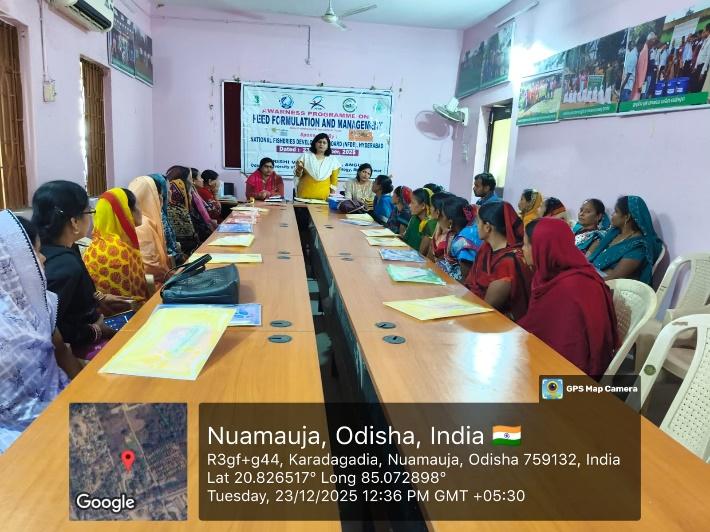
The training was provided by the State and UT Fisheries Departments, ICAR Fisheries Research Institutes and their Regional Centres, Krishi Vigyan Kendra (KVKs), Agriculture Skill Council of India (ASCI), Central Institute of Fisheries Nautical and Engineering Training (CIFNET) and NIFPHAT. Since last six months, total 499 Training programmes were conducted benefitting total 22,921 participants. By equipping stakeholders with modern practices and technologies, PMMSY continues to empower fish farmers, entrepreneurs, and allied communities, ensuring food security, nutritional well-being, and livelihood enhancement.
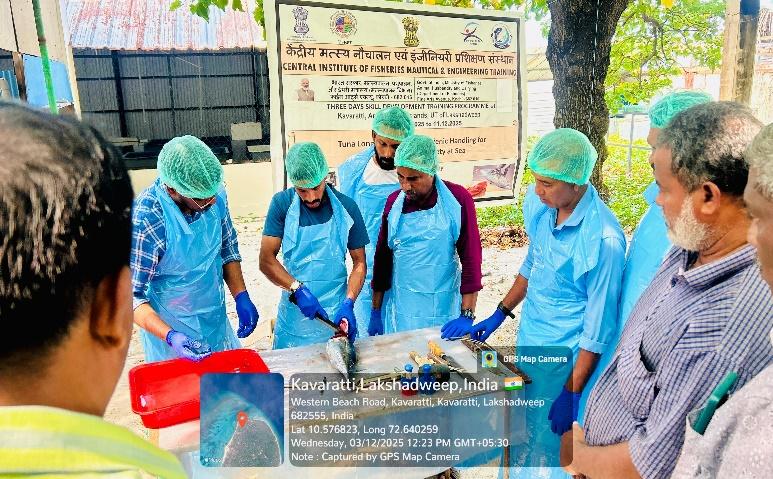
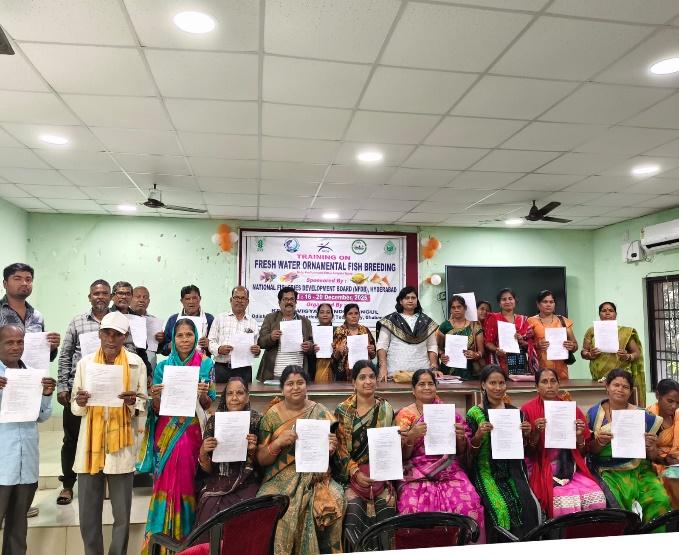
Future Outlook
This initiative led by Department of Fisheries has not only empowered stakeholders but also laid a strong foundation for the future growth and resilience of the fisheries and aquaculture sector. This initiative will ultimately contribute towards unlocking the potential of the sector, generating employment and thus, contributing to the socio-economic growth of the nation.
|
Sl. No.
|
Name of the Institute
|
Number of training Programme
|
Number of Participants
|
|
(i)
|
(ii)
|
(iii)
|
(vi)
|
|
1
|
ICAR-CIFE, Mumbai and its regional centres
|
55
|
1830
|
|
2
|
ICAR-CIFA, Bhubaneswar and its regional centres
|
27
|
737
|
|
3
|
ICAR-CIBA, Chennai and its regional centres
|
31
|
1207
|
|
4
|
ICAR-CIFT, Kochi and its regional centres
|
55
|
1001
|
|
5
|
ICAR-CIFRI, Kolkata and its regional centres
|
42
|
1776
|
|
6
|
ICAR- Central Institute of Coldwater Fisheries Research, Bhimtal
|
50
|
3040
|
|
7
|
ICAR-CMFRI, Kochi and its regional centres
|
23
|
622
|
|
8
|
ICAR-NBFGR, Lucknow and its regional centres
|
58
|
5592
|
|
9
|
ICAR-ATARI-Kolkata (Odisha, West Bengal, Andaman & Nicobar)
|
48
|
1660
|
|
10
|
ICAR-ATARI- Jabalpur (Madhya Pradesh & Chhattisgarh)
|
3
|
75
|
|
11
|
ASCI
|
26
|
796
|
|
12
|
TSP (Tribal Sub-Plan)
|
51
|
3185
|
|
13
|
SCSP (Scheduled Caste Sub-Plan)
|
19
|
950
|
|
14
|
CIFNET
|
11
|
450
|
|
|
Total
|
499
|
22921
|
Annexure1
***
J P
(Release ID: 2213183)
Visitor Counter : 5667