Department of Atomic Energy
2nd DAE Conclave at TIFR Showcases India’s Advances in Nuclear Science and Frontier Technologies
Posted On:
27 JAN 2026 5:11PM by PIB Mumbai
Mumbai, 27 January 2026
The 2nd DAE Conclave (DAEC2026) was organised by the Tata Institute of Fundamental Research (TIFR) from January 14 to 18, 2026, in Mumbai. The event brought together about 1,000 delegates, including scientists, technologists, researchers, scholars, from across DAE Units, Institutions and Grant-in-Aid Institutions.
This year's theme for DAEC2026 was “Creating Innovative Solutions for a Sustainable Future through Nuclear Horizons.” The deliberations underscored DAE’s integrated approach to addressing national priorities through innovation across the full spectrum of power and non-power applications of nuclear technologies, while reinforcing the importance of indigenous fundamental research, technological self-reliance and capacity building.
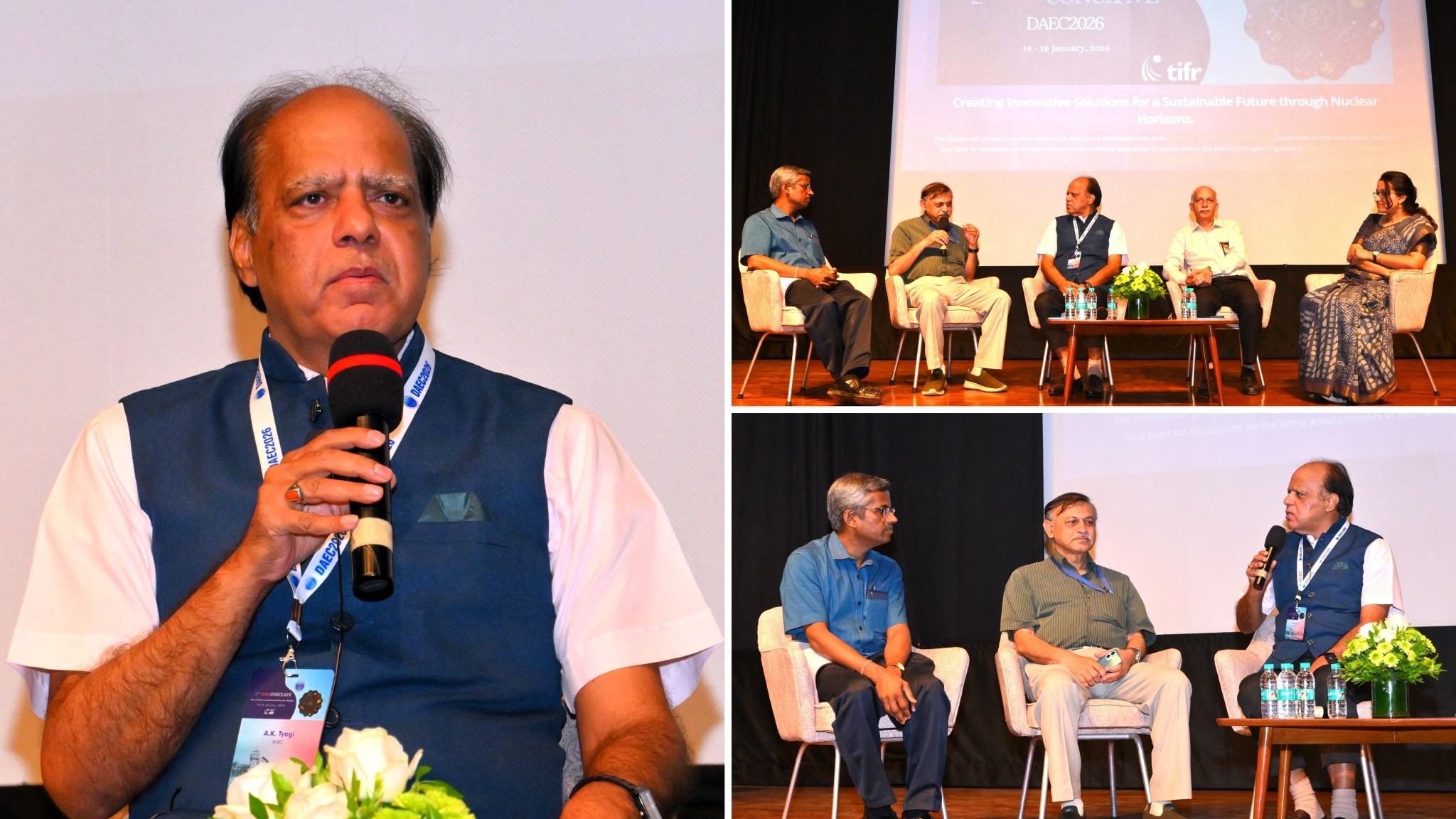
Through a carefully curated agenda and implementation, the DAEC2026 brought together experienced scientists and engineers alongside leading young contributors from DAE’s R&D, industrial and academic organisations on a single interactive platform. The format encouraged dialogue, collaboration and cross-fertilisation of ideas across disciplines.
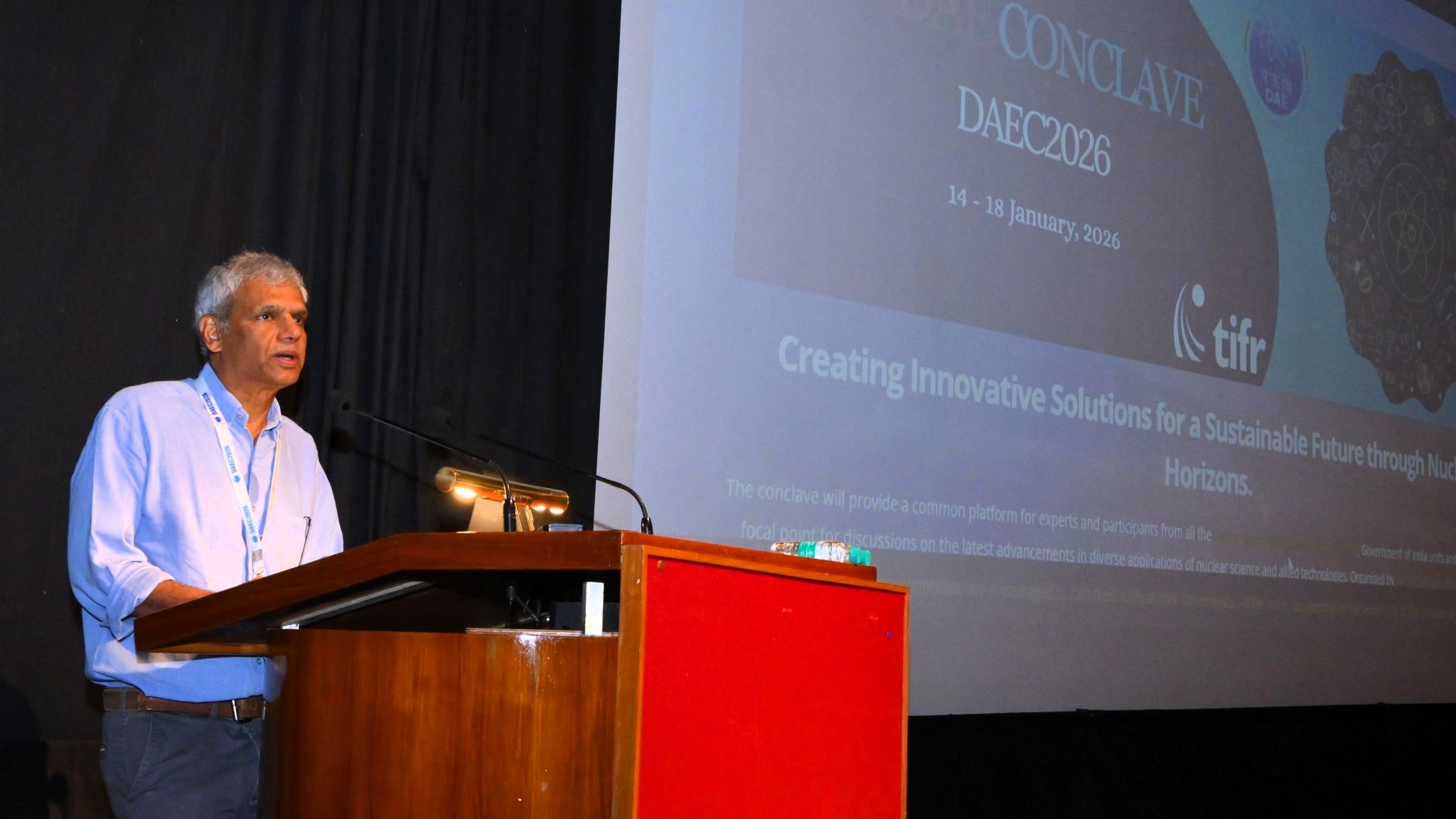
In his welcome address, TIFR Director Professor Jairam N. Chengalur highlighted the importance of an interdisciplinary approach to research and development to enable next-generation nuclear and atomic technologies.
Building on the DAE Maha Chintan Shivir held at TIFR in 2024, which launched the Department’s Amrit Kaal Vision 2047, and the first DAE Conclave organized by NISER, Bhubaneswar in 2024, DAEC2026 took the discussion forward on India’s long-term scientific and technological roadmap. The discussion highlighted how the frontiers of science and technology can support national priorities of sustainable development, energy security and technological self-reliance.
In his opening remarks, Shri Vivek Bhasin, Director, Bhabha Atomic Research Centre, underscored India’s strengths in nuclear science and engineering and outlined a strategic roadmap centred on advanced reactor technologies and frontier research as foundational pillars supporting the Nuclear Energy Mission.
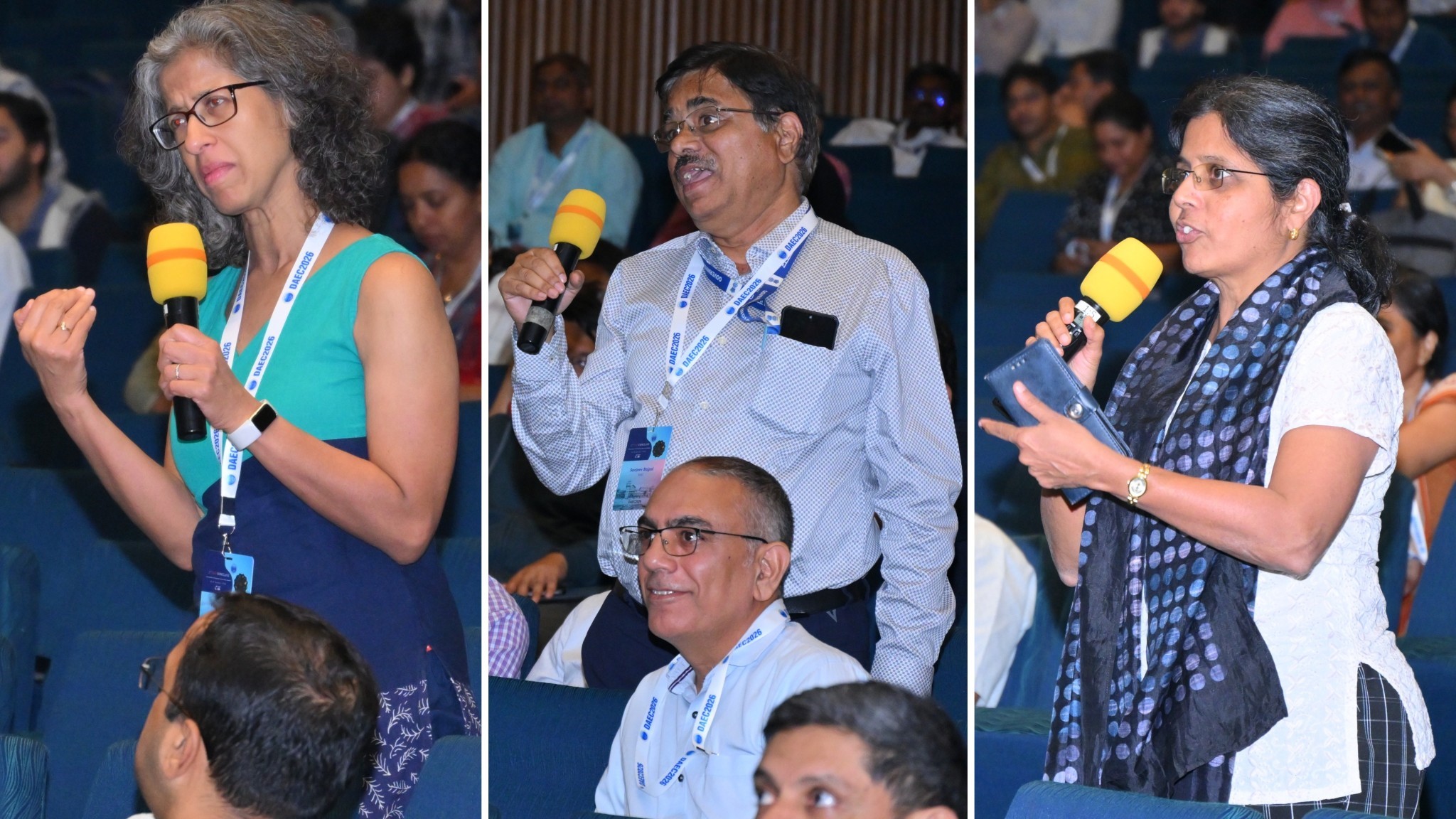
The DAEC2026 featured deliberations across a wide spectrum of themes, including energy security and next-generation nuclear reactors, isotope production, quantum technologies, advanced materials, fusion research, laser-driven particle accelerators, and healthcare applications of nuclear science. It also highlighted India’s growing engagement with mega-science frontiers, such as gravitational-wave astronomy, dark matter research, multi-messenger astronomy, and particle collider-based explorations along with the important contributions to ecology research and science education initiatives.
Dr. Anil Kakodkar, Member, Atomic Energy Commission, emphasized that sustained investment in basic science, mega-science facilities and human resource development is necessary to maintain long-term technological leadership.
Addressing the audience, Dr. Ravi Bhushan Grover, Member, Atomic Energy Commission, underscored that strengthened institutional collaboration and purposeful outreach are vital for ensuring that advances in nuclear science and frontier technologies effectively address societal needs and support inclusive growth.
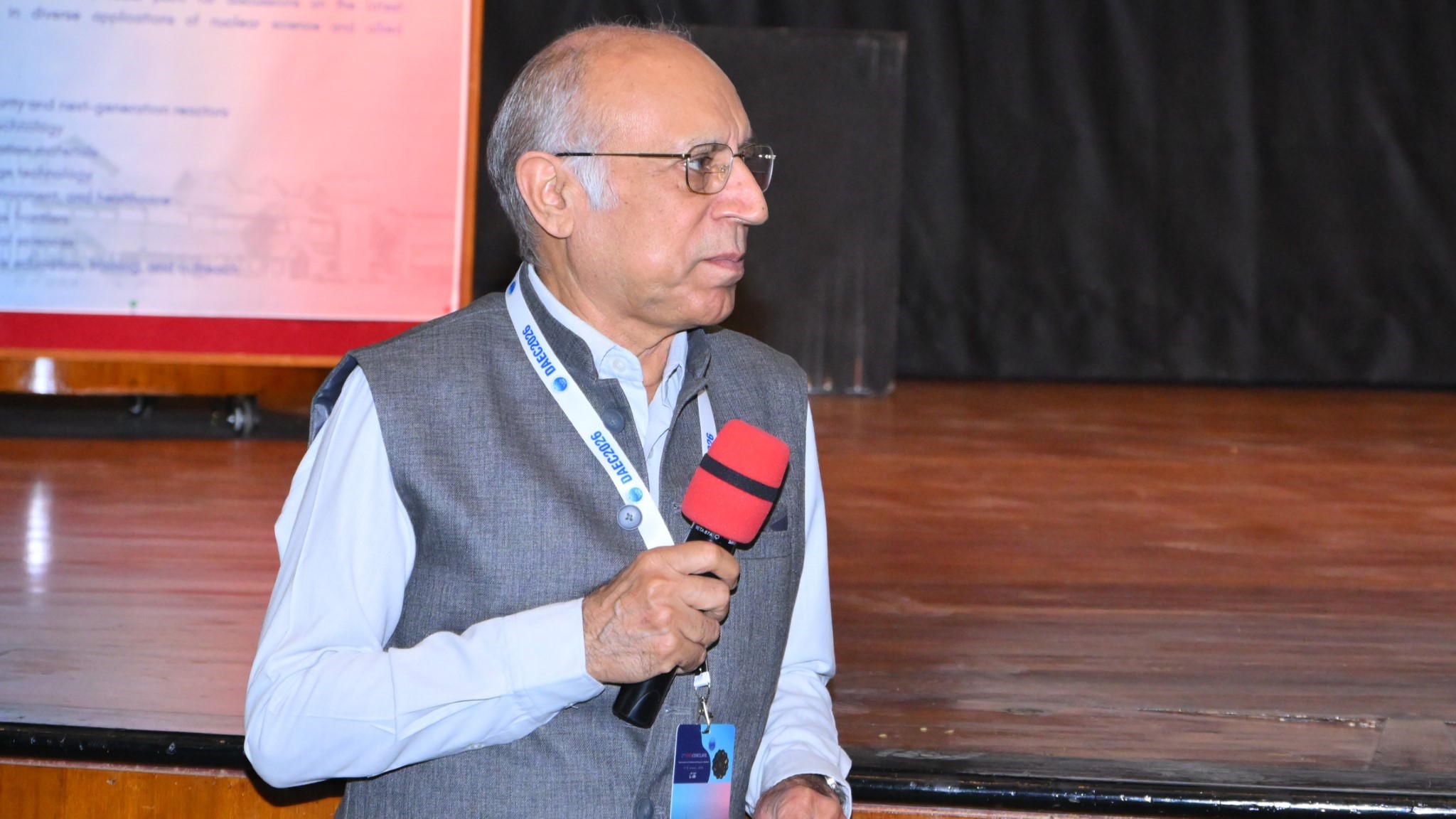
Speaking on various fora during the DAEC2026, Dr. Ajit Kumar Mohanty, Secretary, Department of Atomic Energy and Chairman, Atomic Energy Commission, emphasised the importance of integrated scientific efforts in addressing India’s long-term challenges in energy security, healthcare and sustainability through nuclear science and technology. He also highlighted the need to continuously engage students, young researchers and professionals, keeping them abreast of emerging trends in indigenous R&D and industry.
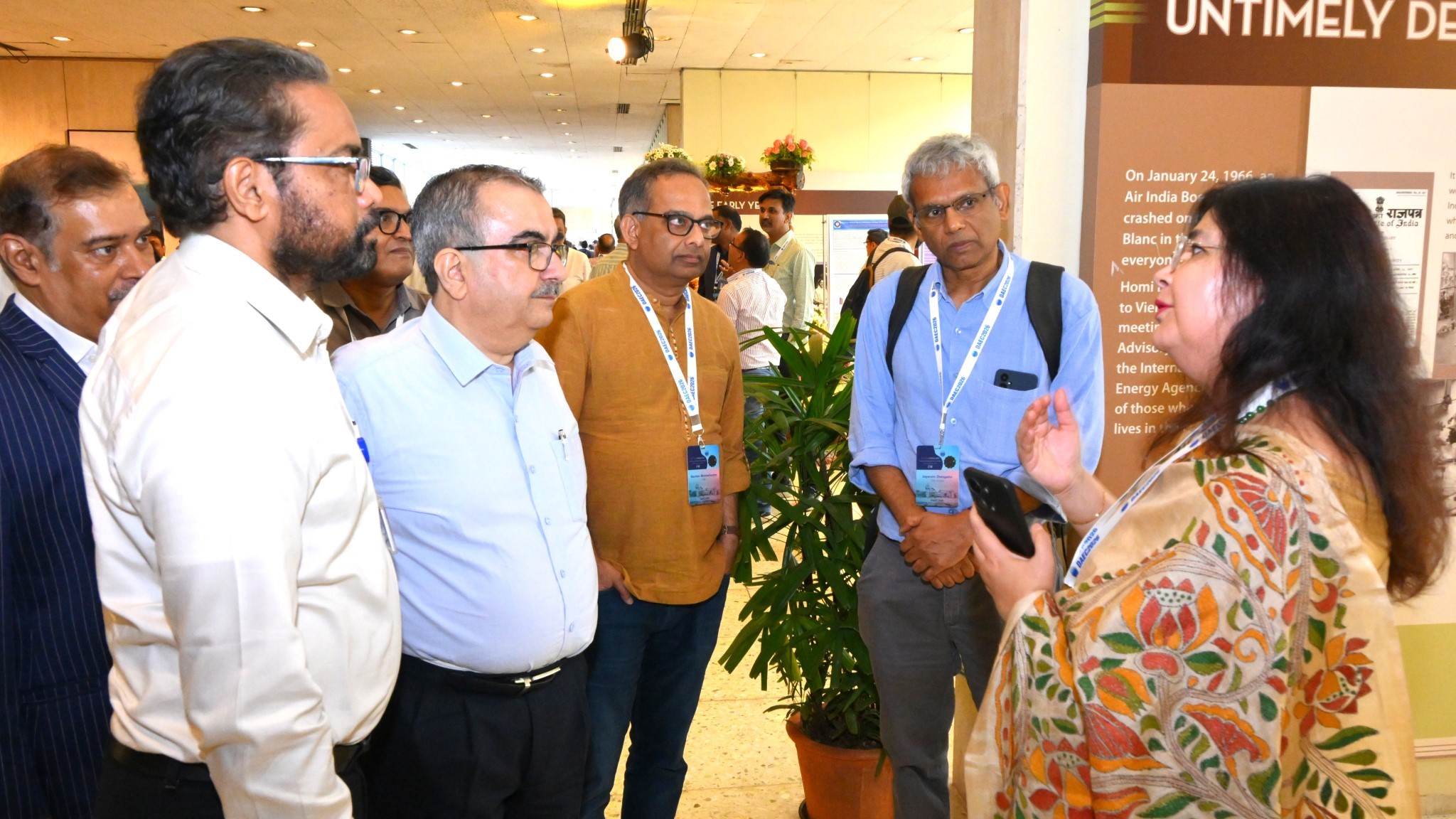
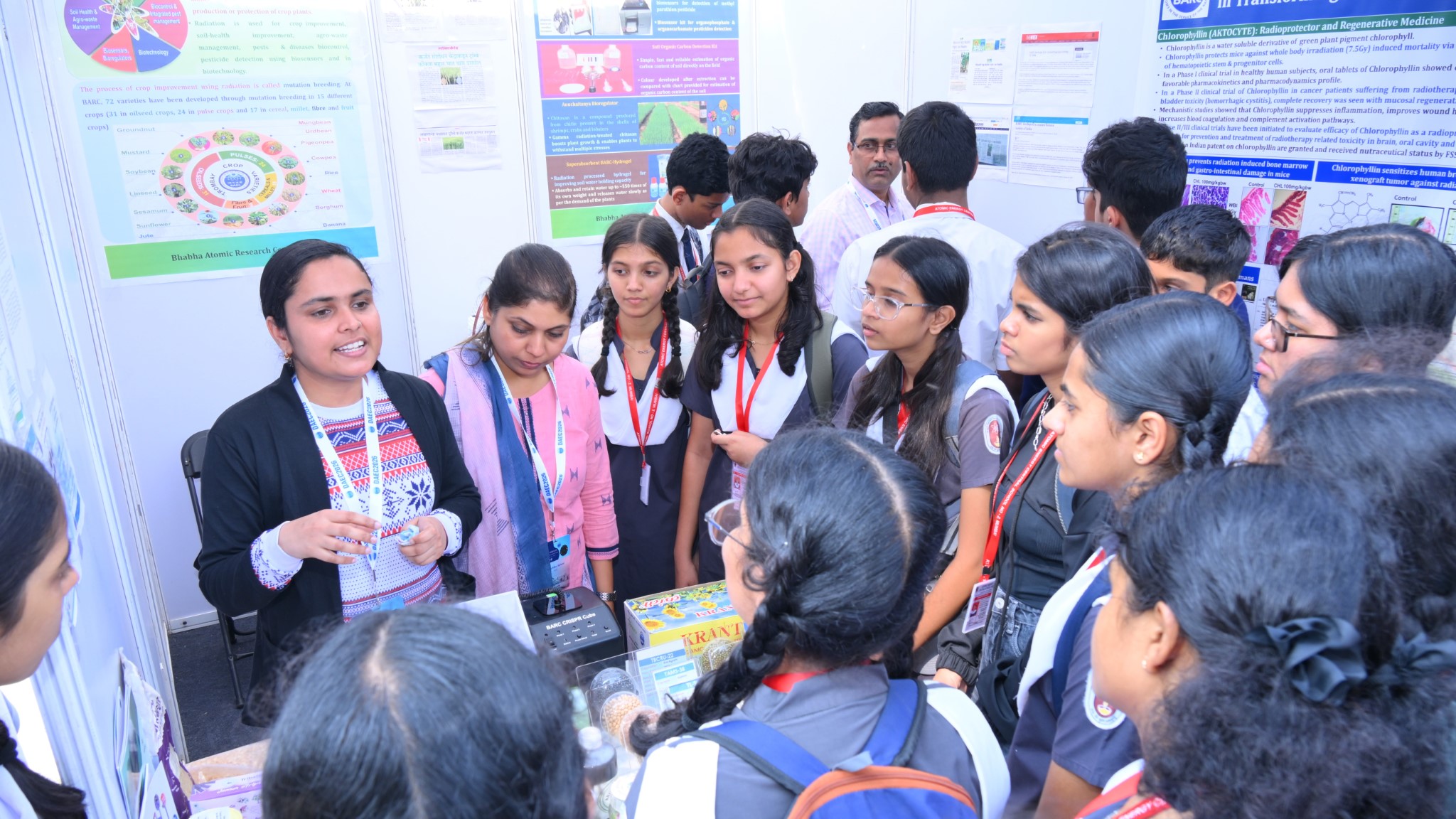
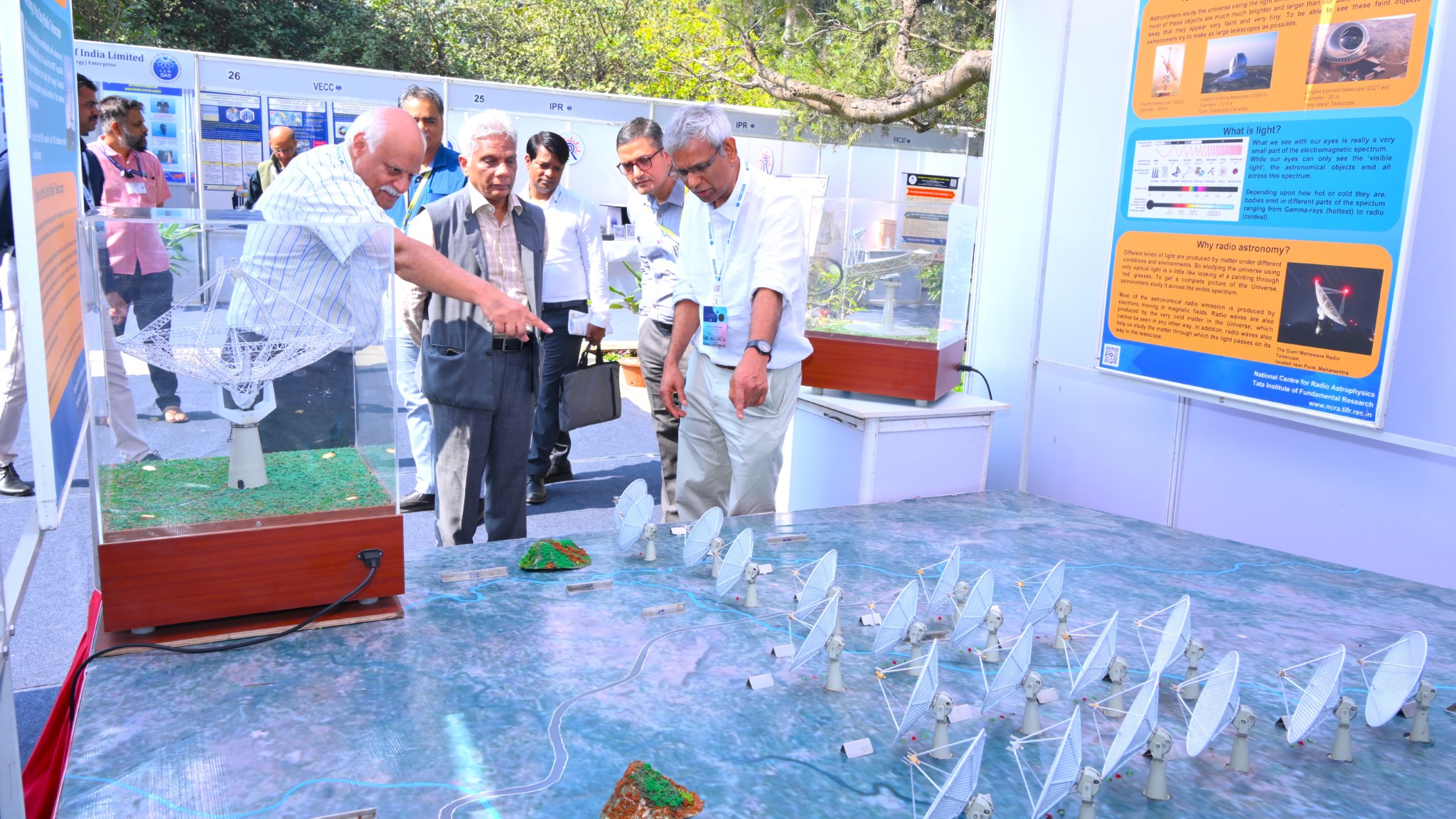
The Conclave hosted panel discussions on hydrogen production and storage technologies and Artificial Intelligence & Machine Learning, focusing on emerging solutions critical to India’s clean energy transition, digital transformation, and technologies for Viksit Bharat. A major highlight of the DAEC2026 was the Exhibition and Poster Sessions, featuring live demonstrations of technologies, scaled-down models and explainers of key DAE installations, and research poster presentations facilitated by domain experts which brought advanced science & technology closer to audiences. The innovative solutions highlighted the societal and industrial impact of DAE technologies, reinforcing the role of technology in strengthening AtmaNirbhar Bharat.
Delegates were hosted to guided art and garden tours, science-themed cultural presentations, and visits to research laboratories of TIFR, offering close engagement with the preserved rich scientific legacy of TIFR. These experiences were well received as meaningful learning opportunities beyond formal sessions, fostering informal interaction and deeper institutional connection. Outreach activities, including interactions with school students, reflected DAE’s holistic approach to science, technology and society.
* * *
PIB Mumbai | Sriyanka Chatterjee/Nitin Fulluke/Darshana Rane
Follow us on social media:
@PIBMumbai  /PIBMumbai
  /pibmumbai
  pibmumbai[at]gmail[dot]com
  /PIBMumbai
  /pibmumbai
(Release ID: 2219199)
Visitor Counter : 336