PIB Backgrounder
Bharat Parv 2026
A Living Tapestry of India’s Heritage
Posted On:
31 JAN 2026 4:10PM by PIB Delhi
Culture at the Heart of the Republic
As the echoes of India's 77th Republic Day parade fade into the crisp January air, the historic Red Fort in Delhi transformed into a living canvas of the nation's soul.
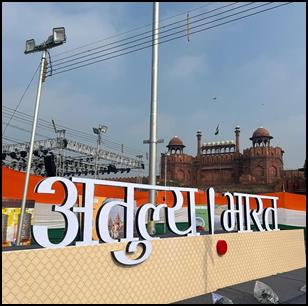
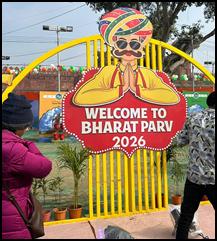
Bharat Parv 2026, the six-day national cultural and tourism festival organised by the Ministry of Tourism, kicked off on January 26 and went on until January 31. Organised annually since 2016, the event invites visitors to immerse themselves in the kaleidoscope of India's diverse heritage.
Bharat Parv is held at the Lawns and Gyan Path in front of the Red Fort, New Delhi, as part of the Republic Day celebrations. The event celebrates India’s rich cultural, artistic, culinary and spiritual heritage while promoting the national initiatives: “Ek Bharat, Shreshtha Bharat” and “Dekho Apna Desh.” Over the years, the festival has evolved into a major platform showcasing India’s unity in diversity and tourism potential.
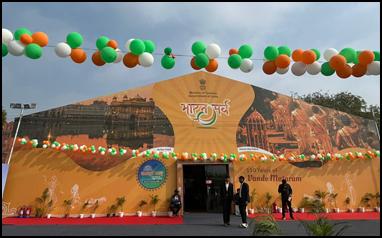
150 Years of Vande Mataram
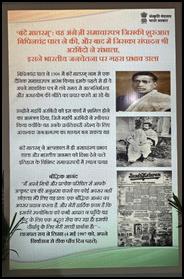
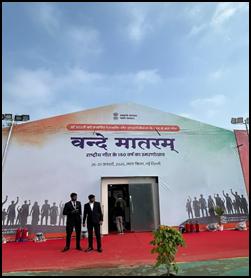
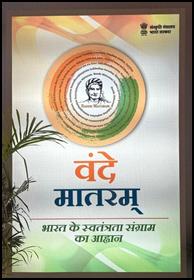
This year's edition of Bharat Parv carried special resonance. It marked not just another Republic Day celebration, but the 150th anniversary of "Vande Mataram" which translates to “Mother, I Bow to Thee”.
Composed by Bankim Chandra Chatterjee, 'Vande Mataram' was first published in the literary journal ‘Bangadarshan’ on 7th November 1875. It was later incorporated into his immortal novel ‘Anandamath’, published in 1882, and was subsequently set to music by Rabindranath Tagore.
The theme reflects the revolutionary spirit that birthed modern India and the constitutional spirit of unity in diversity and people’s participation.
Walking Through India, One Pavilion at a Time
Across the festival grounds, India’s diversity emerged in layered, concentric experiences.
Republic Day Tableaux: Stories in Motion
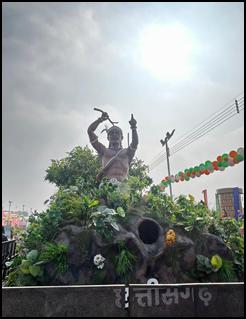
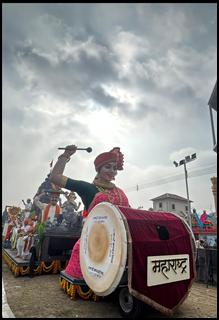
A major attraction was the display of 41 Republic Day tableaux, offering visitors a closer look at the visual narratives that rolled down Kartavya Path on 26th January.
Representing States, Union Territories and Central Ministries, the tableaux depicted themes ranging from cultural heritage and environmental consciousness to innovation and social progress. Viewed up close, they revealed layers of craftsmanship and symbolism.
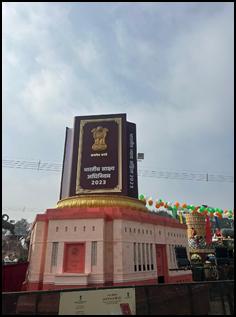
Cultural Performances: Tradition on Stage
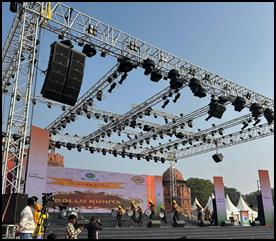
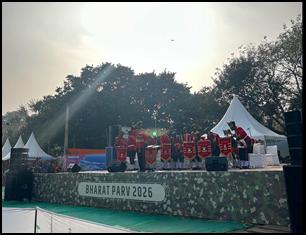
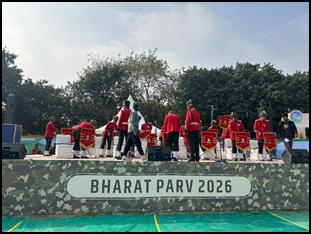
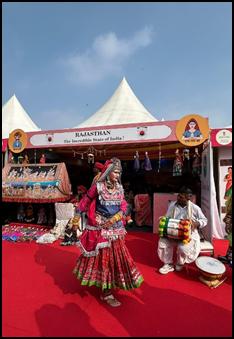
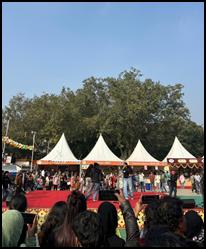
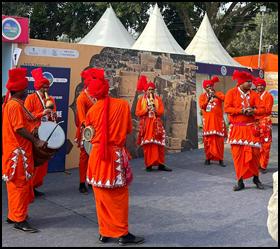
Across multiple stages, 48 cultural performances brought folk and classical traditions alive. Dance forms, musical ensembles and theatrical presentations by State troupes, cultural academies and renowned artists ensured that every evening resonated with rhythm and colour.
Complementing these were 22 performances by the Indian Armed Forces and paramilitary bands, whose music added a stirring patriotic spirit to the atmosphere.
The Taste of the Regions
No journey through India is complete without its food, and Bharat Parv’s grand food court served as a culinary atlas of the nation. With over 60 stalls, the space showcased regional cuisines prepared using traditional methods and local ingredients, often with live cooking demonstrations. From millet-based dishes and tribal food traditions to well-known regional favourites, the food section reflected how geography, climate and culture shape India’s diverse culinary landscape.
For visitors, the experience went beyond mere consumption, it became a lesson in culinary heritage, sustainability and regional identity.
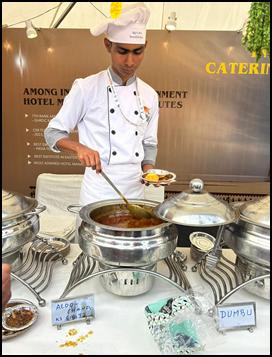
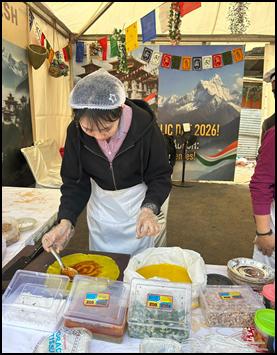
When France Met Jharkhand at Red Fort
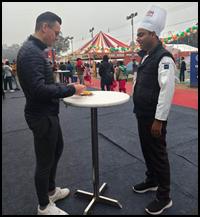
Bharat Parv's promise of cultural exchange came alive when a French visitor discovered Jharkhand's cuisine for the first time.
The guest savoured traditional dishes like Dhuska and Aalo Chana, prepared by students from the Institute of Hotel Management, Ranchi, under Chef Hare Krishna Chaudhary's guidance.
"The taste, simplicity, and uniqueness" struck a chord with the visitor, who noted the cuisine's strong connection to local culture and sustainable food practices.
The stall offered a culinary journey through Jharkhand’s rich food heritage, rooted in tribal traditions, rural practices, and sustainable, millet-based cuisine.
Craft, Cloth and Community
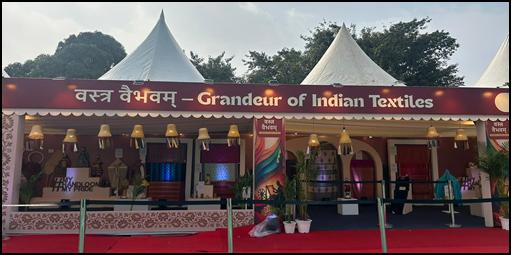
Equally compelling was the expansive handicrafts and handloom bazaar, featuring over 102 stalls curated by States, Central Ministries, DC Handicrafts, DC Handlooms, and TRIFED. Here, visitors encountered handwoven textiles, metalwork, woodcraft, paintings and jewellery—each carrying generations of skill and cultural memory.
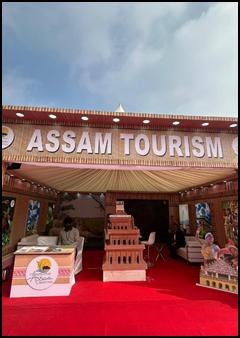
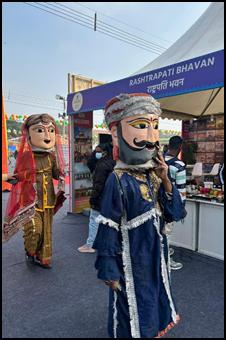
Alongside this, 34 State and Union Territory tourism pavilions and 24 Central Ministry stalls showcased regional destinations, cultural circuits and public initiatives. These spaces blended storytelling with outreach, offering visitors insights into India’s diverse landscapes and governance efforts through interactive and visual displays.
Culture That Invites Participation
Bharat Parv is designed to be interactive and this year’s edition encouraged active participation from visitors across age groups. Children’s zones, cultural quizzes, nukkad nataks (street plays) and participatory activities ensure that visitors were not passive observers. Instead, they engaged with culture as something lived and shared, an approach that aligned with the festival’s larger goal of fostering cultural awareness across generations.
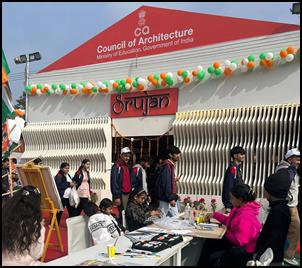
Digital exhibits and curated galleries also bridged the gap between tradition and technology, making heritage accessible to younger audiences without diluting its depth.
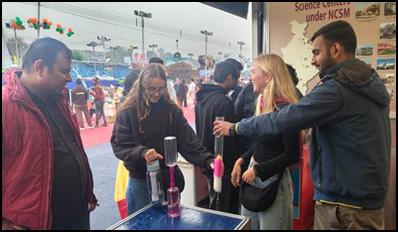
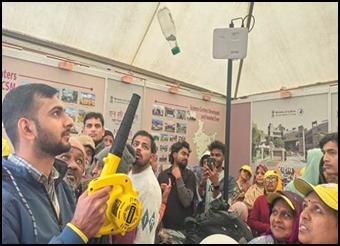
At Bharat Parv 2026, the Rural Health Training Centre, Najafgarh, engaged visitors with CPR demonstrations, Ayurvedic and preventive health consultations, quizzes and a “Know Your ASHAs” corner, promoting public health awareness. Meanwhile, the National Science Centre’s interactive science exhibition drew crowds with hands-on experiments and digital displays, making science accessible and engaging.
Voices from the Ground
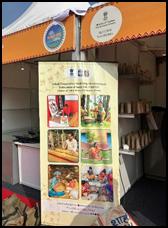
At a stall supported by TRIFED, Riksrang D. Momin, 26, stood quietly but confidently behind his display. From Tura in the West Garo Hills district of Meghalaya, he represented a new generation of tribal entrepreneurs carrying forward practices rooted in community knowledge.
Momin said, tea is not just a product, it is part of everyday life in Meghalaya’s tribal communities, shaped by forest traditions and collective labour. Participation in the Bharat Parv offered him something rarely accessible at home: visibility.
Platforms like this allow young, marginalised voices from remote regions to step into national spaces, tell their own stories, and find dignity and opportunity in heritage-based livelihoods.
Jacob Moeller, a 59-year-old cardiologist from Denmark, encountered the festival almost by chance. Having arrived in India barely eight hours earlier, he walked into Old Delhi to see the Red Fort and found himself amid the rhythms of Bharat Parv.
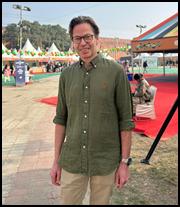
Coming from what he described as “a very, very small country,” the scale of the festival felt overwhelming, but in a positive way. The performances at the main stage caught his attention first.
Looking forward to exploring the food stalls, he absorbed the diversity around him with curiosity and appreciation.
For Aryan Karan Singh, 26, a resident of Delhi, Bharat Parv offered something both familiar and entirely new. He discovered the festival through Instagram, but walking into the grounds of the Red Fort transformed curiosity into awe. Despite living in the capital all his life, Aryan said the festival allowed him to experience the cultures of multiple States in a single space, something he had never encountered so vividly before.
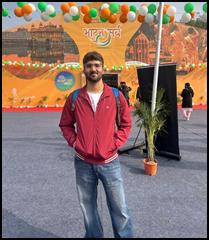
What struck him most was the display of the Republic Day tableaux. “I have never seen the parade on 26th January,” he said, “but here, seeing the tableaux against the Red Fort makes me feel deeply patriotic.” The experience was as sensory as it was emotional, as he relished laphing and filter coffee at the state stalls and found himself celebrating India’s diversity not as an abstract idea, but as something tangible.
A Festival That Reflects the Republic
At its core, the annual Bharat Parv is a reminder that India’s strength lies not only in its institutions, but in its people and their traditions. Against the backdrop of the Red Fort—a monument synonymous with freedom and democracy, the festival becomes a living expression of the Republic itself.
Bharat Parv offers the visitors an opportunity to walk through the idea of India, to listen to its many voices, and to leave with a renewed sense of connection to the country’s shared cultural inheritance.
The closing ceremony, held on 31 January 2026, marked a fitting culmination, with the Vice President of India gracing the occasion as Chief Guest, underscoring the national importance of the platform.
As Bharat Parv 2026 concluded, it left visitors with more than memories, offering a deeper connection to the idea of India, shaped by many voices, traditions and collective pride.
References
https://www.pib.gov.in/PressReleasePage.aspx?PRID=2218525®=3&lang=1
https://www.pib.gov.in/PressReleasePage.aspx?PRID=2218957®=3&lang=1
https://www.pib.gov.in/PressReleasePage.aspx?PRID=2219507®=3&lang=1
https://www.pib.gov.in/PressReleasePage.aspx?PRID=2219961®=3&lang=1
https://static.pib.gov.in/WriteReadData/specificdocs/documents/2025/nov/doc2025116686201.pdf
Click here to see in PDF
PIB Research
(Release ID: 2221235)
Visitor Counter : 2792