Ministry of Information & Broadcasting
Climate Change Adding to Malnutrition Woes in Maharashtra
UNICEF Appeals for Maternal Nutrition Priorities
Posted On:
25 MAR 2026 5:02PM by PIB Mumbai
Nagpur, 25 March 2026
UNICEF now recognises climate change as a key structural driver of all forms of malnutrition. Climate shocks affect nutrition through multiple pathways. Also, rising food prices reduce dietary diversity. These impacts are also seen in Maharashtra, where droughts, heat stress and agrarian distress disproportionately affect pregnant women in tribal areas, urban informal settlements and climate-impacted farming districts.
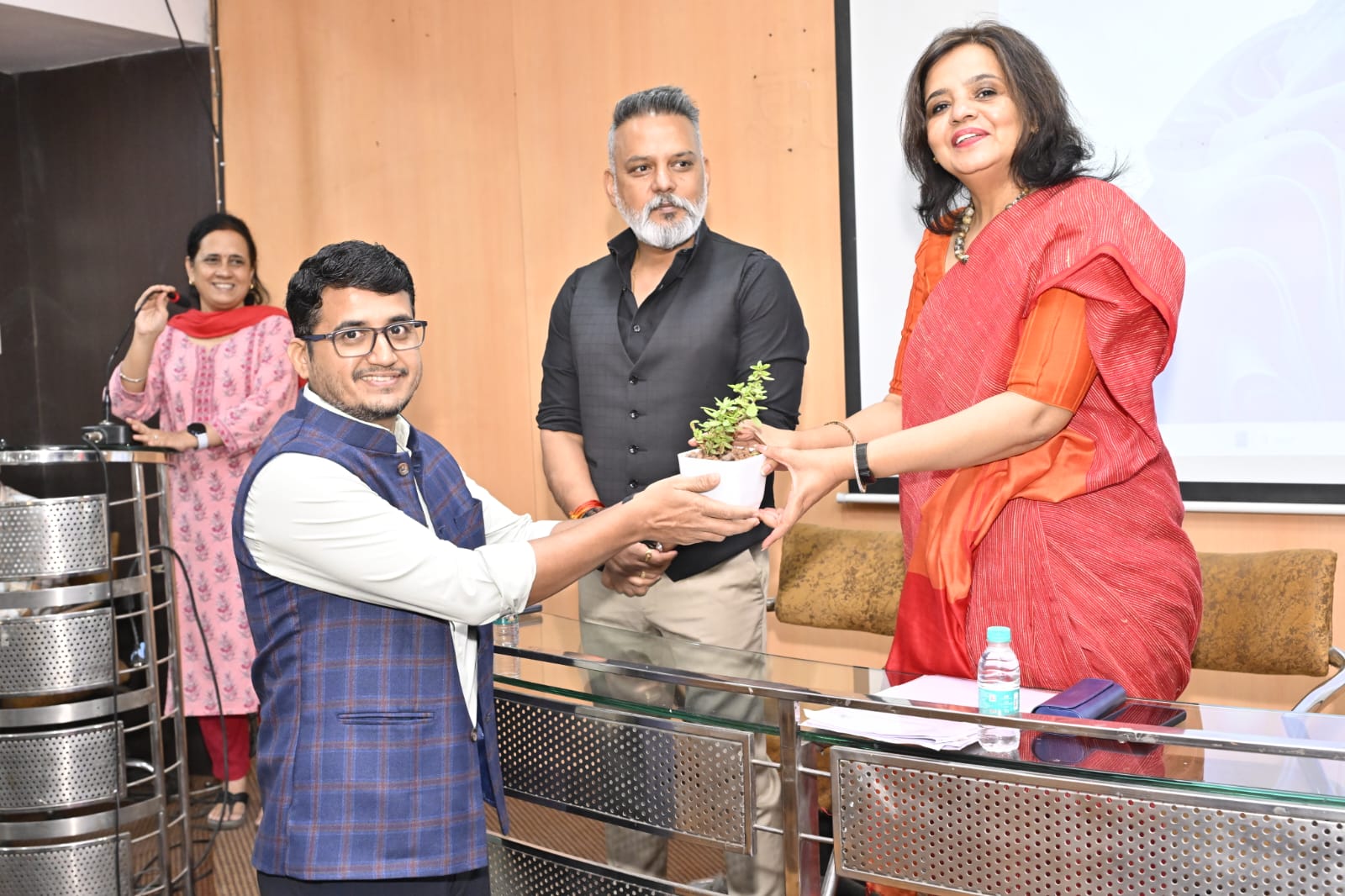
A discussion took place at a capacity-building workshop organised by UNICEF India and the Press Information Bureau on Maternal Nutrition Priorities and Inclusive Early Childhood Development on March 25, 2026. The finding is a concern as the calamities affect pregnant women precisely during the critical window of fetal and early brain development.
This lack of nutrition in early childhood development affects fetuses for lifelong diseases, including diabetes, hypertension and cardiovascular conditions. “When a pregnant woman faces food insecurity, heat stress or physically demanding labour, it's not just her health at risk; it's the lifelong health trajectory of her child at risk," Dr Mrudula Phadke, Former VC, Maharashtra University of Health Sciences, Senior Advisor to the Govt of Maharashtra and UNICEF said.
CAF8.jpeg)
Early nutrition and caregiving also shape brain development. “Evidence from Maharashtra reinforces that nutrition, ECD, climate vulnerability and non-communicable diseases (NCDs) are part of a single, interconnected pathway, beginning before conception and accelerating in the first 1,000 days,” Dr Subodh S Gupta, MD (Pediatrics), DNB (Maternal & Child Health); DNB (Preventive & Social Medicine) Professor & Head Department of Community Medicine MGIMS, Sewagram said.
The fetal and early infancy period is when the body’s metabolism is “programmed.” Poor nutrition during this phase increases susceptibility to obesity, insulin resistance and type 2 diabetes, hypertension and cardiovascular disease and mental health later in life.
Childhood non-communicable diseases (NCDs) are fast becoming a silent emergency in Maharashtra, affecting over six million children across the state. Conditions once considered adult illnesses, such as diabetes, asthma, congenital heart disease, sickle cell disease, and obesity. These are now affecting children in growing numbers.
This can be prevented with simple interventions at the early stage. Maharashtra’s experience demonstrates that preventing early growth failure protects child survival and brain development, reduces future NCD risk and builds human capital resilience in climate-vulnerable communities. It delivers long-term cost avoidance by lowering future health system and productivity losses.
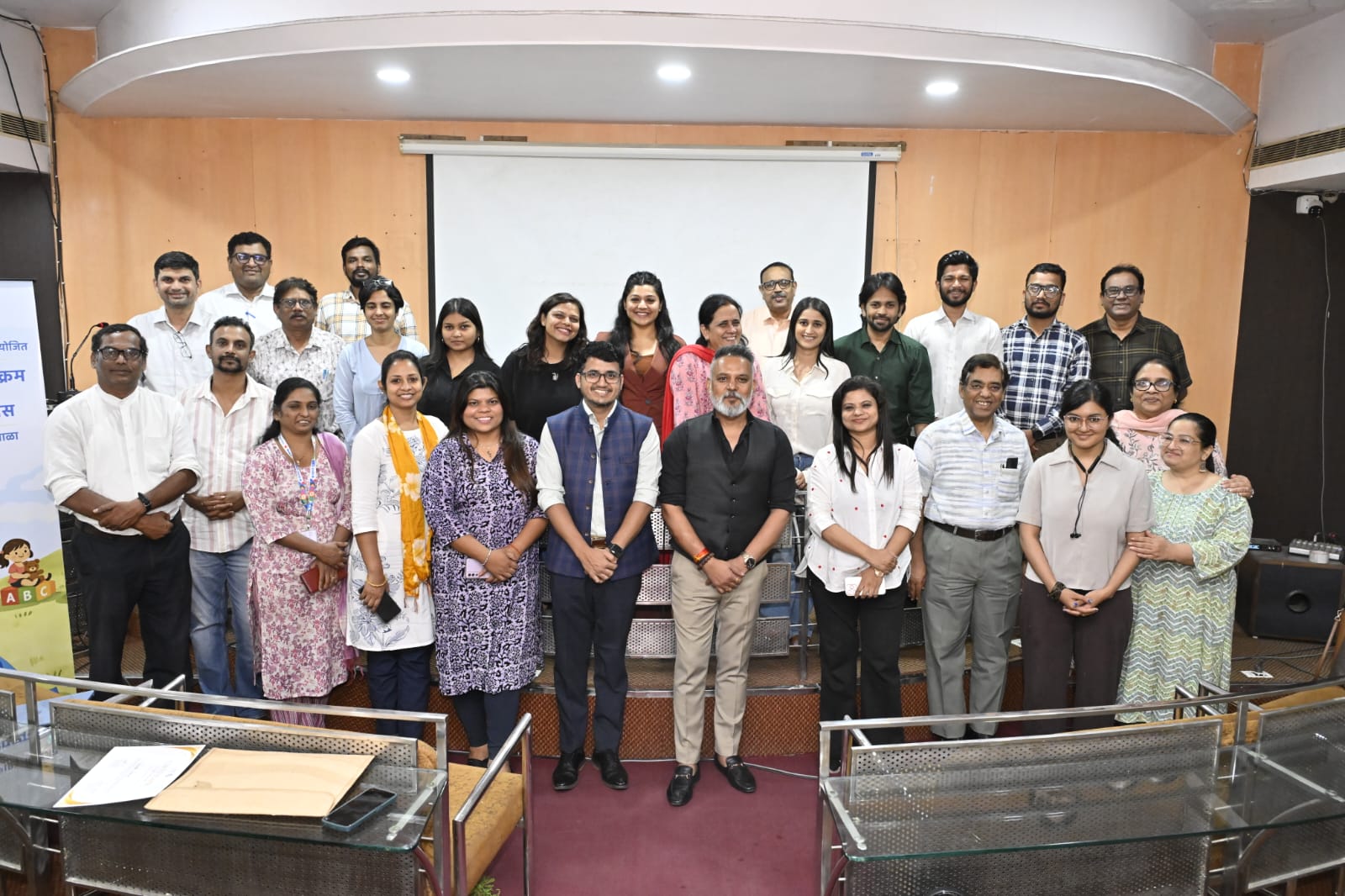
"Protecting maternal and child nutrition is one of the most effective climate adaptation strategies we have. The evidence is clear: interventions that strengthen maternal nutrition and reduce environmental stress during pregnancy offer one of the most cost-effective pathways to break intergenerational cycles of malnutrition and vulnerability,” Sanjay Singh, Chief of UNICEF Maharashtra, said.
“Today's workshop marks a commitment to translate this evidence into action. It reiterates the commitment of the Government of India to ensure that every pregnant woman in the country, especially in our climate-vulnerable tribal and rural communities, receives the nutrition, care and protection she needs to give her child the healthiest possible start in life," Ms Smita Vats-Sharma, DG West Zone, PIB said.
Contact Details:
Swati Mohapatra
Communication Specialist,
UNICEF Maharashtra
smohapatra@unicef.org
Jaydevi Pujari
Deputy Director, PIB
pibmumbai[at]gmail[dot]com
* * *
PIB Nagpur | Dhananjay Wankhede/Darshana Rane
Follow us on social media:
@PIBMumbai  /PIBMumbai
  /pibmumbai
  pibmumbai[at]gmail[dot]com
  /PIBMumbai
  /pibmumbai
(Release ID: 2245168)
Visitor Counter : 279