Ministry of Earth Sciences
IITM Inaugurates X-Band Doppler Weather Radar at Mahabaleshwar; Signs MoU with ISRO’s SAC under Mission Mausam
Posted On:
26 APR 2026 1:37PM by PIB Mumbai
: Mumbai, 26th April 2026
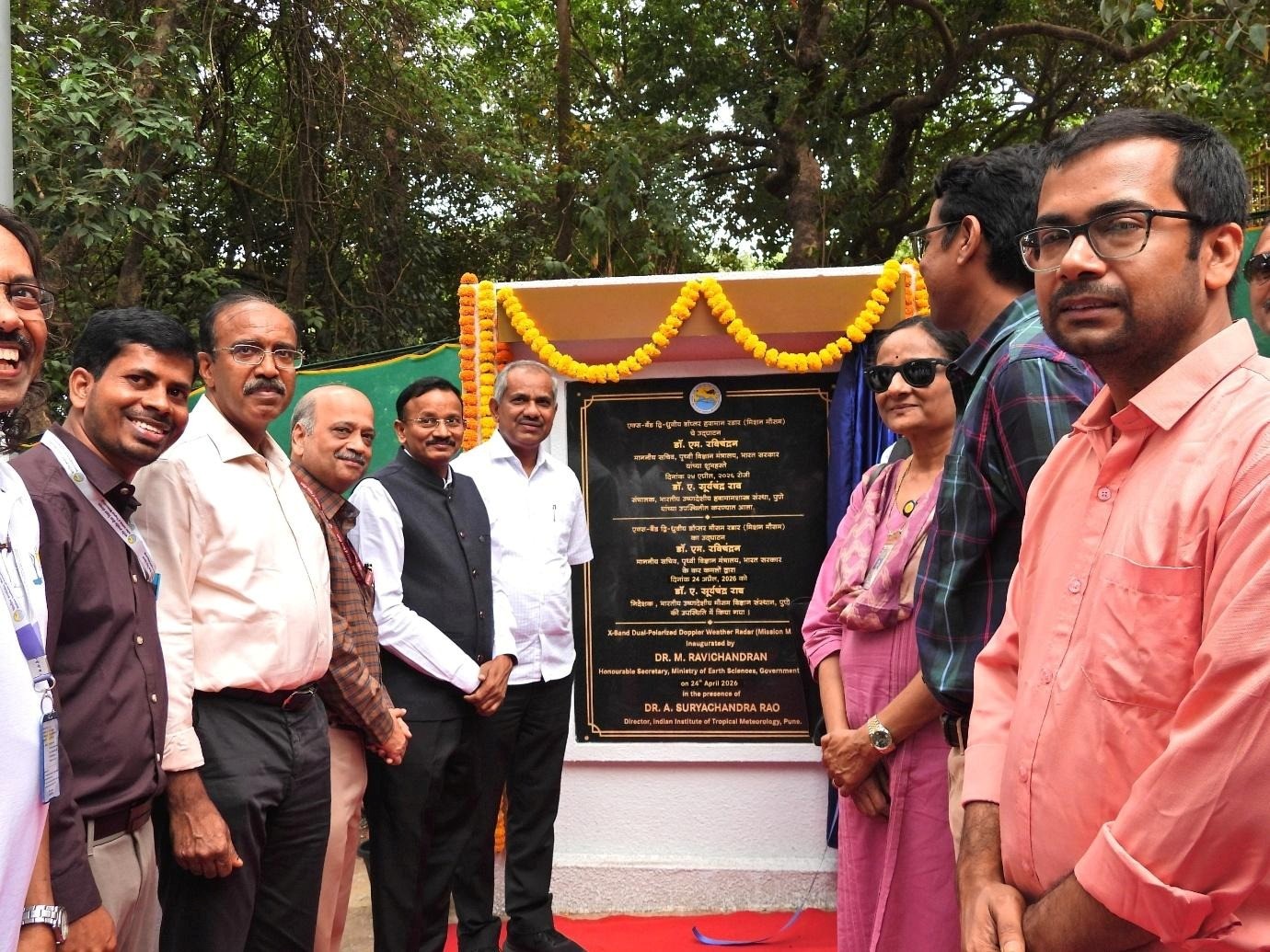
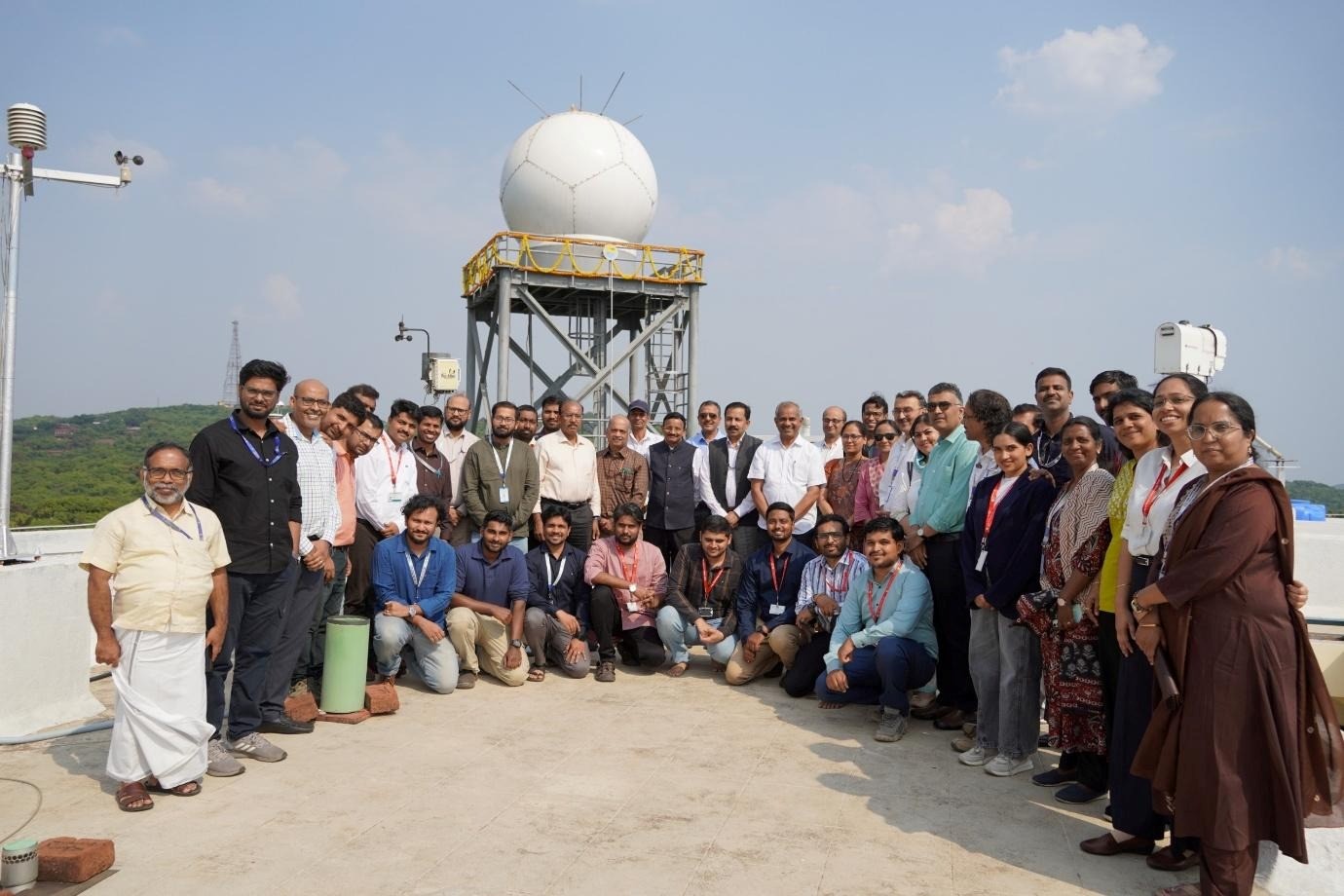
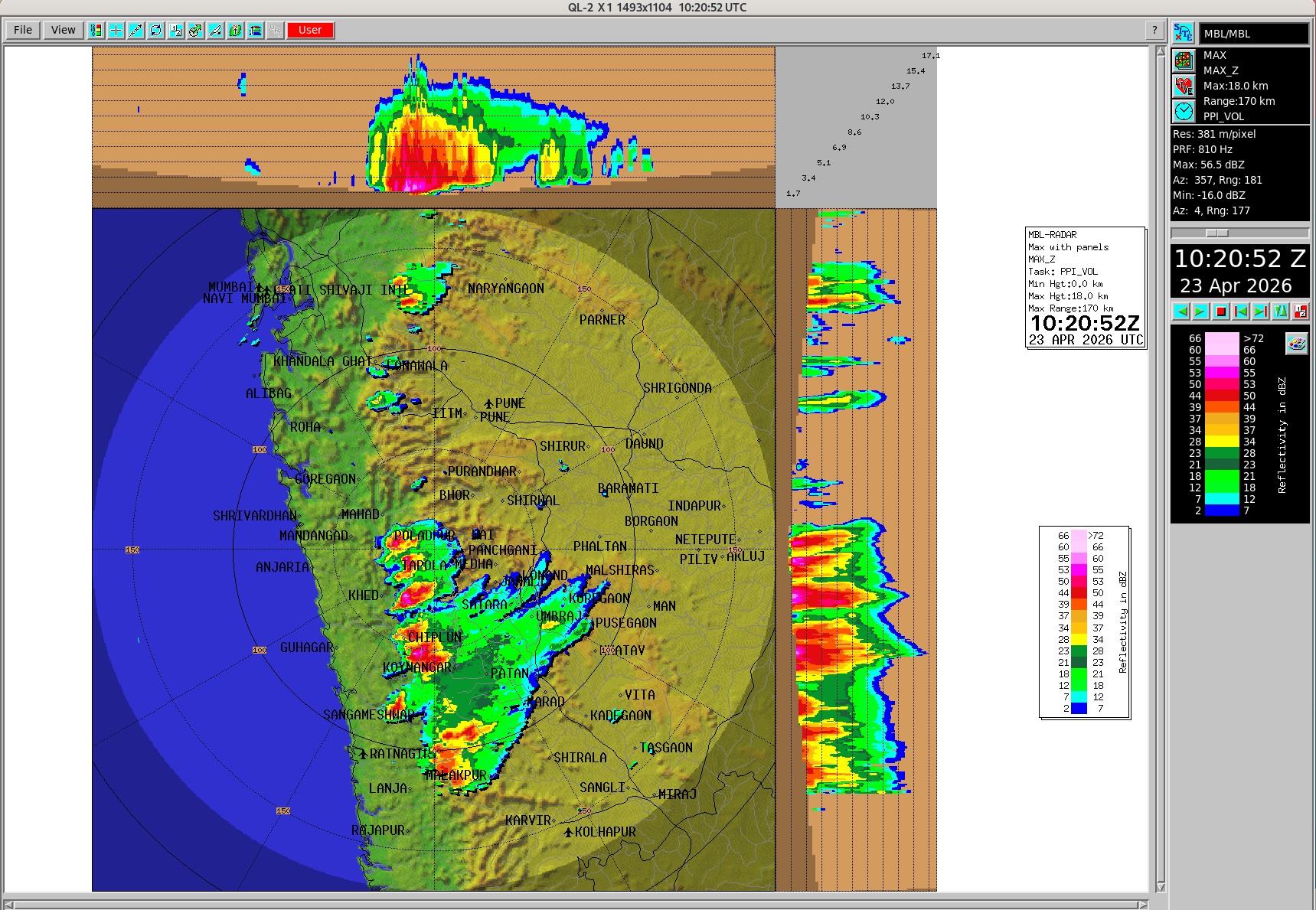
The Indian Institute of Tropical Meteorology (IITM), Pune, under the Ministry of Earth Sciences (MoES), inaugurated a state-of-the-art X-band Dual-Polarization Doppler Weather Radar at the High Altitude Cloud Physics Laboratory (HACPL), Mahabaleshwar, under Mission Mausam on April 24, 2026. The system was inaugurated by M. Ravichandran in the presence of A. Suryachandra Rao and Somya S. Sarkar, along with senior scientists from IITM and Indian Space Research Organisation.
Strategically installed at an altitude of approximately 1400 metres above mean sea level in the Western Ghats, the radar will function as a “weather eye in the sky,” continuously scanning the atmosphere to track rainfall, clouds, and storm systems in real time. It will play a crucial role in monitoring rapidly changing local weather conditions in Mahabaleshwar, a region known for sudden rainfall, fog, and strong winds. The system is uniquely positioned to study orographic rainfall, monsoon dynamics, and deep convective processes over complex terrain.
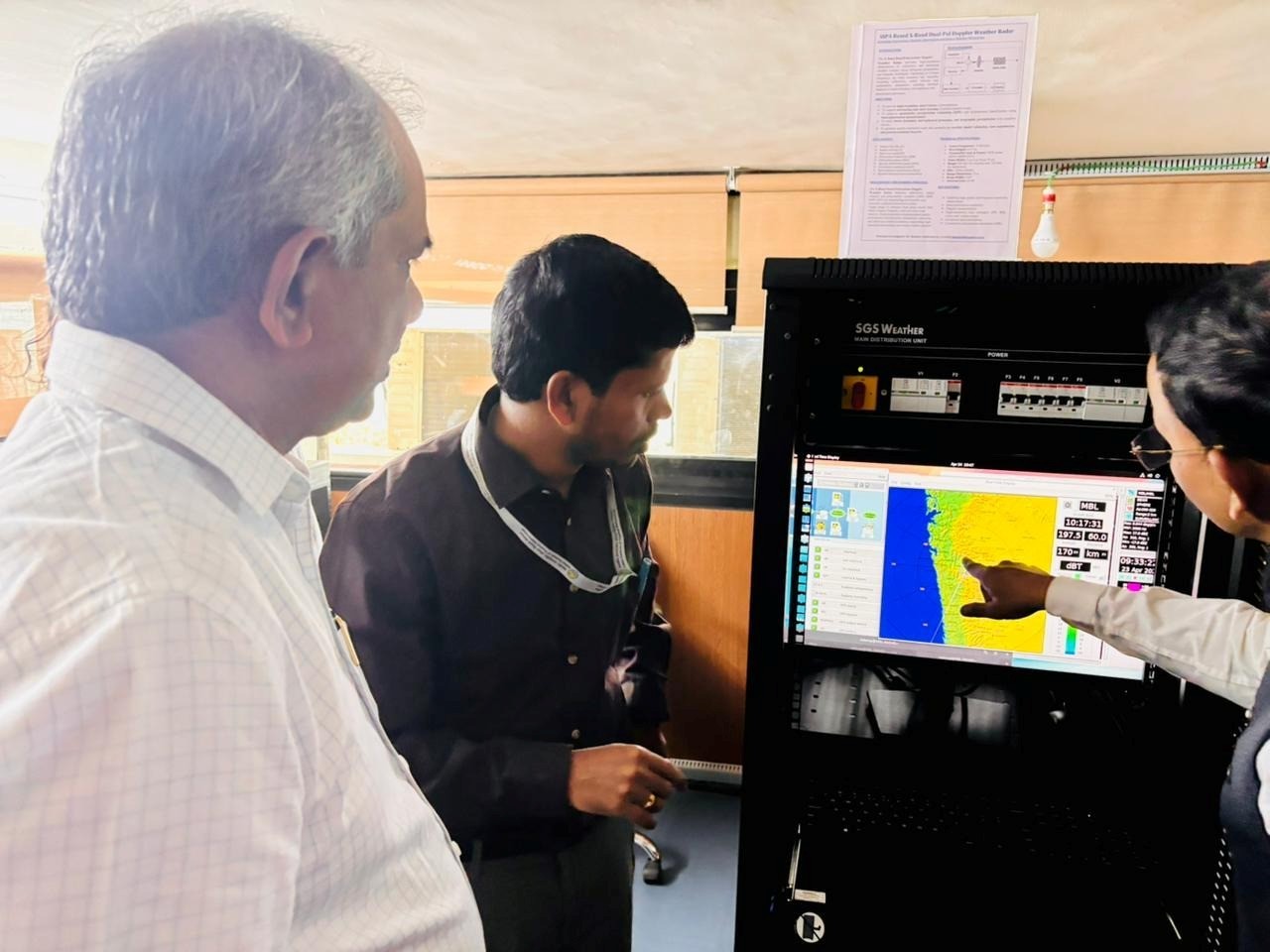
The radar enhances nowcasting capabilities of up to three hours over Satara, Pune, and parts of the Konkan and Mumbai regions. Operating at 9.45 GHz with solid-state power amplifier technology, it offers high reliability, low maintenance, and energy-efficient continuous operations. Its dual-polarization capability provides detailed insights into cloud microphysics, including precipitation characteristics, drop size distribution, and storm structure. With high spatial resolution and rapid update cycles, it supports improved quantitative precipitation estimation and hydrometeor classification.
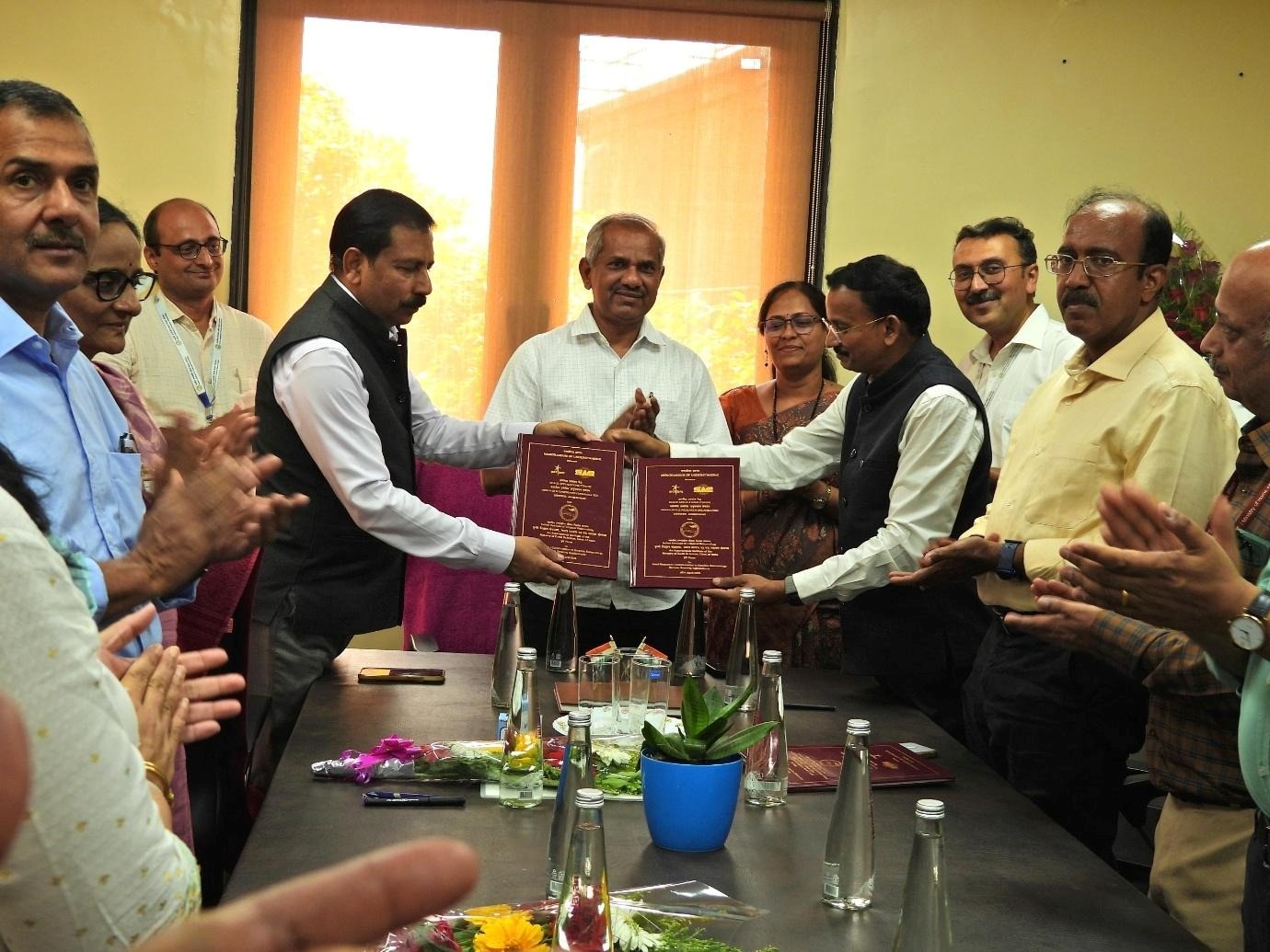
On the occasion, a Memorandum of Understanding (MoU) was also signed between IITM and the Space Applications Centre (SAC) of ISRO to co-develop advanced satellite-based meteorological products. The collaboration will focus on integrating satellite and ground-based observations, improving atmospheric and aerosol data validation, enhancing prediction accuracy, and advancing research in areas such as deep convection, lightning, and climate change impacts. It will also support capacity building and training in satellite meteorology.
Addressing the gathering, Dr. M. Ravichandran emphasised that the radar represents a major advancement in strengthening early warning systems over ecologically sensitive and tourist-intensive regions. He highlighted its importance in improving timely alerts for extreme weather conditions and enhancing safety for local communities and visitors. Director IITM, Dr. A. Suryachandra Rao, noted that the radar will significantly enhance nowcasting capabilities and contribute to improving weather and climate models. Director SAC–ISRO, Shri Somya S. Sarkar, highlighted that the collaboration will strengthen India’s weather observation systems by combining satellite and ground-based technologies.
Scientifically, the system will enable detailed research on rainfall processes, vertical storm structure, and extreme weather events. Operationally, it will support early warning systems for floods and landslides, aviation safety, disaster management, agricultural advisories, and water resource planning, thereby strengthening impact-based forecasting and climate resilience in the region. This initiative marks a significant step in advancing weather science, improving forecasting accuracy, and building resilience to extreme weather events in India.
PIB Mumbai | Edgar Coelho/Priti Malandkar
Follow us on social media: @PIBMumbai
  /PIBMumbai
  /pibmumbai
  pibmumbai[at]gmail[dot]com
  /PIBMumbai
  /pibmumbai
(Release ID: 2255652)
Visitor Counter : 856