Ministry of Health and Family Welfare
Union Ministry of Health and Family Welfare Launches Nationwide Fire Safety Week (4–10 May 2026)
Union Health Secretary Smt. Punya Salila Srivastava Leads Nationwide Pledge on “Fire Safety in Health Facilities”
Ministry of Health Unveils National Guidelines on Fire and Life Safety in Healthcare Facilities (2026), Strengthening Comprehensive Safety Frameworks Across Healthcare Institutions
New Guidelines Introduce Enhanced Protocols for High-Risk Areas Including ICUs, NICUs, PICUs, and Operation Theatres
Fire Safety Week to Feature Nationwide Audits, Mock Drills, Evacuation Exercises, Demonstrations, and Webinars to Strengthen Preparedness and Awareness
Posted On:
04 MAY 2026 12:56PM by PIB Delhi
Reinforcing its commitment to ensuring safe healthcare environments, the Union Ministry of Health and Family Welfare, in partnership with all States and Union Territories and in coordination with relevant Central Ministries and Departments, commenced the nationwide observance of Fire Safety Week from 4th May to 10th May 2026.
The observance was inaugurated with a nationwide pledge ceremony on the theme “Fire Safety in Health Facilities,” led by the Union Health Secretary, Smt. Punya Salila Srivastava, reaffirming the collective commitment of healthcare institutions and stakeholders towards strengthening fire prevention, preparedness, and response systems.
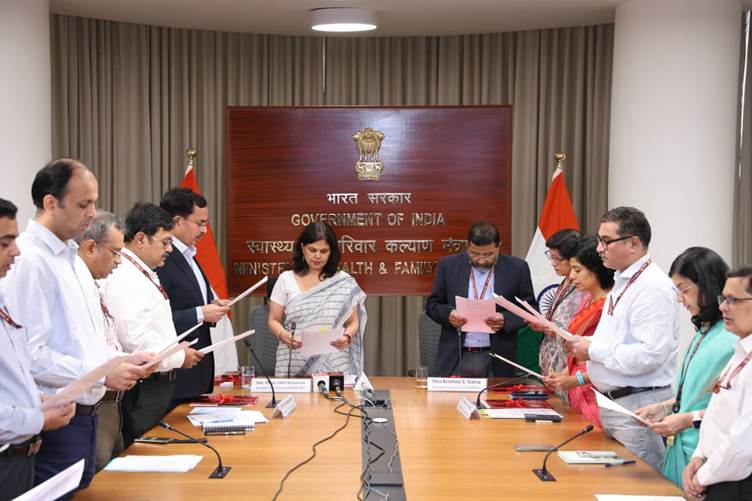
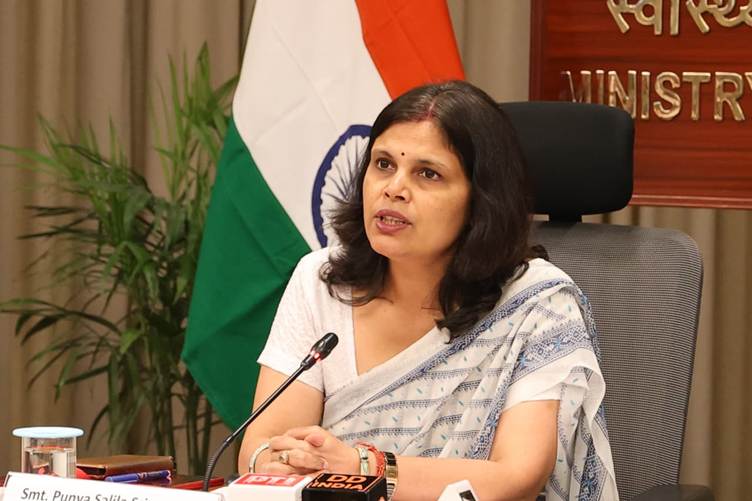
Addressing the occasion, the Union Health Secretary, Smt. Punya Salila Srivastava highlighted that the theme of this year’s Fire Safety Week —“Safe Schools, Safe Hospitals, and a Fire-Safety Aware Society: Together for Fire Prevention”, underscores that ensuring safety within our institutions is a shared and collective responsibility. She noted that Fire Safety Week provides an important opportunity to reassess existing infrastructure, evaluate whether facilities have been adequately audited, and identify gaps and discrepancies that need to be addressed. Emphasizing capacity building, she stressed that healthcare professionals must be adequately trained and sensitized to effectively respond to fire emergencies. She further urged all States and healthcare facilities to regularly upload fire safety audit details on the IHIP portal, noting that such practices would institutionalize compliance and serve as a continuous reminder for maintaining safety standards.
The Union Health Secretary also expressed satisfaction that over 50,000 participants have already completed the iGOT fire safety course, including several government institutions, and highlighted the importance of scaling up such efforts. She concluded by emphasizing that through Jan Bhagidari (people’s participation), a meaningful and sustained impact can be achieved in strengthening fire safety across the country.
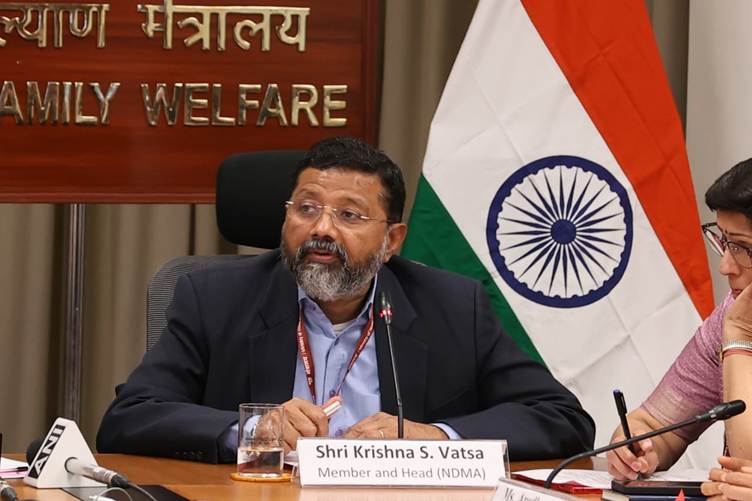
Addressing the occasion, Shri Krishna S. Vatsa, Member and Head, National Disaster Management Authority (NDMA), emphasized the need for a proactive, systems-based approach to fire safety in healthcare facilities. He underscored that a nationwide campaign must be undertaken to strengthen fire safety in hospitals and informed that NDMA is planning to organize five regional programmes, along with similar initiatives at the State and district levels, to build capacity and enhance preparedness. He highlighted the importance of instituting self-certification mechanisms for regular audits, coupled with sustained awareness efforts on fire safety. Stressing the need for preparedness at the facility level, he stated that every hospital must have adequately trained healthcare professionals equipped to respond to fire emergencies, along with clearly defined and practiced evacuation procedures
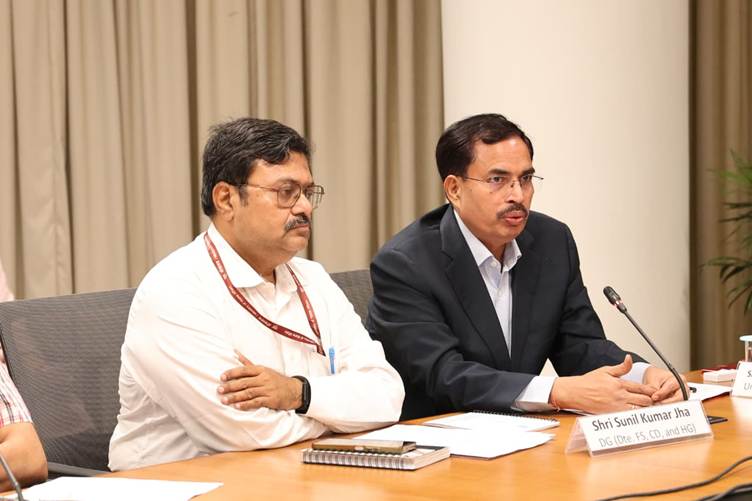
Speaking at the occasion, Shri Sunil Kumar Jha, Director General (Fire Services) emphasized the critical importance of a proactive and systems-based approach to fire safety in healthcare facilities. He highlighted that hospitals represent highly sensitive and complex environments, where even minor lapses can have severe consequences. Stressing the need for strict adherence to safety norms, regular audits, and capacity building, he underscored that preparedness, coordination, and continuous vigilance are key to preventing fire incidents and ensuring effective emergency response.
On the occasion, the Ministry also officially launched the National Guidelines on Fire and Life Safety in Healthcare Facilities (2026). These guidelines have been developed through extensive consultations with experts from a wide range of leading institutions and hospitals, ensuring a robust and comprehensive framework to enhance fire safety across healthcare facilities.
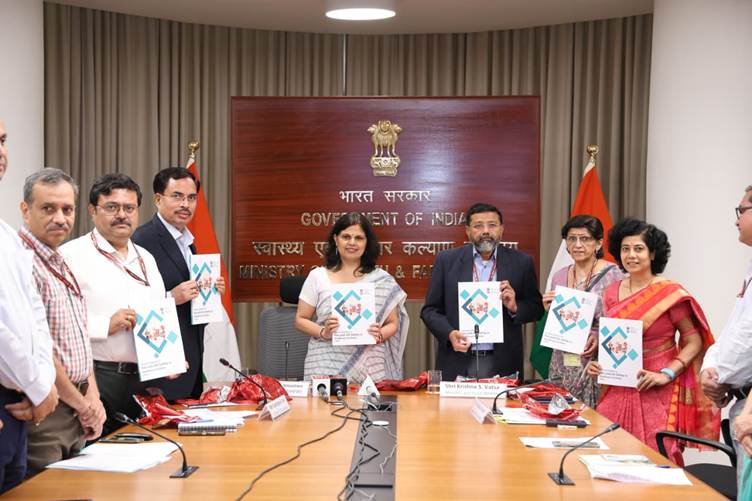
The guidelines comprehensively address multiple critical dimensions, including governance frameworks, risk assessment and mitigation, infrastructure planning, emergency response systems, training and capacity building of healthcare personnel, compliance mechanisms, and awareness generation. They also incorporate updated provisions for specialized high-risk areas such as Intensive Care Units (ICUs), Neonatal Intensive Care Units (NICUs), Pediatric Intensive Care Units (PICUs), and Operation Theatres (OTs), where stringent safety protocols are essential.
A comprehensive array of activities has been envisaged across the country during Fire Safety Week to amplify awareness and institutional preparedness regarding the prevention and mitigation of fire hazards in healthcare facilities. In addition to the nationwide pledge ceremony, these include systematic fire safety audits, mock drills and live demonstrations on fire detection and suppression systems, patient evacuation exercises, and a series of technical webinars designed to disseminate best practices and technical knowledge.
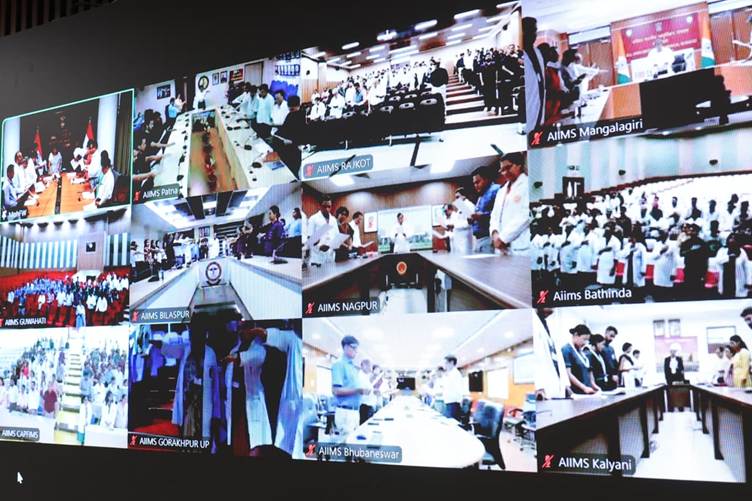
In order to ensure effective implementation, the Union Health Ministry has circulated an updated and detailed checklist to all States and Union Territories, urging them to direct all healthcare facilities—both public and private—to undertake rigorous fire and electrical safety audits. States and Union Territories have also been encouraged to organize targeted awareness initiatives, particularly in medical colleges and large tertiary care institutions. These initiatives include poster-making and quiz competitions, as well as hands-on demonstrations on the optimal use of fire detection and suppression equipment and systems, thereby fostering a culture of safety consciousness among healthcare professionals and students alike.
The Ministry has called upon all stakeholders to actively engage in the week-long observance and to adopt the prescribed guidelines in both letter and spirit, with the overarching goal of ensuring a safe, resilient, and responsive healthcare ecosystem for patients, caregivers, and healthcare workers across the nation.
National Guidelines on Fire and Life Safety in Healthcare Facilities (2026) can be accessed through this link: https://www.mohfw-dohfw.gov.in/static/uploads/2026/05/62dc36c7ac9aeedefb0e969de50686d1.pdf
*****
SR
HFW- Union Health Ministry Launches Nationwide Fire Safety Week /4th May 2026/1
(Release ID: 2257800)
Visitor Counter : 3133