Posted On:
05 MAY 2026 12:58PM by PIB Delhi
Union Ministry of Health and Family Welfare today inaugurated the 2-day National Conference on Rare Diseases in New Delhi, being held on 5th and 6th May 2026, marking a significant step towards strengthening India’s response to the challenges posed by rare diseases.
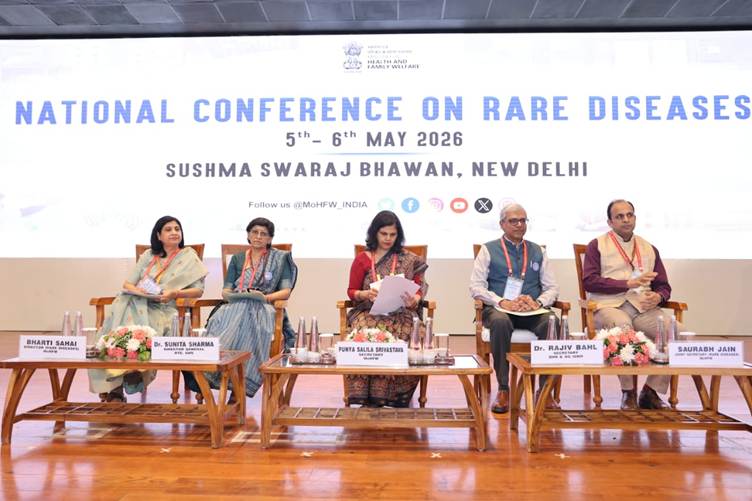
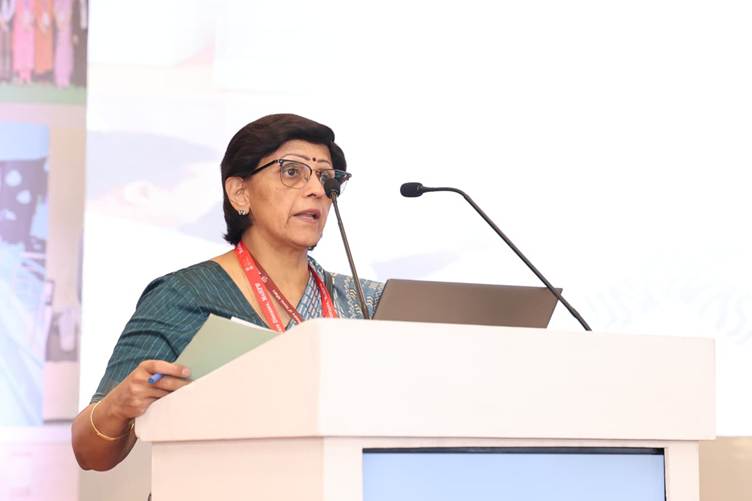
Addressing the gathering, the Union Health Secretary, Smt. Punya Salila Srivastava, stated that the core objective of organizing this conference is to understand the challenges faced by stakeholders, encourage innovations, and generate new ideas for strengthening the management of rare diseases in the country. She noted that the need for addressing rare diseases was first highlighted in the National Health Policy, 2017, and was subsequently institutionalized through the launch of the National Policy for Rare Diseases, 2021, which has positioned India among countries with a comprehensive national framework for rare diseases.
She highlighted that the policy is implemented through Centres of Excellence (CoEs) which are premier tertiary hospitals across the country. The number of CoEs expanded from 8 to 15 over the years including two CoEs in the North-East India, strengthening the national architecture for clinical care and support. Union Health Secretary also informed that the financial assistance under the policy has been progressively enhanced to ₹50 lakh, enabling improved access to treatment for patients suffering from identified rare diseases. Acknowledging the rising cost of therapies, she informed that the Government has taken proactive steps to exempt life-saving drugs from basic customs duty, with further expansion announced in the recent Union Budget. She encouraged stakeholders to suggest additional drugs that may be considered for such exemptions.
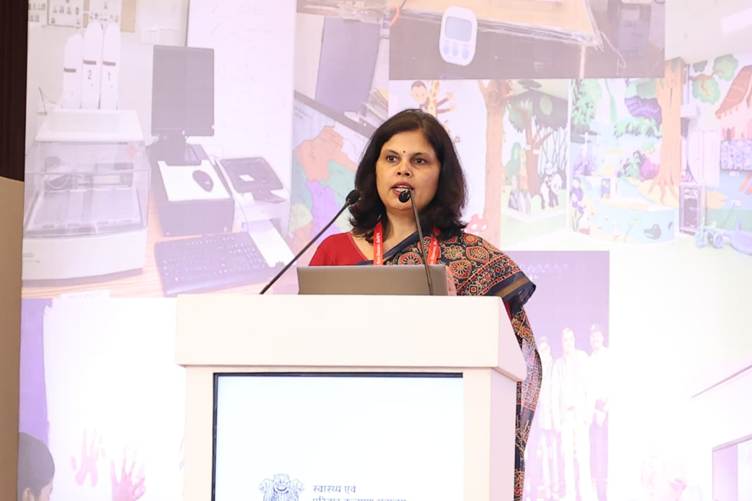
She emphasized that awareness generation and capacity-building workshops are being conducted across States and urged participants to identify districts where such initiatives can be further expanded, assuring full support from the Ministry.
Stressing the importance of early diagnosis and prevention, she highlighted the role of genetic analysis, early detection, and informed clinical management. She noted that rare diseases require collective and sustained efforts from all stakeholders, and that progress in this domain is only possible through strong collaboration.
She further informed that the Unique Methods for Management of Inherited Disorders (UMMID) initiative, through its NIDAN Kendras, is becoming operational, with genetic counselling services being strengthened, and approximately 1,800 patients having already received treatment support under the rare disease policy. She also acknowledged the collaborative efforts with regulatory bodies and other Ministries to streamline processes and improve access to therapies.
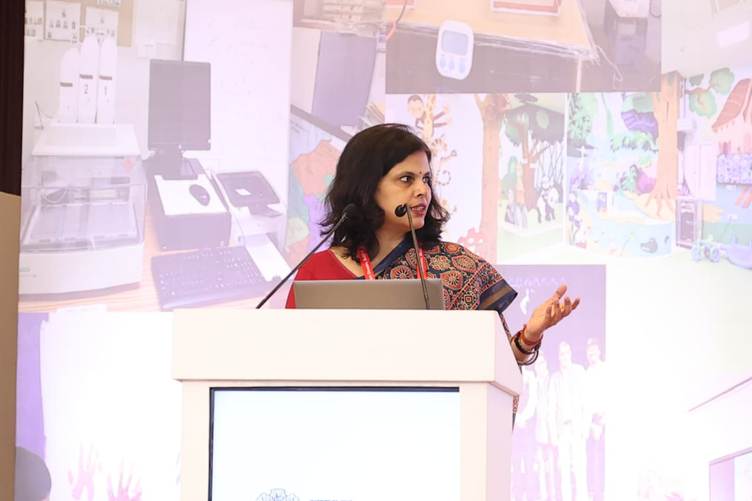
Expressing appreciation for the contributions of the Indian Council of Medical Research, she highlighted its role in advancing indigenous research and development of therapies for rare diseases.
Concluding her address, she emphasized the importance of documenting ongoing efforts and learnings during the two-day conference and expressed confidence that the deliberations will further strengthen collective resolve, enhance momentum, and contribute to improving the lives of patients affected by rare diseases.
Speaking at the Occasion, Secretary, Department of Health Research (DHR) and Director General, Indian Council of Medical Research, Dr. Rajiv Bahl, reflected on the significant progress made in the field of rare diseases over the past three decades. He noted that in the 1990s, identifying a patient with a suspected rare disease often led to a sense of helplessness, as diagnosis was extremely difficult and treatment options were virtually unavailable. Today, while even financial support of ₹50 lakh per patient may seem insufficient given the high cost of therapies, it represents remarkable progress that the country is now able to meaningfully support children affected by rare diseases.
He emphasized that this evolution reflects a broader shift in healthcare priorities, where attention is not only given to common diseases but also to those affected by rare, often genetic conditions. He described the Government of India’s rare disease programme as a source of hope for thousands of children and acknowledged the critical role played by Centres of Excellence in delivering care and advancing treatment.
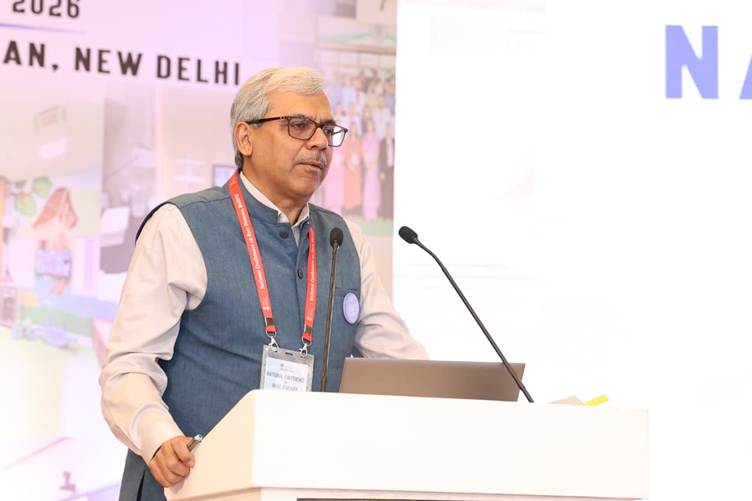
Dr. Bahl underscored the need for India to develop its own context-specific model for diagnosis, treatment, and prevention of rare diseases, rather than relying solely on Western frameworks. He highlighted that while developed countries have greater resources, India can leverage its strengths through population-based approaches, preventive strategies, and the effective use of digital technologies, including social media and emerging tools such as artificial intelligence, to expand outreach and improve early detection.
He further stressed the importance of optimizing available resources, noting that with a defined financial support framework, careful planning of diagnostics and treatment pathways is essential. He highlighted the value of family-based approaches, including parental genetic analysis and antenatal diagnosis, as cost-effective strategies for prevention and early intervention.
Highlighting ongoing efforts by ICMR, Dr. Bahl stated that the Council is actively working to expand the range of tools available for managing rare diseases. These efforts include promoting the indigenization of therapies and encouraging domestic production of affordable alternatives to high-cost drugs, in collaboration with industry partners and supported by clinical evaluation through Centres of Excellence.
He also spoke about the use of repurposed drugs—medications that may not fully cure but can significantly improve outcomes and quality of life. He informed that six such drugs have been identified and clinical efforts are being initiated for their use in rare diseases.
Further, he emphasized advancements in frontier technologies, including gene therapy, being pursued in collaboration with institutions such as the Department of Biotechnology (DBT) and Council of Scientific and Industrial Research (CSIR). He noted that India is making steady progress in this area and is closer than ever to realizing such advanced therapies, citing developments like CAR-T cell therapy as examples of emerging capabilities.
Concluding his address, he expressed confidence that continued collaboration, innovation, and commitment from all stakeholders will significantly improve the landscape of rare disease care in India and bring tangible benefits to patients and their families.
Dr. Sunita Sharma, Director General of Health Services, emphasized the importance of strengthening health systems for early diagnosis and comprehensive management of rare diseases. She highlighted the need to integrate rare disease services across different levels of healthcare, ensuring timely referral and continuity of care through an efficient network of facilities.
She also underscored the critical role of capacity building of healthcare professionals, expansion of screening programmes, and adoption of standardized treatment protocols. She noted that enhancing awareness at both community and provider levels will be key to improving early detection and outcomes for patients affected by rare diseases.
Over the course of two days, the conference will feature a series of technical sessions focusing on advancements in genomic technologies, research collaborations, affordable treatment strategies, and patient-centric care models. Special emphasis will be placed on enhancing coordination between stakeholders and improving access to quality healthcare services.
Ministry reaffirmed its commitment to ensuring equitable access to timely, affordable, and quality healthcare services for all patients affected by rare diseases and emphasized the importance of continued collaboration across sectors to address this critical public health challenge.
Shri Saurabh Jain, Joint Secretary (Rare Disease), Ministry of Health and Family Welfare, Smt. Bharti Sahai, Director, MoHFW, participants from various Centre of Excellence were also present at the event.
Background
Rare diseases are a diverse and complex group of conditions that require long-term, coordinated care and are often difficult to diagnose and manage. While each disease individually affects a small number of people, collectively they impact a significant population globally and in India. Most rare diseases are genetic in nature and manifest early in life, often during childhood. These conditions are typically chronic, serious, and in some cases life-threatening, making timely diagnosis, improved awareness, and enhanced access to treatment critical for improving patient outcomes and quality of life. Nearly 50% of new cases occur in children, contributing significantly to early-age mortality.
Despite growing attention, several challenges persist. Limited awareness among both the general public and healthcare professionals often leads to delayed or incorrect diagnosis, increasing the physical, emotional, and financial burden on patients and their families. Additionally, treatment options remain limited, and available therapies are often prohibitively expensive, restricting access for many patients.
Addressing these challenges, the Government of India has taken significant steps under the National Policy for Rare Diseases, which aims to reduce the incidence and prevalence of rare diseases through a comprehensive prevention strategy and to improve the availability and affordability of treatment. The policy categorizes rare diseases into three groups based on treatment requirements and cost implications, enabling a structured approach to care.
In a major step towards financial protection, the Ministry enhanced financial assistance for patients across all categories of rare diseases from ₹20 lakh to ₹50 lakh in August 2022. Further strengthening institutional capacity, the number of Centres of Excellence (CoEs) for diagnosis and treatment of rare diseases has been expanded from 8 to 15 across multiple States and Union Territories.
As part of nationwide sensitization efforts, over 50 workshops were conducted across the country in 2026 by Centres of Excellence in collaboration with the Ministry, aimed at enhancing awareness, strengthening prevention strategies, and promoting stakeholder collaboration. Building on these efforts, the current national conference brings together policymakers, clinicians, researchers, industry representatives, and patient advocacy groups to review progress and chart the way forward.
*****
SR