Ministry of Tribal Affairs
Ministry of Tribal Affairs and IIT Delhi Organise Seminar on “Role of AI and Technology in Strengthening Sustainable Tribal Development” under Janjatiya Garima Utsav 2026
Experts, Academicians and Policymakers Deliberate on Inclusive AI Solutions for Tribal Communities under the Theme “Technology as a Development Driver”
Nationwide Workshops Across States Highlight Role of AI and Emerging Technologies in Advancing Inclusive Tribal Development under Janjatiya Garima Utsav 2026
Posted On:
15 MAY 2026 9:56PM by PIB Delhi
As part of Janjatiya Garima Utsav 2026, a month-long celebration of the journey of Viksit Bharat inspired by the vision of Hon’ble Prime Minister, the Ministry of Tribal Affairs, in collaboration with the Bhagwan Birsa Munda Cell (BBMC), IIT Delhi, organised a seminar on “Role of AI and Technology in Strengthening Sustainable Tribal Development” at IIT Delhi. The seminar was organised as part of the thematic week on Technology as a Development Driver being observed from 11th to 17th May 2026.
Janjatiya Garima Utsav is being celebrated nationwide from 10 May to 9 June 2026 to honour the dignity, heritage, contributions and achievements of tribal communities, while also highlighting the transformative impact of various initiatives and schemes of the Ministry of Tribal Affairs for holistic tribal development and empowerment.
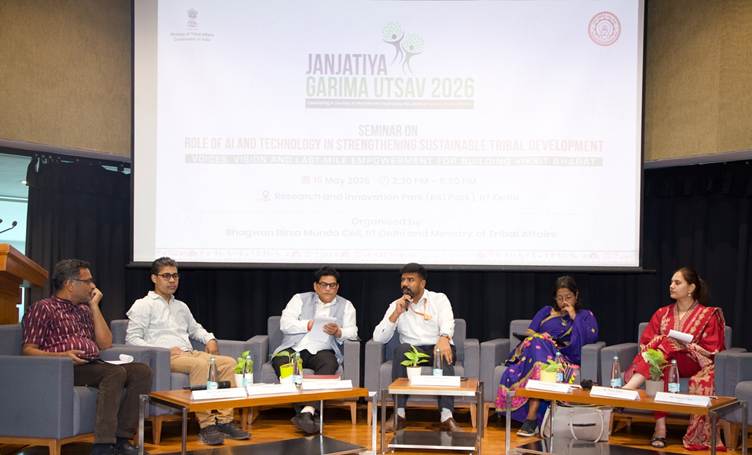
The seminar featured two focused panel discussions titled “AI to Last Mile Roadmap: Voices from Tribal Communities” and “AI to Last Mile Roadmap: Social Perspective”, bringing together eminent academicians, policymakers, researchers and technology experts to deliberate on the role of Artificial Intelligence (AI) and emerging technologies in advancing inclusive and sustainable development for tribal communities across the country. Discussions focused on ensuring that technological interventions remain community-centric, culturally sensitive and accessible to tribal populations living in remote regions.
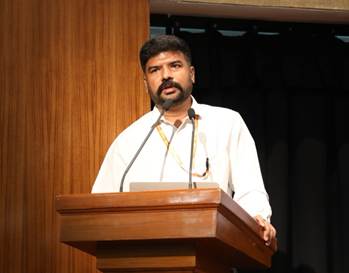
Addressing the gathering, Shri Ganesh Nagarajan, Deputy Secretary, Ministry of Tribal Affairs, reiterated the Ministry’s commitment towards inclusive and community-centric development guided by the principle of “Sabse Door, Sabse Pehle”. Stressing that India has over 200 endangered tribal languages, many of which remain undocumented, he underscored the importance of preserving language as an integral part of tribal identity and cultural heritage. He spoke about Adi Vaani, the AI-powered multilingual platform of the Ministry, which currently supports Gondi, Mundari, Bhili and Santali languages and is helping improve access to education, healthcare and government services while strengthening communication with tribal communities.
Moderating the first panel discussion, Prof. Vivek Kumar, IIT Delhi, emphasised the need to move beyond a “last mile” approach towards a “first mile” framework where tribal communities are positioned at the centre of technological planning and implementation. He remarked that technology should serve as an enabler that helps institutions understand the aspirations, concerns and lived experiences of communities, cautioning that development models disconnected from local value systems risk becoming ineffective and unsustainable.
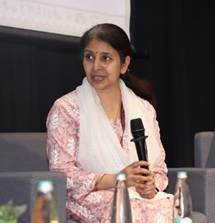
During the second panel discussion, Smt. Anshu Singh, DDG, Ministry of Tribal Affairs, highlighted the growing role of AI in enabling data visualisation and informed decision-making across States and Ministries through platforms such as Adi Vaani. She emphasised that future efforts should focus on transforming such initiatives into citizen-centric platforms supported by robust frameworks for AI testing, data confidentiality, accountability and responsible institutional data-sharing mechanisms.
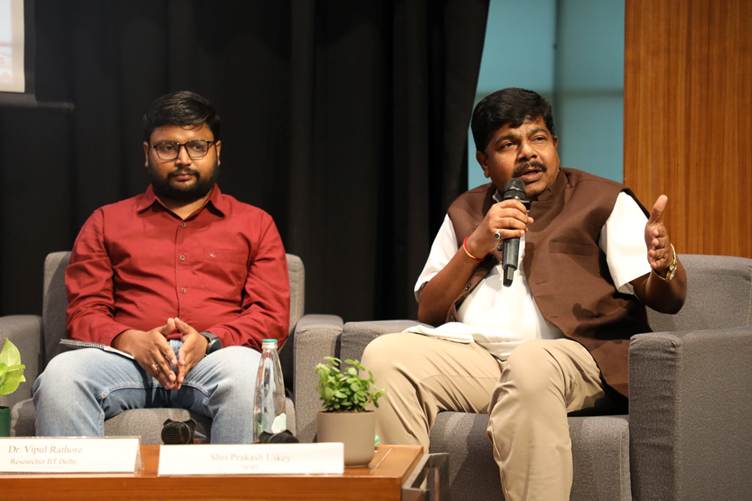
Shri Prakash Uikey, NCST, stressed that tribal communities must be understood through their own cultural and linguistic frameworks rather than through externally imposed perspectives. He also highlighted the transformative potential of AI in ensuring equitable access to quality education in rural and tribal regions, thereby strengthening foundational learning outcomes and reducing long-term educational disparities.
Prof. Sandeep Kumar, IIT Delhi, elaborated on the Adi Vaani initiative and reflected on the rapidly expanding role of AI in contemporary society. Emphasising the need for stronger collaboration between technical experts and grassroots stakeholders, he observed that while AI has immense transformative potential and has already become an integral part of everyday life, its growth must also be accompanied by appropriate ethical safeguards and responsible frameworks.
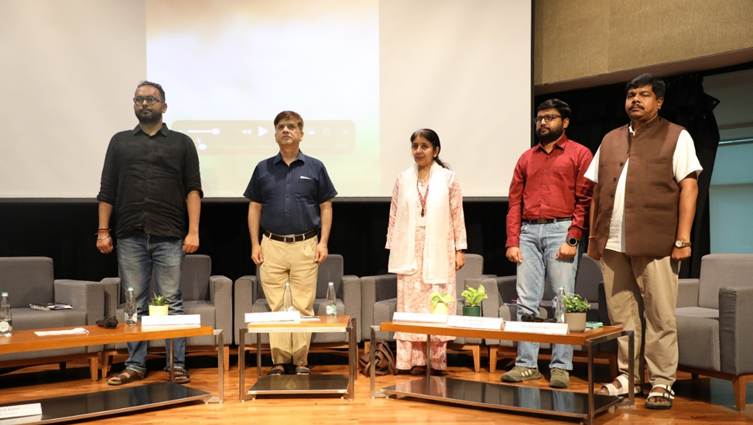
During the discussions, experts emphasised the need for greater institutional convergence, decentralised preservation of tribal languages and stronger integration of tribal knowledge systems within education and policy frameworks. Speakers highlighted that technology must go beyond utility to support preservation of heritage, indigenous healing practices and community-led development, while stressing that AI solutions for tribal communities should remain assistive, inclusive and rooted in indigenous datasets and local realities to ensure meaningful and sustainable impact.
Concluding the seminar, officials from the Ministry of Tribal Affairs emphasised that the discourse on AI and tribal development must remain anchored in sustainability, ethics and community participation, with future technological solutions developed not only for tribal communities, but also with and by tribal communities themselves.
The seminar also featured presentations on initiatives being undertaken under the Bhagwan Birsa Munda Cell (BBMC), showcasing efforts to integrate modern technology with traditional wisdom for sustainable and inclusive tribal development.
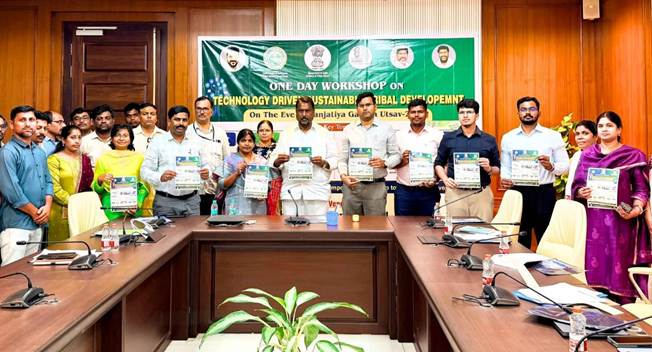
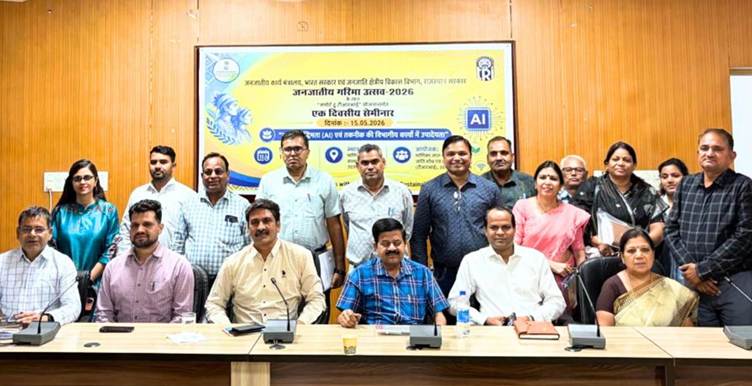
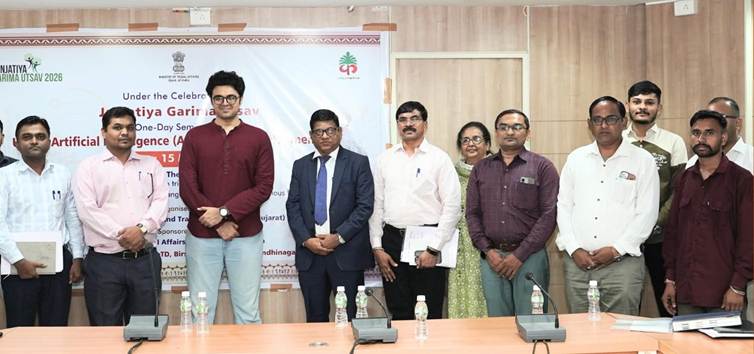
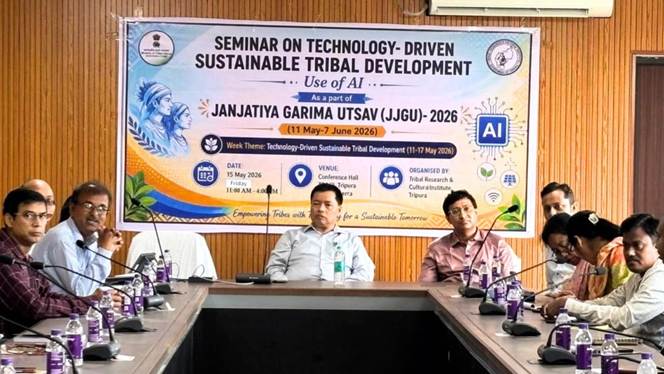
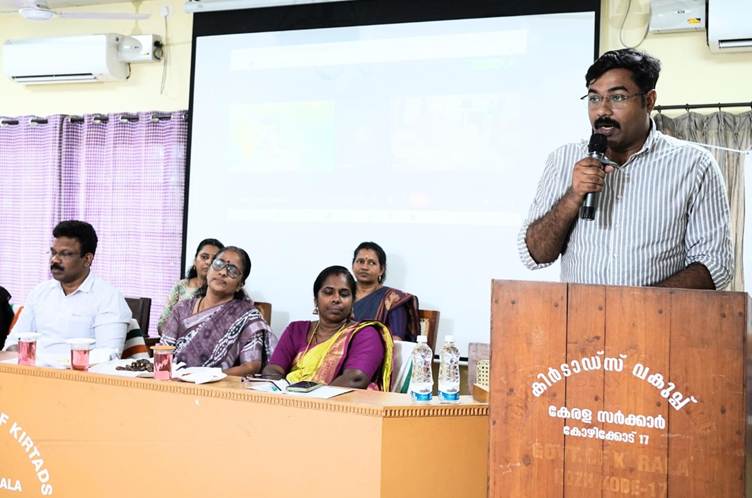
As part of the nationwide celebrations of Janjatiya Garima Utsav 2026 and the thematic week “Technology as a Development Driver”, workshops and deliberative sessions on AI and technology-enabled tribal development were organised across 10 States and Tribal Research Institutes (TRIs) on 15th May 2026. The sessions explored the transformative role of Artificial Intelligence and emerging technologies in governance, education, healthcare, nutrition, livelihood generation and preservation of tribal culture and heritage through digital platforms.
States including Odisha, Gujarat, Maharashtra, Mizoram, Rajasthan, Sikkim, Tamil Nadu, Tripura and Uttar Pradesh showcased region-specific innovations and approaches aimed at strengthening inclusive and sustainable tribal development through technology. The discussions also emphasised community participation, digital accessibility, preservation of indigenous knowledge systems and the need for culturally sensitive technological interventions. Bringing together researchers, academicians, policymakers, innovators and tribal stakeholders, the workshops reflected a growing nationwide momentum towards integrating technology with grassroots tribal empowerment and participatory development.
****
RN/
(Release ID: 2261660)
Visitor Counter : 2538