Ministry of Science & Technology
Science, Technology, and Innovation Need Identification for Sustainable Development of Kargil
Posted On:
17 JUL 2026 7:07PM by PIB Delhi
To strengthen science, technology and innovation (STI)-driven interventions for sustainable and inclusive development in the Kargil region, CSIR-National Institute of Science Communication and Policy Research (NIScPR), Unnat Bharat Abhiyan (National Coordinating Institution-IIT Delhi); Regional Coordinating Institution-IIT Jammu; and Participating Institution-Government Degree College, Kargil, jointly organised a one day meet on “Science, Technology, and Innovation Need Identification for Sustainable Development of Kargil” on 15th July 2026 at Government Degree College, Kargil, Ladakh. The meet was organized under the CSIR-NIScPR initiative titled "Leveraging CSIR Technologies for Rural Development: Expanding Initiatives and Identifying Opportunities". The initiative seeks to facilitate the dissemination of indigenous technologies developed by CSIR laboratories for addressing rural developmental challenges across India. The knowledge Partners of the event were, CSIR–Central Food Technological Research Institute (CFTRI), Mysuru, CSIR–National Institute for Interdisciplinary Science and Technology (NIIST), Thiruvananthapuram.
Kargil possesses immense potential in agriculture, horticulture, medicinal and aromatic plants, food processing, renewable energy, eco-tourism, and rural entrepreneurship. However, geographical remoteness, harsh climatic conditions, and limited access to appropriate technologies continue to pose significant developmental challenges. The meet aimed to identify region-specific science and technology needs and explore suitable technological interventions to enhance livelihoods, improve resource efficiency, and promote climate-resilient development.
More than 100 participants, including scientists, academicians, policymakers, government officials, representatives from research institutions, entrepreneurs, farmers, self-help groups (SHGs), students, and community representatives, participated in the meet and actively contributed to the discussions. The event provided a unique platform for dialogue among scientific institutions, government agencies, and local stakeholders to identify priority areas requiring science and technology interventions.
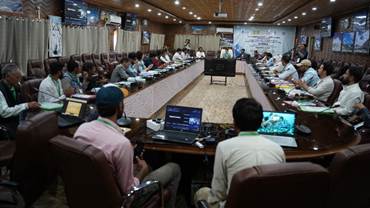
The meet commenced with an inaugural session chaired by distinguished dignitaries from CSIR-NIScPR, Unnat Bharat Abhiyan- IIT Delhi, IIT Jammu, and Government Degree College, Kargil. The session began with a welcome address by Ms. Disket Angmo, Principal, Government Degree College, Kargil; followed by addresses from Dr. Geetha Vani Rayasam, Director, CSIR-NIScPR; emphasizing the role of science-led interventions and stakeholder partnerships in promoting sustainable livelihoods and inclusive regional development. Speaking on the occasion the other dignitaries Prof. Ranjana Aggarwal, Dr. Yogesh Suman, Prof. P.K. Singh, and Prof. Meenakshi Rajeev, highlighted the importance of science, technology, innovation, and institutional collaboration for the sustainable development of the Kargil region. The inaugural session concluded with a vote of thanks by Dr. Shiv Narayan Nishad, Scientist-E, CSIR-NIScPR.
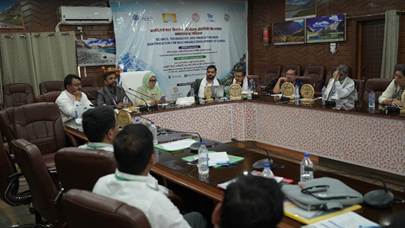
The first technical session, chaired by Dr. Nassreen F. Kacho, Senior Scientist and Head, Krishi Vigyan Kendra, Kargil and moderated by Mohammed Nasirul Mehdi Shabani, Principal, Government Degree College, Drass, experts from premier scientific institutions shared their experiences and technological innovations relevant to the Himalayan region. Dr. R.S. Praveen Raj, Scientist-F, CSIR-NIIST, presented advanced agricultural technologies suitable for mountain ecosystems, including Dehumidified drying technology for agricultural crops. Dr. Aashitosh Inamdar, Scientist-F, CSIR-CFTRI, discussed value-addition and food-processing technologies to enhance rural entrepreneurship in the Kargil region. Dr. Ashok Yadav, Principal Scientist, ICAR, highlighted the potential of Heeng cultivation in the country and the need for achieving self-sufficiency in Heeng production in India. He highlighted the progress made in Heeng cultivation under various ongoing initiatives and emphasized the need for continued science and technology interventions to strengthen livelihood opportunities in the Kargil region.
The second session, chaired by Dr. Mukul Bajpai, Scientist CSIR-NIScPR, on funding opportunities and local need identification featured presentations by Mr. Anub Tsetan Paljor, District Development Consultant, NABARD; Dr. Jigmet Yangchan, University of Ladakh; Dr. Nassreen F. Kacho, Senior Scientist and Head, Krishi Vigyan Kendra, Kargil; and Dr. Sameer Kumar Sarma Pachalla, Associate Dean, Outreach & Skill Development, IIT Jammu, Mohammed Nasirul Mehdi Shabani, Principal, Government Degree College, Drass, Mr. Rizwan Ali, Assistant Professor, Department of physics, Government Degree College, Drass, Prof. Sajad Hussain, Government Degree College, Drass. The speakers discussed institutional support mechanisms, technology adoption strategies, financial assistance, and collaborative opportunities for sustainable rural development.
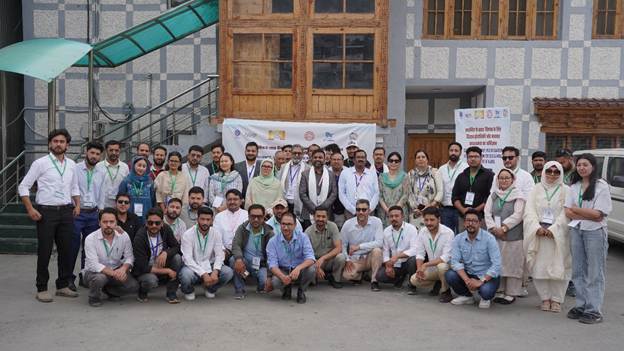
The meet concluded with an interactive scientist–stakeholder consultation session during which participants identified several priority areas requiring science and technology interventions. Key issues highlighted included sustainable agriculture, protected cultivation, medicinal and aromatic plants, food processing and value addition, renewable energy, water resource management, climate-resilient farming, rural entrepreneurship, eco-tourism, skill development, and livelihood enhancement. The participants also emphasized the importance of strengthening institutional partnerships and promoting technology demonstrations, pilot projects, and capacity-building programmes tailored to the needs of the region.
The deliberations generated valuable recommendations that will contribute to the preparation of a roadmap for future collaborative interventions involving CSIR laboratories, academic institutions, government agencies, financial organizations, and local communities. The meet also enhanced awareness among stakeholders regarding technologies developed by CSIR laboratories and their potential applications for addressing developmental challenges in Kargil.
The successful organization of the event resulted from contributions made by Dr. Yogesh Suman, Dr. Shiv Narayan Nishad, Dr. N.K. Prassanna, Ms. Meetali Bharti, Dr. Mukul Bajpai, Dr. P.K. Singh, Sh Ashish Chauhan, Mr. Gulzar Hussain, Mr. Syed Ali Mousavi, Mr. Nadir Ud Din, Mrs. Jyoti Kaul, and other team members marked another significant milestone in CSIR-NIScPR's collaboration with UBA and its continuing efforts to promote evidence-based policy research, technology dissemination, and science-led rural development. The deliberations reaffirmed the commitment of all participating organizations to fostering long-term partnerships for the sustainable and inclusive development of the Kargil region.
***
NKR/AK/NM
(Release ID: 2285883)
Visitor Counter : 1262