Posted On:
01 SEP 2026 5:57PM by PIB Jaipur
For generations, tribal and rural communities have developed ways of understanding the sky, seasons, agriculture, plants and natural resources through close interaction with their environment. At the Indian Institute of Technology Jodhpur, researchers are studying this knowledge not merely as cultural heritage, but as a potential resource for addressing contemporary challenges in environmental conservation, climate change and rural livelihoods.
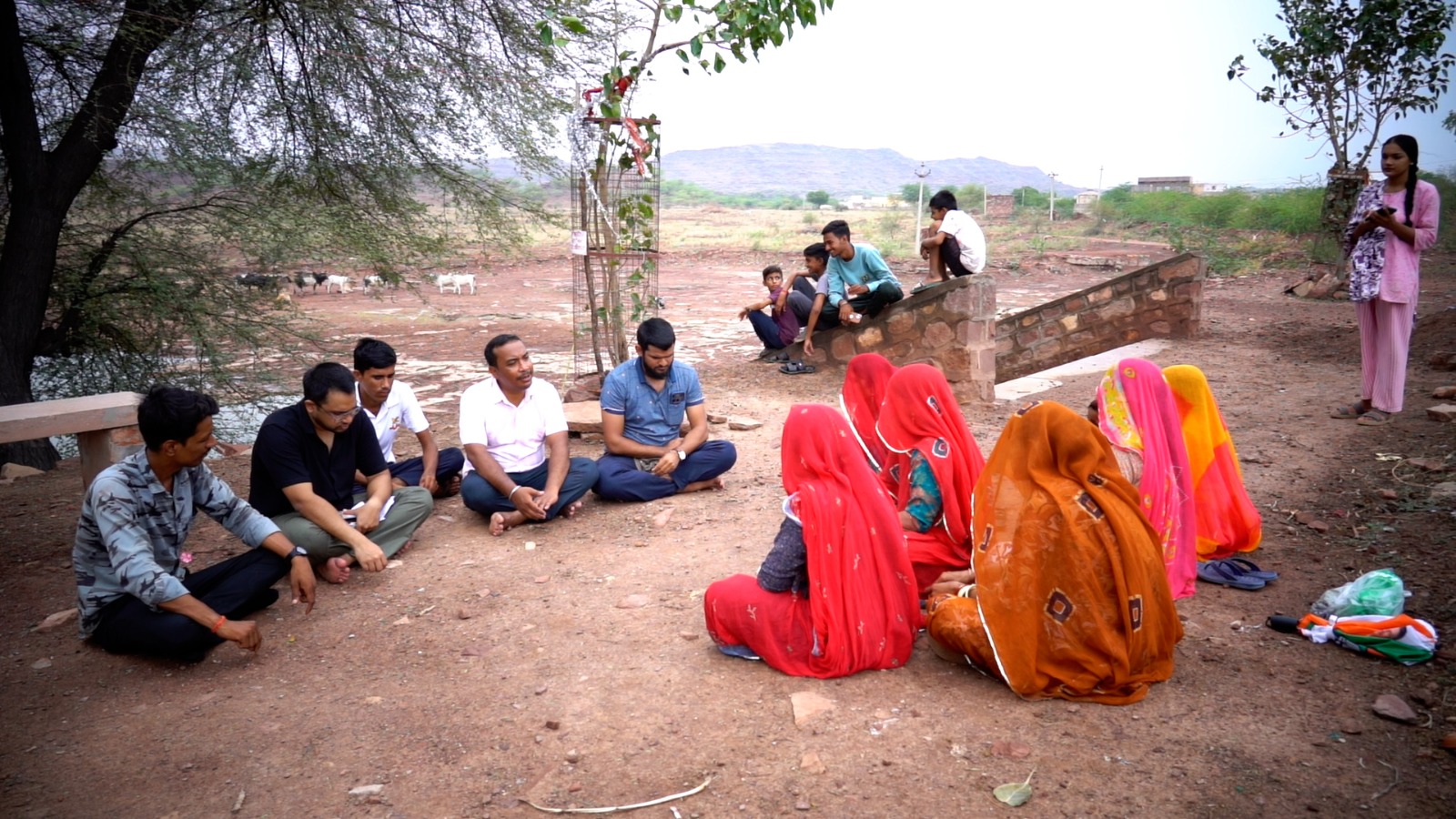
Dr. Bhaskar Kumar Kakati, Assistant Professor, School of Liberal Arts, IIT Jodhpur, is working with tribal communities across India and rural communities in Rajasthan to document indigenous knowledge, understand its scientific value and explore how it can be applied to environmental conservation and sustainable development.
“Traditional knowledge is not simply knowledge of the past. Communities have developed these practices through generations of close interaction with nature. Our research is about understanding their scientific and ecological value and exploring how this knowledge can contribute to present-day environmental and livelihood challenges,” said Dr. Kakati.
Studying the knowledge of tribal communities
A key area of Dr. Kakati’s research is tribal astronomy—documenting how tribal communities understand the sky, stars, seasons and natural cycles.
The research compares these community observations with the Indian Knowledge System and has developed a glossary of astronomical knowledge used by tribal communities across India. The work aims to document and preserve this knowledge while creating a basis for understanding its significance from a contemporary research perspective.
Another major research area examines indigenous agricultural practices and rituals in Rajasthan. The research explores how traditions associated with farming and nature can also contribute to biodiversity conservation and sustainable management of natural resources.
The work draws on the concept of Spiritual Ecology, which examines how people's cultural, emotional and spiritual relationship with nature can influence their environmental practices.
From traditional knowledge to ecological restoration
The research moves beyond documentation to examine whether indigenous practices can produce tangible environmental benefits.
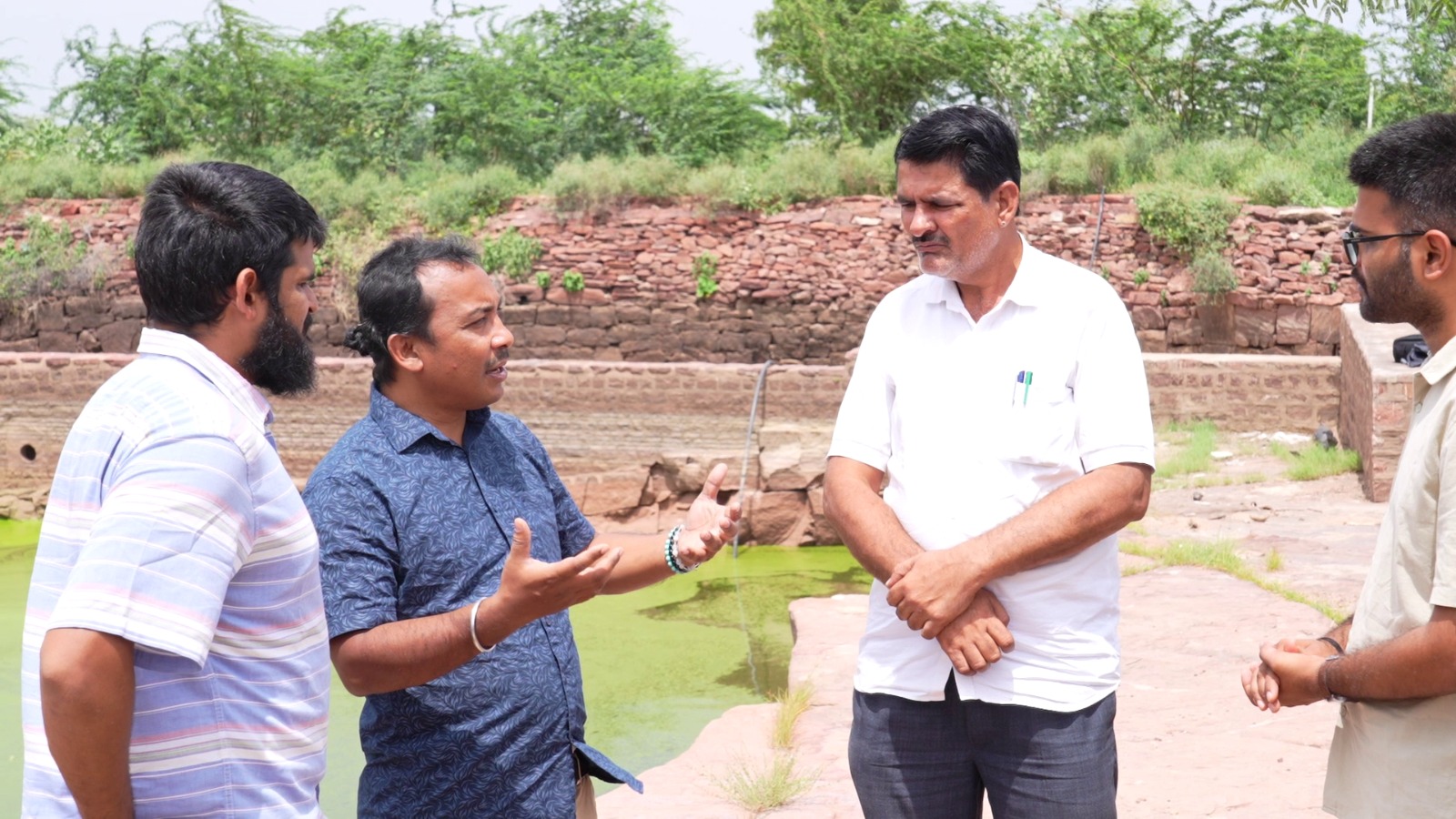
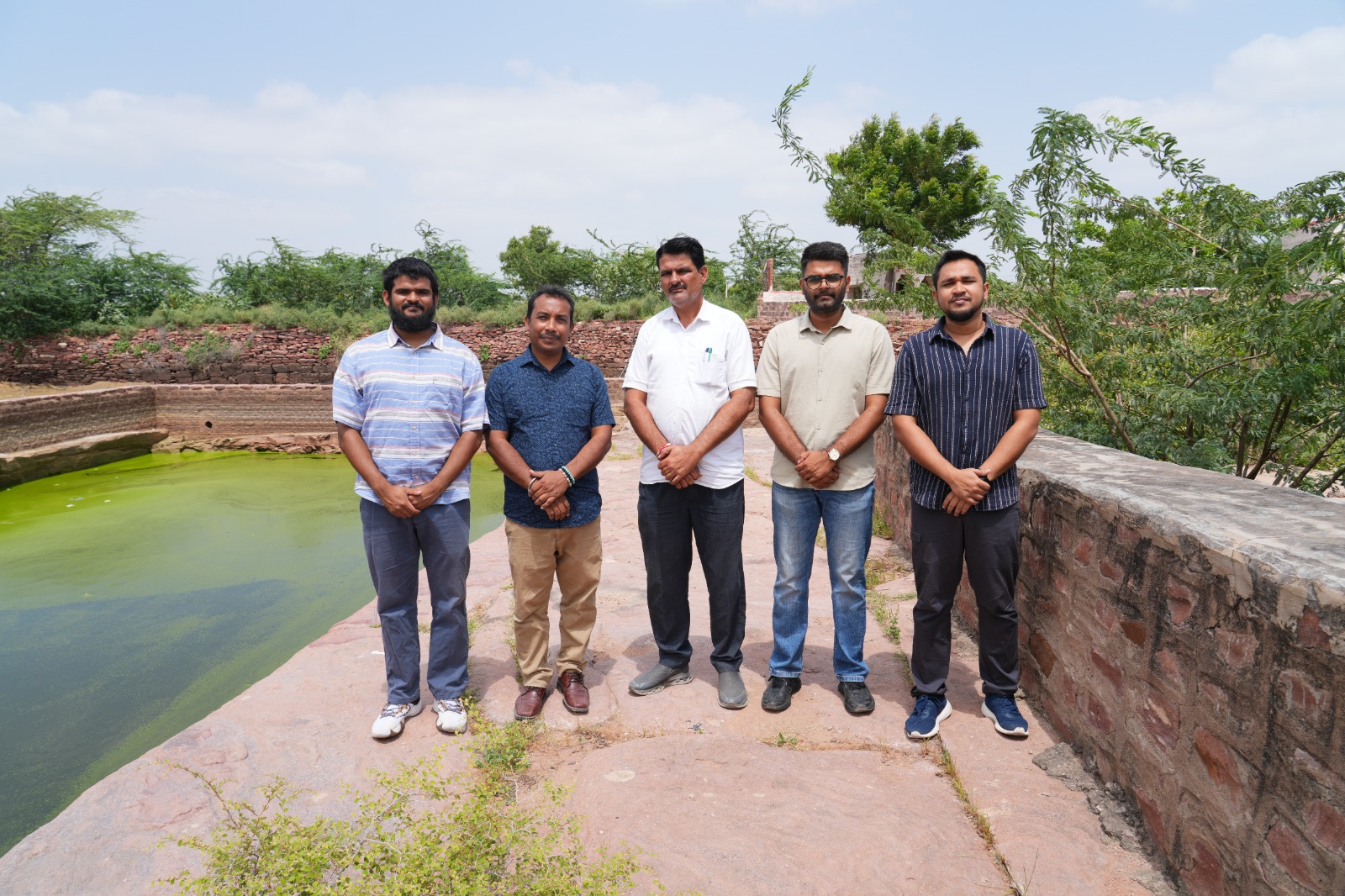
A key field-based example is the development of a Nakshatra Vatika on degraded community land at Nandiya Kalan village in Rajasthan.
The initiative brought together traditional knowledge, community participation and ecological restoration. The project resulted in restoration of biodiversity, conservation of medicinal plants and increased community participation, demonstrating how community knowledge and ownership can support the revival of fragile ecosystems.
“The work at Nandiya Kalan showed that conservation becomes more meaningful when local communities are active participants. Traditional knowledge, community ownership and scientific approaches can work together to restore degraded ecosystems,” said Dr. Kakati.
The research therefore looks at traditional knowledge as a living and evolving resource, rather than something that exists only in historical records.
Connecting knowledge with rural livelihoods
The research also explores an important question: Can traditional knowledge help create sustainable economic opportunities for rural communities?
Through the ASPIRE Scheme of the Ministry of MSME, Dr. Kakati works with the Livelihood Business Incubation Centre at IIT Jodhpur to connect rural communities with skill development, entrepreneurship training and government support programmes.
The objective is to explore pathways through which traditional knowledge can support entrepreneurship, skill development and sustainable rural livelihoods, while strengthening community capacities.
This creates a link between three interconnected areas—environmental conservation, cultural knowledge and economic development.
Bringing villages and laboratories together
Dr. Kakati’s research is now looking towards integrating traditional knowledge, appropriate technology, Artificial Intelligence and modern science to develop practical solutions for climate change and sustainable development.
The research also reflects IIT Jodhpur’s interdisciplinary approach, bringing together perspectives from engineering, environmental science, social sciences and rural development.
“We should not look at traditional knowledge and modern science as two separate worlds. There is an opportunity to learn from both. By bringing knowledge from villages into dialogue with scientific research and technology, we can explore solutions that are environmentally sustainable as well as socially and economically relevant,” Dr. Kakati said.
The research highlights a larger possibility: tribal and rural communities can be partners in developing solutions for the future, not merely beneficiaries of them.
By documenting knowledge, understanding its scientific value, applying it to ecological restoration and exploring livelihood opportunities, the research at IIT Jodhpur seeks to build a bridge between India’s indigenous knowledge traditions and contemporary science and technology.
“My belief is that some of the most meaningful solutions can emerge when we learn from both laboratories and villages. The goal is to protect nature, strengthen communities and create sustainable pathways for the future,” Dr. Kakati added.
At IIT Jodhpur, such interdisciplinary research is contributing to the exploration of new pathways where India’s knowledge traditions and contemporary science can work together to address environmental challenges, strengthen rural communities and build a more sustainable future.
000000