Ministry of Consumer Affairs, Food & Public Distribution
Department of Consumer Affairs, Government of India and Government of Uttar Pradesh organise Conference on Legal Metrology Reforms at Lucknow
Conference focuses on effective implementation of Jan Vishwas Act, Ease of Doing Business, digital governance and trust-based enforcement
Centre calls upon States to shift from permission-based regulation to facilitative, risk-based and technology-driven Legal Metrology administration
Reforms seek to reduce compliance burden while strengthening consumer protection and ensuring accuracy and fairness in trade
Posted On:
03 SEP 2026 2:29PM by PIB Lucknow
The Department of Consumer Affairs, Government of India, in collaboration with the Department of Legal Metrology, Government of Uttar Pradesh, organised a one-day Conference of Principal Secretaries/Controllers, Legal Metrology Officers of Madhya Pradesh, Uttar Pradesh and Uttarakhand and representatives of industry on “Legal Metrology Reforms and Effective Implementation of the Jan Vishwas (Amendment of Provisions) Act, 2026” at Lucknow on 3 September 2026.
The Conference brought together senior officers of the Central and State Governments, Legal Metrology authorities and representatives of leading industry associations to deliberate upon the implementation of recent reforms in Legal Metrology and to develop a more facilitative, transparent, technology-driven and uniform regulatory framework across States. Around 250 participants attended the Conference.
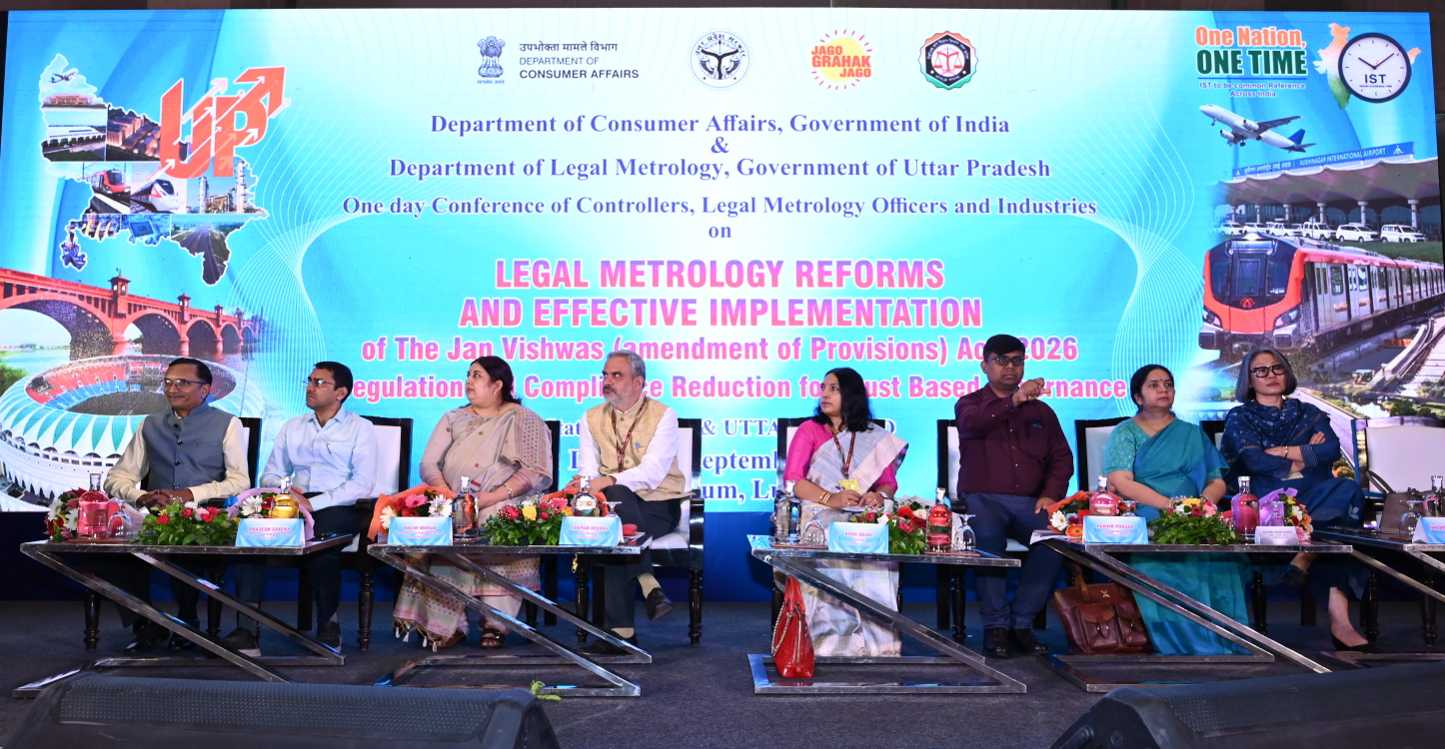
The inaugural session was addressed by Smt. Nidhi Khare, Secretary, Department of Consumer Affairs, Government of India; Shri Ranvir Prasad, Principal Secretary, Government of Uttar Pradesh.
In her keynote address, Smt. Nidhi Khare, Secretary (Consumer Affairs), highlighted that Legal Metrology lies at the heart of everyday economic activity by ensuring accuracy, fairness and trust in transactions. Referring to the Prime Minister's Panch Pran, she emphasised that the reforms contribute to the resolve of building a developed India, removing vestiges of the colonial mindset, taking pride in India's capabilities and heritage, strengthening unity, and promoting a strong sense of duty among citizens and institutions. She underlined that the Department's approach is guided by the spirit of 'Reform, Perform, Transform and Inform' - reforming outdated regulatory processes, ensuring effective performance and delivery, transforming services through technology, and informing consumers and businesses of their rights and responsibilities. She stressed that the reforms are intended to make regulatory processes easier, faster and more transparent for citizens and businesses. Ease of Doing Business, she said, requires proportionate, predictable and trust-based regulation with consumer protection at its core.
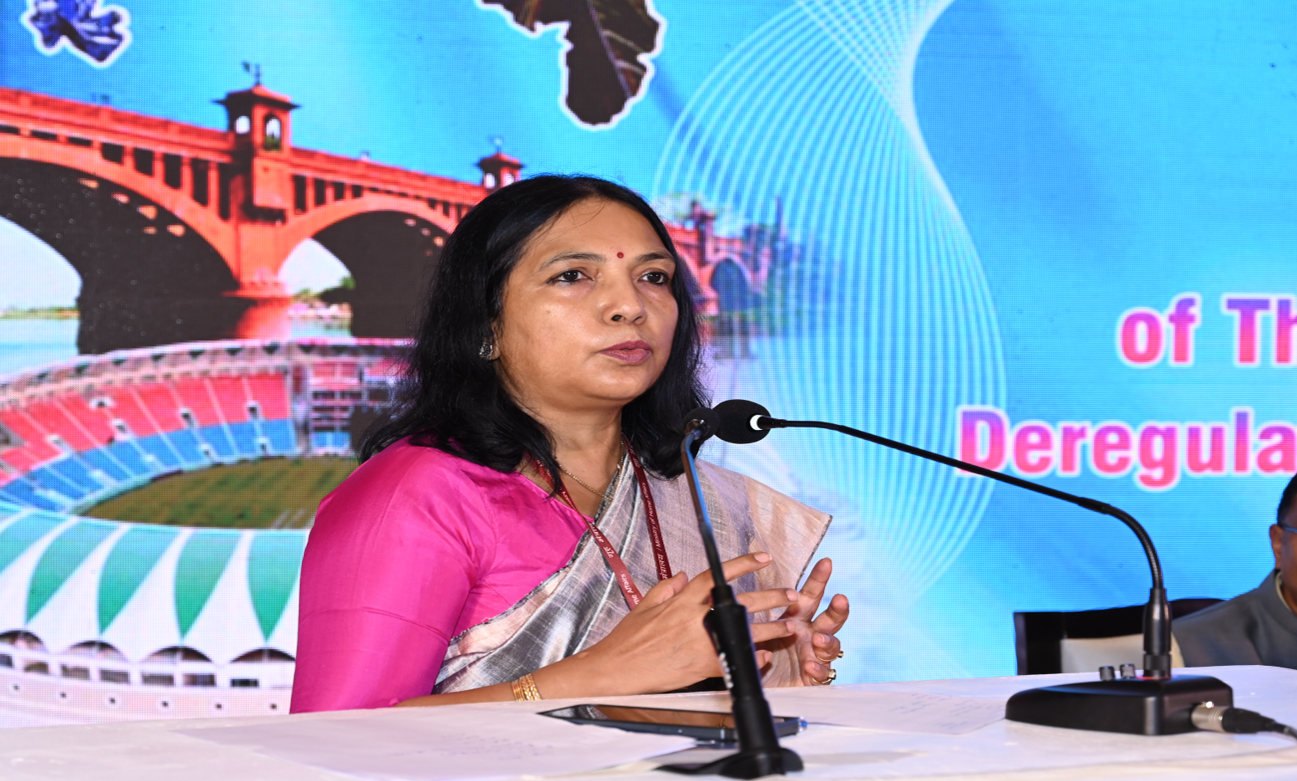
She explained that the broader deregulation agenda, including the Jan Vishwas reforms, does not mean absence of oversight; it means removing unnecessary permissions, duplicative requirements and procedural layers while concentrating enforcement on areas of genuine consumer risk. Measures such as automatic registration, Improvement Notices, rationalised verification and renewal requirements, and end-to-end digital services are intended to reduce the compliance burden and make interactions with Legal Metrology authorities simpler and more predictable. She noted that India becoming the 13th country in the world authorised to issue OIML pattern approval certificates marks a major milestone in the country's Legal Metrology system. These internationally accepted certificates enable domestic manufacturers to export weighing and measuring instruments without undergoing repeated testing in other countries. This reduces testing costs and time, improves access to global markets and provides a significant boost to Make in India. She called for coordinated implementation by States, industry and other stakeholders so that the reforms deliver tangible benefits to consumers and genuine businesses.
Shri Ranvir Prasad, Principal Secretary, Government of Uttar Pradesh, in his welcome address, welcomed the dignitaries, officers of the Central and State Governments and representatives of industry associations to the Conference. He highlighted the State Government's commitment to implementing the Legal Metrology reforms in their true spirit and emphasised the need for uniform procedures, adoption of digital systems. He also underlined the importance of capacity building of field officers for a successful transition from a permission-oriented system to a trust-based regulatory framework.
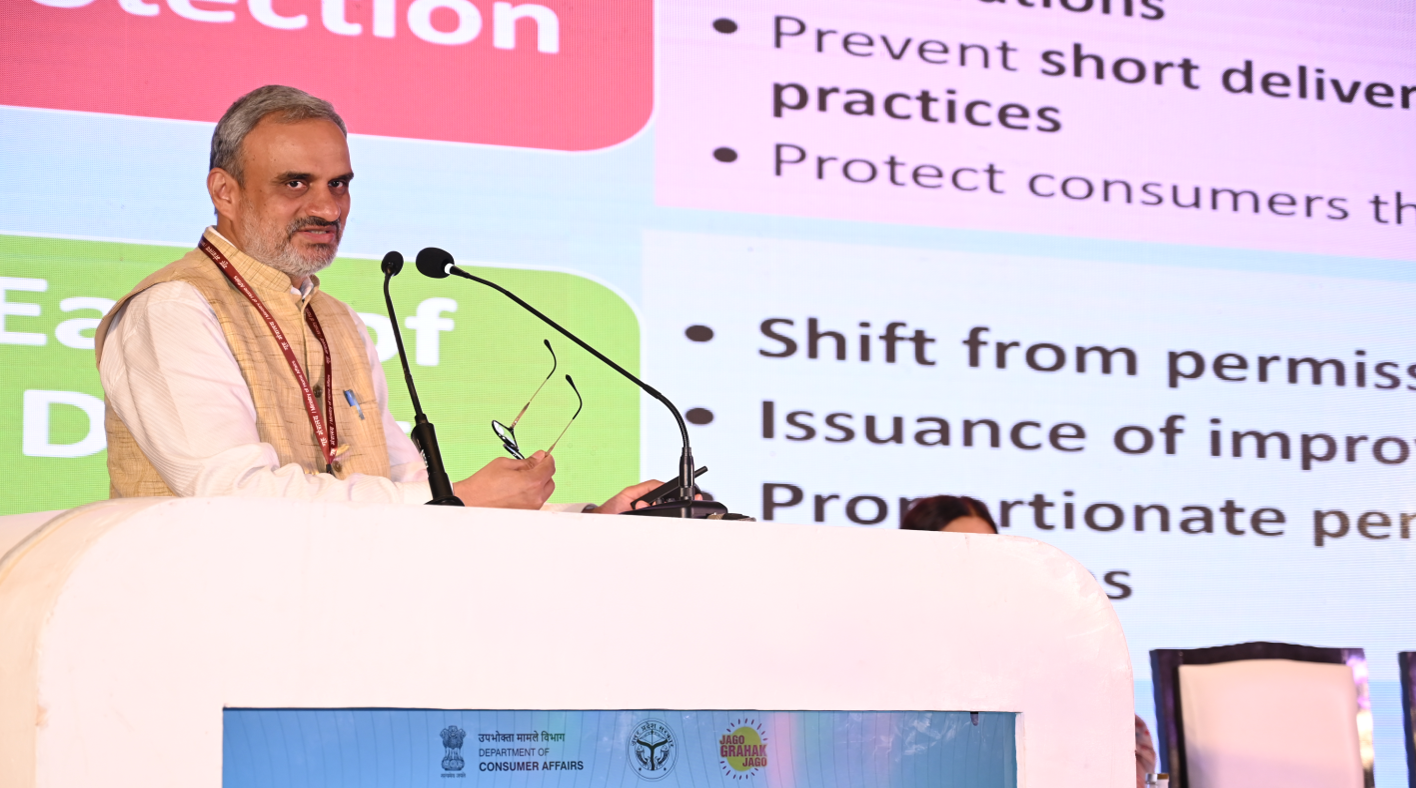
Shri Anupam Mishra, Additional Secretary, Department of Consumer Affairs, made a detailed presentation on “Legal Metrology Reforms: Ease of Doing Business, Consumer Protection and Effective Enforcement”, highlighting the transformation of the Legal Metrology framework from a compliance-driven approach towards a facilitative and trust-based regulatory regime. He outlined the major reforms introduced under the Jan Vishwas (Amendment of Provisions) Act, 2026, including decriminalisation of offences, introduction of Improvement Notices, rationalisation of penalties and compounding provisions, and the transition from licensing to a registration-based regime. He explained that these reforms provide an opportunity for rectification of technical and inadvertent non-compliances while retaining strong action against serious and persistent violations. The presentation also highlighted the strengthening of the Government Approved Test Centre (GATC) framework, under which the number of categories of weights and measures that can be verified by GATCs has increased from 10 to 23. He informed that 51 GATCs have been approved and around 92,000 verification certificates have been issued, thereby expanding verification capacity and facilitating industry.
The presentation further covered a range of recent measures aimed at reducing unnecessary compliance burden while strengthening consumer protection, including increasing the re-verification period of petrol/diesel dispensers from one year to two years; rationalising the requirement of standard weights for verification of high-capacity weighing instruments; removing prior permission for manufacture of non-standard weights or measures exclusively for export and R&D; harmonising Legal Metrology requirements for medical devices; and improving transparency in packaged commodities. Shri Mishra also highlighted the e-Maap digital platform as an important initiative for bringing greater transparency, uniformity and efficiency to Legal Metrology administration. He further elaborated on the Legal Metrology (Indian Standard Time) Rules, 2026, notified on 27 August 2026, which provide a framework for a unified and traceable Indian Standard Time (IST) as the standard reference for civil, commercial and legal purposes across India, with nationwide dissemination through CSIR-NPL, Regional Reference Standards Laboratories (RRSLs), ISRO and other authorised timing sources. He emphasized that the Legal Metrology Officers should not be assigned targets for booking cases and generation of revenue.
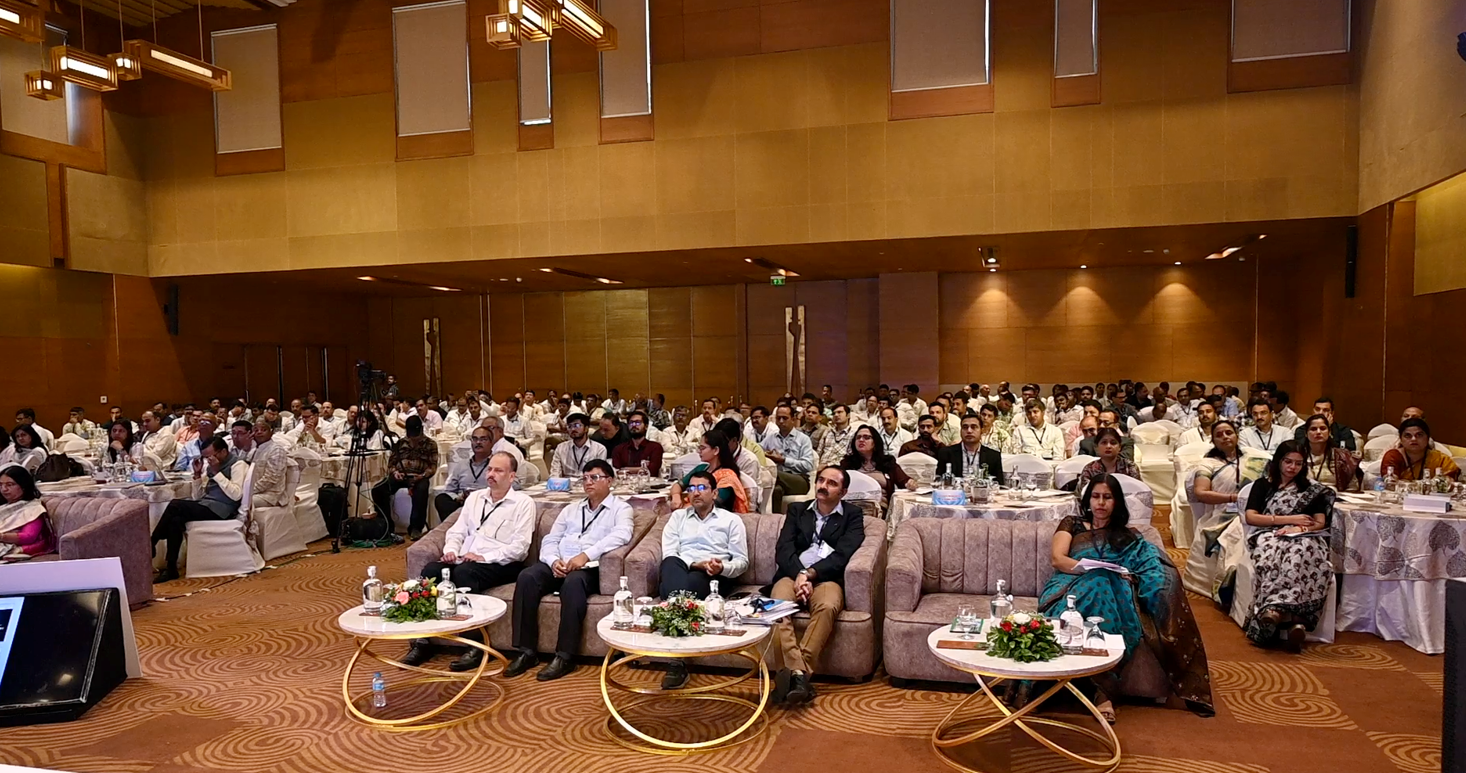
The technical sessions provided a platform for detailed deliberations among senior officers of the Central and State Governments and representatives of industry associations on translating the reforms into effective implementation at the field level. Discussions focused on implementation of the Jan Vishwas reforms and Improvement Notices; digital transformation through e-Maap, harmonisation of State Legal Metrology/Enforcement Rules; strengthening of the GATC framework, simplification of registration and verification procedures; rationalisation of inspections and penalties; and reduction of unnecessary and duplicative compliances. The sessions also emphasised a transition towards risk-based and data-driven enforcement, including targeted inspections based on risk and past compliance history, appropriate use of self-certification and third-party conformity assessment, sharing of best practices among States/UTs and development of a more uniform framework for implementation. Industry representatives included Ms Aprajita Tripathi (FICCI); Ms. Jyoti VK (RAI); Mr. Lokesh (CAIT); Er. D. P. Singh (ASSOCHAM); Mr Prabodh Halde, SEA and Ms. Reena Bhargava (PHD Chamber) participated in the discussions and brought the industry perspective to the reform process.
From Government of India apart from Secretary and Additional Secretary, Ms Imkongla Jamir M, Joint Secretary, Shri Ashutosh Agarwal, Director, Legal Metrology and Senior Legal Metrology Officers participated and deliberated in the conference. Senior officers from the participating State Governments attended the Conference and contributed to the deliberations on effective implementation of the Legal Metrology reforms. State-level participation included Smt. Rashmi Arun Shami, Additional Chief Secretary, Government of Madhya Pradesh; Shri Brajesh Saxena, Controller, Legal Metrology, Madhya Pradesh; and Smt. Ruchi Mohan Rayal, Additional Secretary/Controller, Legal Metrology, Government of Uttarakhand, along with other senior Legal Metrology officers. The senior officers shared their perspectives on implementation of the Jan Vishwas reforms, harmonisation of State Enforcement Rules, Ease of Doing Business and adoption of a more facilitative and trust-based regulatory approach. Their participation provided an important State-level perspective on operational challenges, best practices and the need for greater uniformity in implementation of the Legal Metrology framework across the country.
The Conference emphasised the critical role of State Governments as the principal enforcement agencies in translating these reforms into outcomes at the ground level. States were encouraged to align their Legal Metrology Enforcement Rules with the amended Legal Metrology Act 2009; adopt Improvement Notices in their true spirit; eliminate redundant permissions and compliances; accelerate digital implementation; and share best practices to promote greater uniformity in enforcement across the country.
The deliberations reaffirmed that the next phase of Legal Metrology reforms would be guided by the principle of “Compliance through Trust, Enforcement through Risk and Consumer Protection through Technology.”
The objective is to build a Legal Metrology framework in which genuine businesses experience simpler and predictable compliance, enforcement resources are concentrated on areas of real consumer risk, and consumers continue to receive strong protection against short delivery, inaccurate measurement, misleading declarations and unfair trade practices.
***
(Release ID: 2306299)
Visitor Counter : 782