Ministry of Environment, Forest and Climate Change
New Subterranean Amphibian Species discovered in Western Ghats
New Species named Gegeneophis chandgadi after Chandgad’s Local Marathi Dialect
Posted On:
12 SEP 2026 3:02PM by PIB Kolkata
Kolkata, September 12, 2026
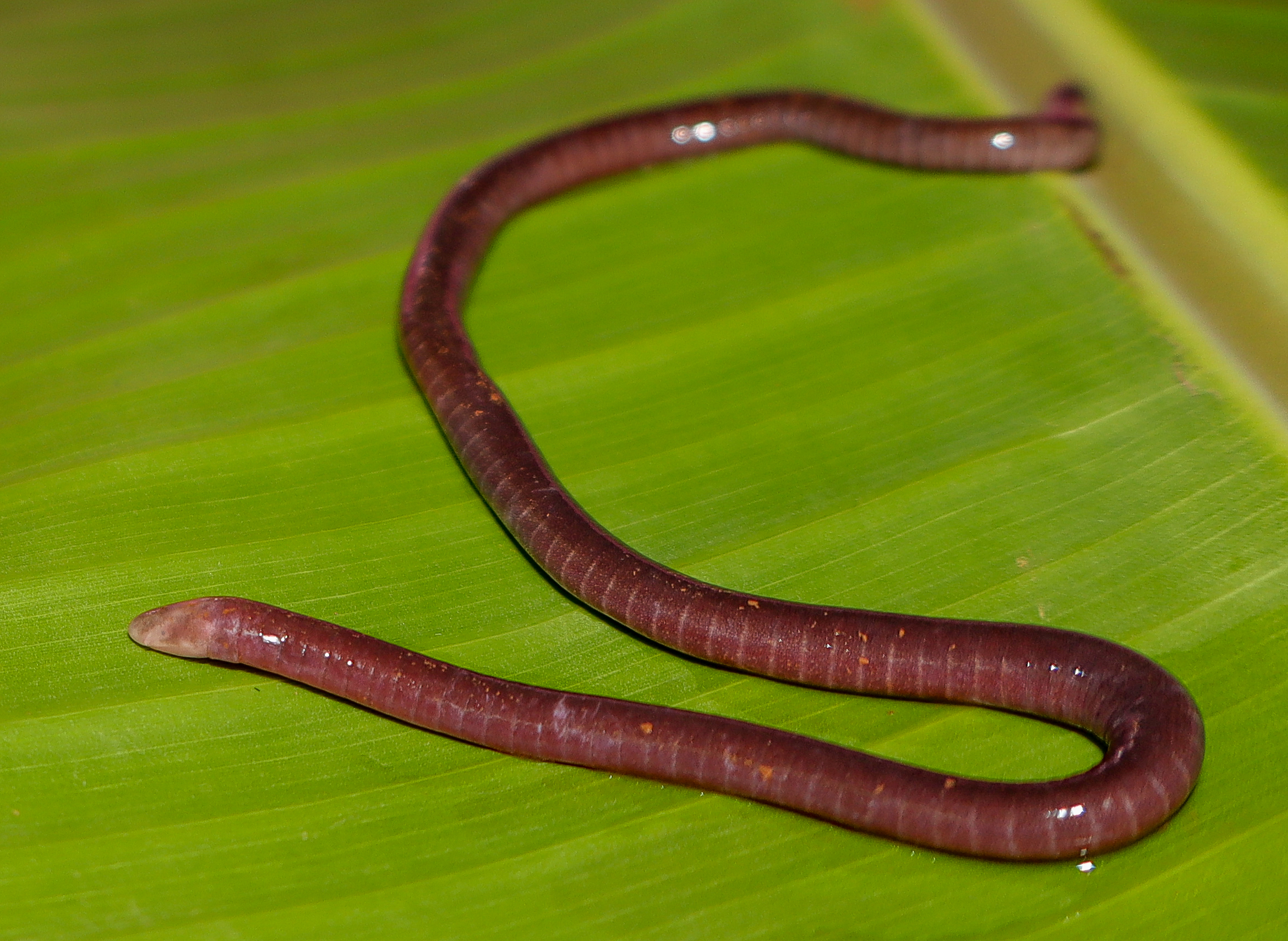
A multi-institutional team of researchers has recently discovered a new species of subterranean, legless amphibian, commonly known as a caecilian, from the Northern Western Ghats of Maharashtra. The newly identified species has been named Gegeneophis chandgadi in recognition of the Chandgadi dialect of Marathi, spoken in and around Chandgad in Kolhapur district, where the species was discovered.
The research team comprised scientists and researchers from the Zoological Survey of India (ZSI), WRC Pune, Yashwantrao Chavan Mahavidyalaya, Halkarni, Savitribai Phule Pune University, and the Mhadei Research Centre, Goa. The taxonomic description and detailed findings of the discovery have been published in the records of th ZSI.
The discovery complements an important new species to India's rich amphibian diversity and highlights the continuing potential for finding previously undocumented biodiversity in the Western Ghats, one of the world's significant biodiversity hotspots.
The name Gegeneophis chandgadi represents a unique recognition of the linguistic and cultural identity of the Chandgad region. The researchers chose the name after the local Chandgadi dialect of Marathi, thereby connecting the scientific discovery with the cultural heritage of the landscape where the species was found.
The contribution of local communities was also significant, particularly their traditional ecological knowledge and familiarity with the local landscape, which assisted researchers in locating the specimens. The discovery thus demonstrates the value of collaboration between scientific institutions and local communities in documenting India's biodiversity.
The new species was discovered at Buzawade in Chandgad, where it was found inhabiting residential and agricultural landscapes in areas associated with human habitation.
The finding provides important insights into the ecology of subterranean amphibians and demonstrates that significant biodiversity can persist even outside formally protected forest areas.
Caecilians are highly elusive, soil-dwelling amphibians that spend most of their lives underground. Because of their subterranean habits and outward resemblance to earthworms or blind snakes, they are often overlooked during conventional biodiversity surveys.
Establishing the identity of the newly discovered species required an integrated scientific approach, the researchers combined molecular analysis with detailed morphological and meristic examinations to establish that the specimens represented a distinct species.
The use of multiple lines of evidence is particularly important in Caecilians, where closely related species can exhibit considerable external similarity. The integrated analysis enabled the researchers to distinguish Gegeneophis chandgadi from other known members of the genus.
The discovery assumes particular significance against the backdrop of the global decline in amphibian populations. With around 41 per cent of global amphibian species facing the threat of extinction, the documentation of previously unknown species is essential for understanding the true extent of biodiversity and for developing effective conservation strategies.
The findings also project the necessity for continued soil-level and subterranean biodiversity surveys in the Western Ghats. Species inhabiting underground environments may remain undetected for long periods, raising the possibility of "silent extinctions" in which species disappear before they are scientifically documented.
India currently records 458 amphibian species, including 41 Caecilian species. With the discovery of Gegeneophis chandgadi, the number of known species in the genus Gegeneophis in India has increased to 12, of which 11 are endemic to the Western Ghats.
The discovery reinforces the importance of sustained biodiversity exploration in the Western Ghats and demonstrates how scientific research, molecular taxonomy, morphological investigation and local ecological knowledge can together reveal previously undocumented components of India's natural heritage.
The identification of Gegeneophis chandgadi not only enriches the scientific understanding of India's amphibian diversity but also underscores the importance of recognising and preserving the ecological and cultural identities of local landscapes.
*******
SSS/PK/Kol/12.9.26..
(Release ID: 2309489)
Visitor Counter : 225