Posted On:
22 SEP 2026 9:00PM by PIB Jaipur
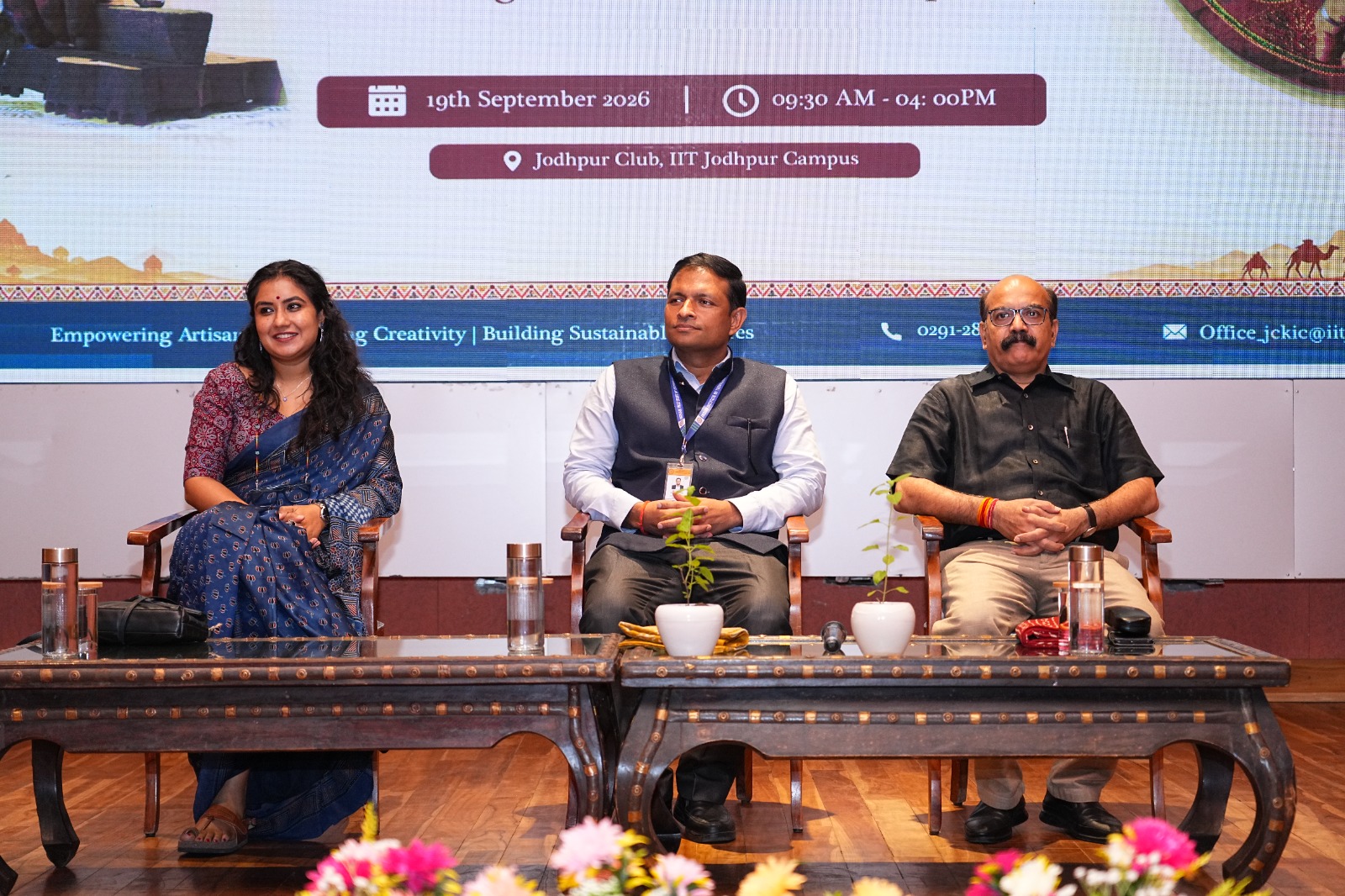
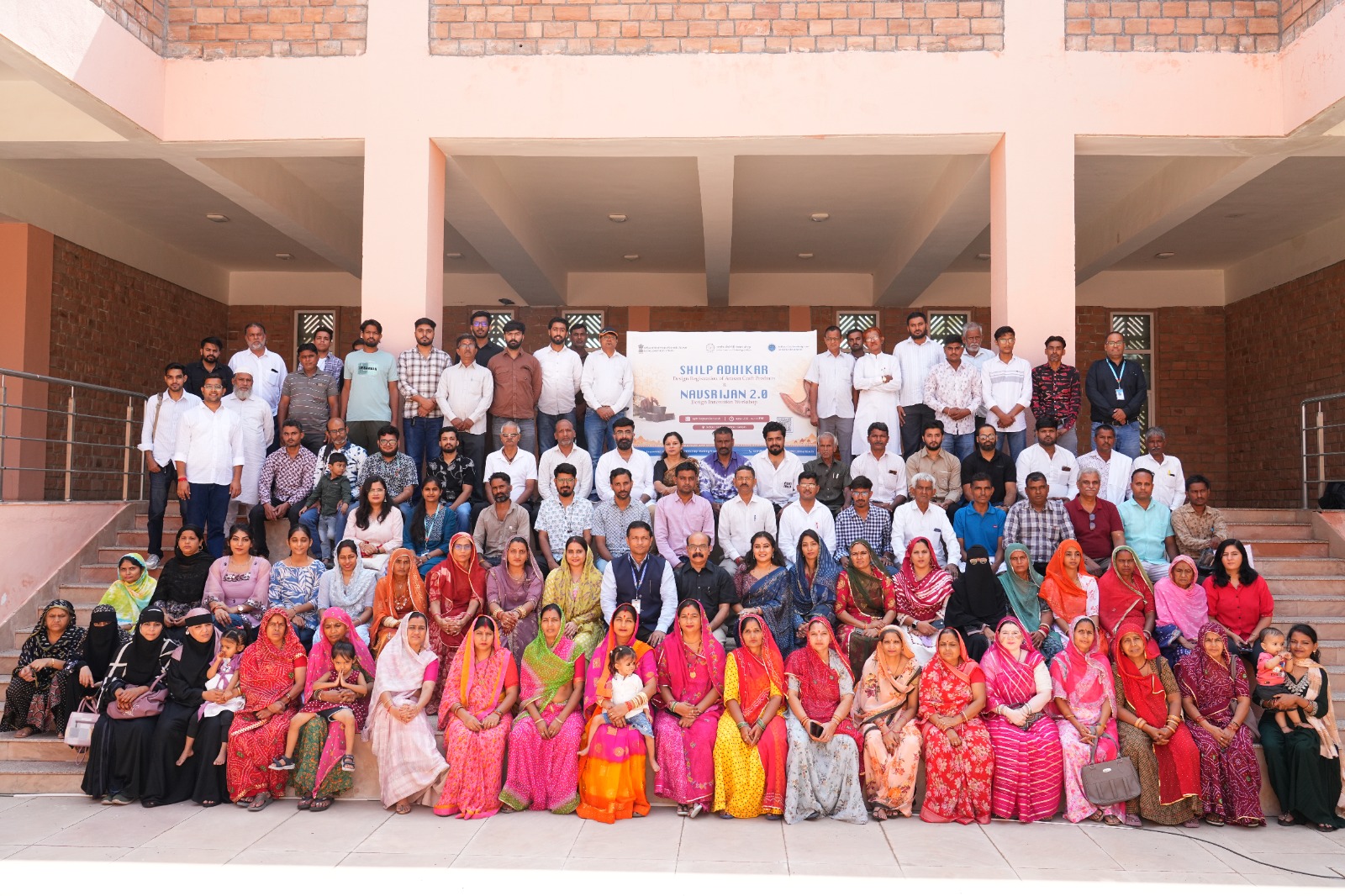
The Jodhpur City Knowledge & Innovation Foundation (JCKIF), IIT Jodhpur, under the Jodhpur City Knowledge & Innovation Cluster (JCKIC), successfully concluded the ‘Shilp-Adhikar & Navsrijan 2.0’ Workshop. The one-day workshop brought together around 100 artisans, faculty members and design experts to explore ways of strengthening traditional crafts through design protection, innovation, product development, branding and market-oriented interventions.
The initiative comprised two complementary components—Shilp-Adhikar, focused on Intellectual Property Rights (IPR) and design registration, and Navsrijan 2.0, aimed at promoting contemporary design approaches to traditional crafts. As part of Shilp-Adhikar, artisans’ craft-product designs were taken forward for design registration, providing an important step towards recognition and protection of their creative work.
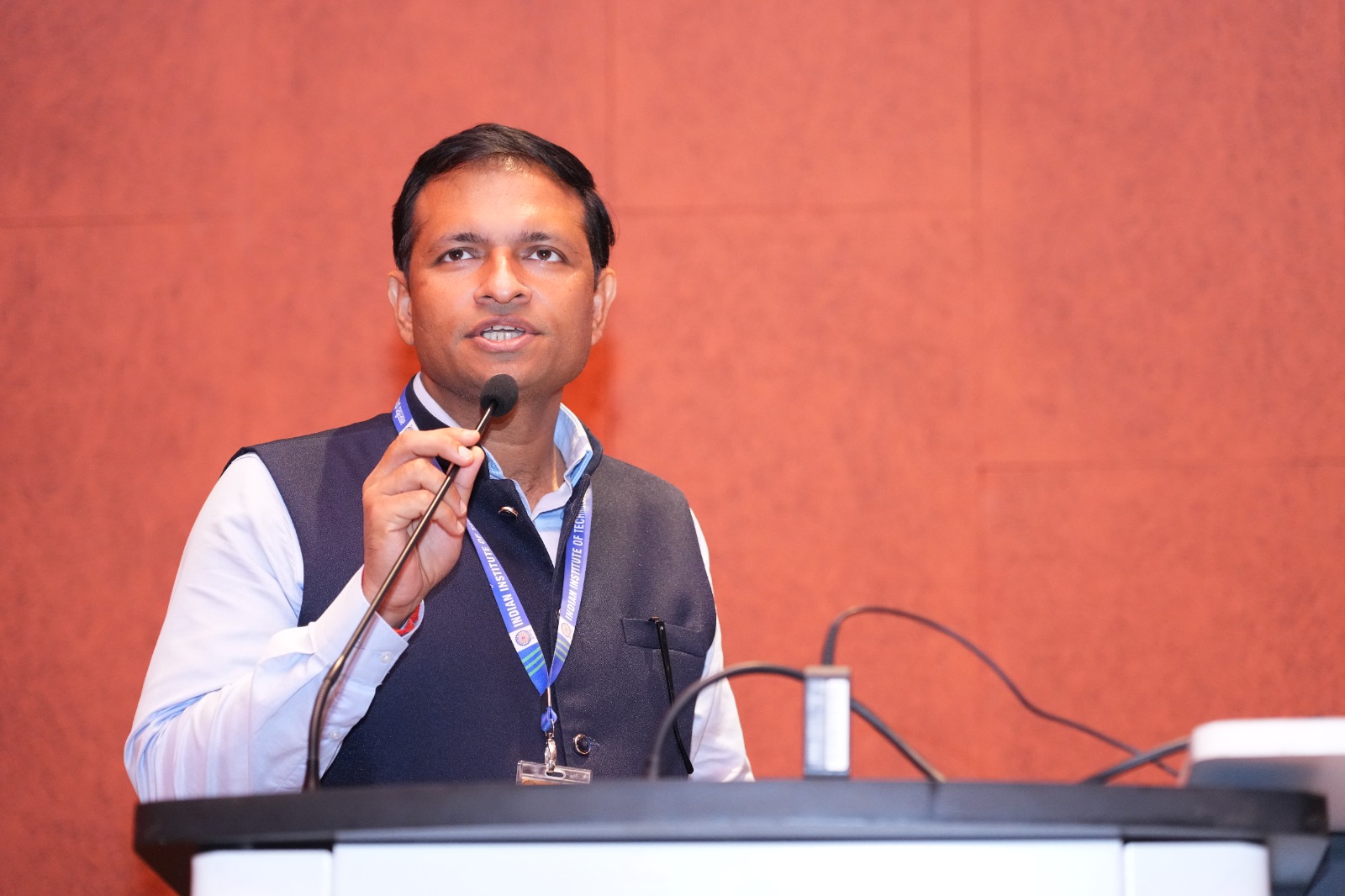
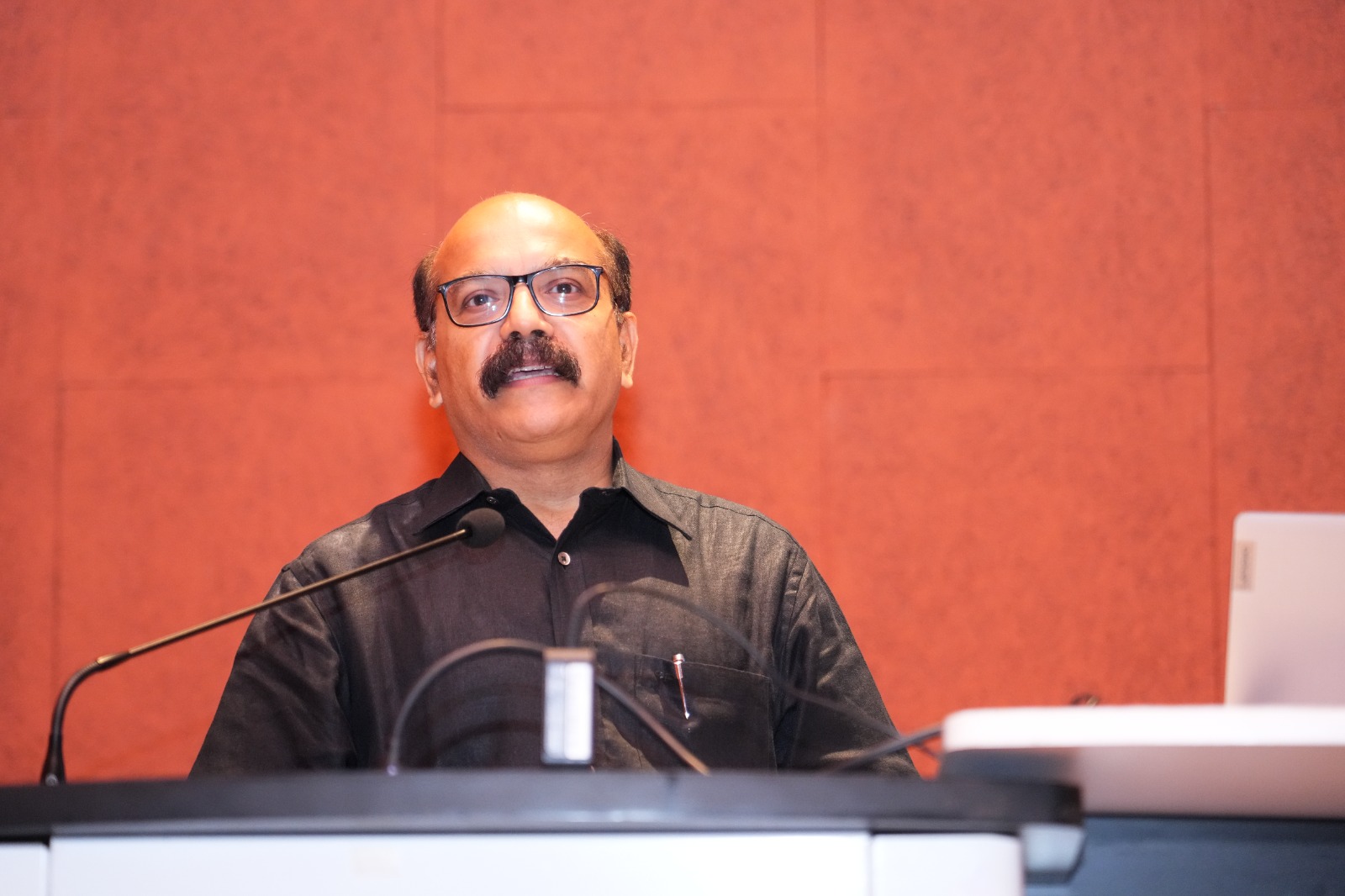
The programme was conducted under the leadership of Prof. Avinash Kumar Agarwal, Chairman, BoDs, JCKIF & Director, IIT Jodhpur, and the Office of the Principal Scientific Adviser (PSA), Government of India. The inaugural session featured remarks by Dr. Akanksha Choudhary, FIC, JCKIF and Head, Department of Economics, IIT Jodhpur, who highlighted the importance of empowering artisan communities through knowledge, innovation and access to evolving markets. Prof. Shree Prakash Tiwari, PI, JCKIC 2.0 and Dean Administration, IIT Jodhpur, emphasised strengthening the connect between traditional knowledge, innovation and contemporary opportunities, while Prof. Sunil Kumar Khijwania, Dean R&D, IIT Jodhpur, highlighted the role of research, technology and innovation in creating sustainable opportunities for traditional crafts.
The workshop featured expert-led masterclasses by IIT Jodhpur and NIFT Jodhpur on IPR and Design Protection; Design Innovation in Traditional Crafts; Branding, Storytelling & Product Value Creation; and Market Linkages, Craft Upliftment and Preservation. These sessions addressed contemporary design, product presentation, brand identity, market access and sustainable livelihoods.
The workshop provided artisans an opportunity to engage directly with experts, exchange ideas and explore ways to adapt traditional craftsmanship to contemporary consumer needs while retaining its cultural identity. The initiative emphasised bringing together science and technology, design, intellectual property, entrepreneurship and traditional knowledge to build a stronger and more sustainable craft ecosystem.