Posted On:
25 SEP 2026 2:42PM by PIB Bhubaneswar
A media delegation from Odisha, led by the Press Information Bureau (PIB), Bhubaneswar, visited the ICMR-National Institute of Health Research (ICMR-NIHR) Dibrugarh, getting a close look at the scientific efforts underway to tackle some of the Northeast’s most pressing public health challenges.
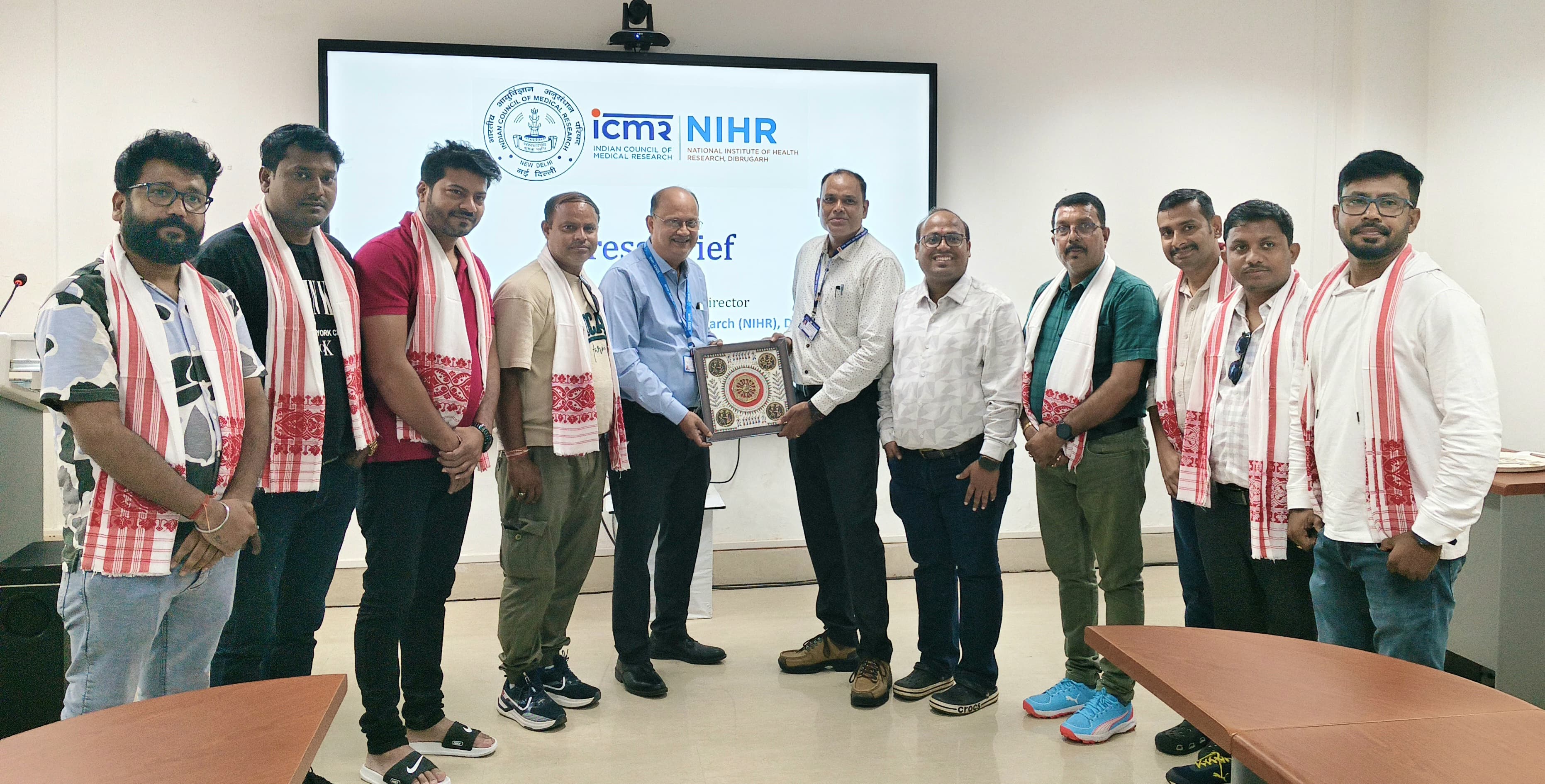
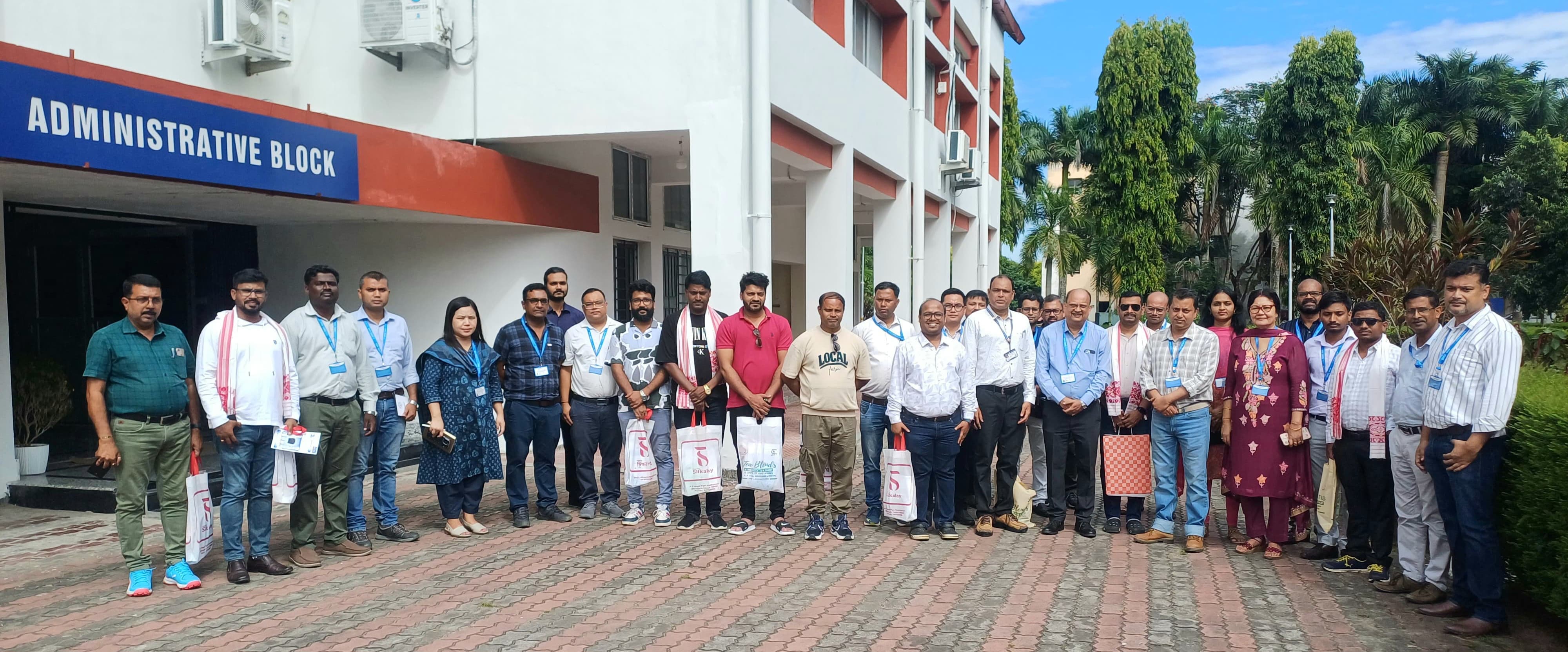
The journalists interacted with Dr Suman Kanungo, Director, ICMR-NIHR, and a team of scientists, researchers and public health experts, who explained the institute’s work in disease surveillance, biomedical research, advanced diagnostics and community-based health interventions. The interaction offered the media a glimpse into how research laboratories are translating scientific breakthroughs into solutions for communities, particularly in the geographically and epidemiologically diverse northeastern region.
Established on July 12, 1982, ICMR-NIHR has emerged as a key centre for biomedical research, epidemiological surveillance and public health interventions in the Northeast. Its network of regional centres extends across Assam, Arunachal Pradesh, Meghalaya, Mizoram, Nagaland and Tripura, with a new centre approved for Senapati district of Manipur. The institute is also strengthening its research infrastructure, with a specialised biomedical research facility proposed in Guwahati and another facility planned in Tripura.
During the interaction, scientists highlighted the institute’s work on Acute Encephalitis Syndrome (AES), Japanese Encephalitis (JE) and rickettsial infections, areas that have significant public health implications in the region. The institute also played an important role during the COVID-19 pandemic. Its regional laboratory processed around 3.9 lakh RT-PCR samples, contributing to the expansion of testing capacity at a critical time.
One of the major recent developments highlighted before the media delegation was the institute’s contribution to tuberculosis diagnosis. In 2025, ICMR-NIHR transferred an indigenously developed CRISPR-Cas-based TB diagnostic platform to an Indian commercial manufacturer, opening the way for wider access to rapid and high-accuracy testing. The development is particularly significant in the context of India’s efforts under the National Tuberculosis Elimination Programme, where early and accurate diagnosis remains central to disease control.
Scientists briefed the journalists on community-based interventions aimed at addressing lifestyle-related diseases and other health concerns. One notable intervention in tea gardens in the region helped bring down the prevalence of hypertension among tea plantation workers from 60.8% to 30%, demonstrating the potential of targeted community health programmes.
The institute has also been involved in malaria-related interventions and research on a wide range of health issues, including nutrition, cancer epidemiology, anaemia and haemoglobinopathies across the eight northeastern states.
For the visiting journalists from Odisha, the interaction provided an opportunity to understand the connection between scientific research, public communication and grassroots healthcare—particularly how evidence generated in laboratories can be translated into interventions that directly affect communities.
********
Swadhin Shakti Prasad/Manoj Kumar Jali