Posted On:
25 SEP 2026 7:57PM by PIB Jammu and Kashmir
As part of a special exposure tour conducted by the Press Information Bureau (PIB), a media team from Bhopal visited the Chenab and Anji Rail Bridges in Reasi to gain first-hand information about the engineering, construction and technological features of these major railway infrastructure projects. The delegation was briefed on the engineering features, safety systems and technical specifications of the infrastructure projects.
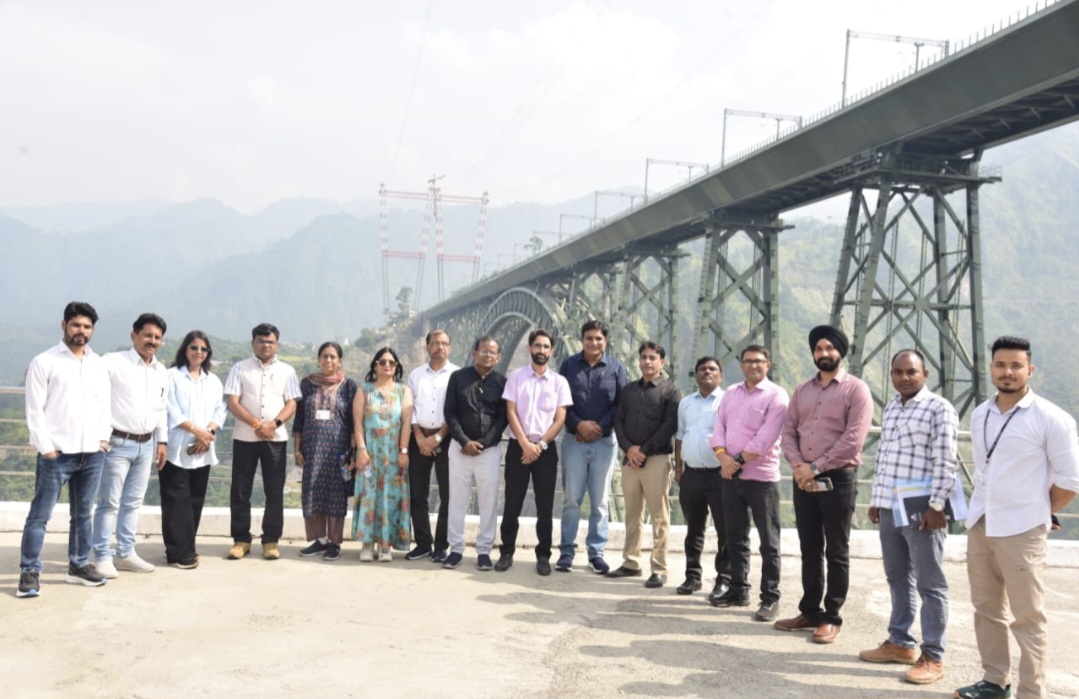
During the visit to the Chenab Rail Bridge, Senior Engineer Shri Supreet Singh Rana briefed the visiting media personnel about the structural and engineering features of the bridge. He informed the delegation that the Chenab Bridge is the world’s highest railway arch bridge, standing at a height of 359 metres from the river bed to the formation level. The bridge has a total length of 1,315 metres and has a codal life of 120 years.
Shri Rana informed the media team that the bridge has been engineered for train operations at a speed of 100 km per hour and is located in Seismic Zone V, requiring the structure to meet stringent seismic design requirements. He further stated that the bridge has been designed to withstand wind speeds of up to 266 km per hour.
He also briefed the delegation about the safety features incorporated into the bridge, stating that it has a DRDO-certified blast-proof design capable of withstanding a blast equivalent to 40 kg of TNT. He explained that the design and construction of the bridge involved various engineering considerations in view of the challenging terrain and the deep Chenab gorge, with structural and safety measures incorporated to support long-term railway operations.
Earlier, the delegation visited the Anji Rail Bridge, where Supreet Singh Rana, Senior Engineer, briefed the media team on its design and technical features. The Anji Bridge is the first cable-stayed railway bridge of Indian Railways. The asymmetric cable-stayed bridge has a total length of 725 metres and stands at a height of approximately 331 metres above the water level.
Sh Rana informed the delegation that 96 cables have been installed on the bridge and that its design has been optimised to account for wind loads. Constructed at an approximate cost of ₹580 crore, the bridge is equipped with systems for structural monitoring, including 189 instruments dedicated to continuous bridge health monitoring.
He further informed the media team that 25-axle weight-bearing load testing of the Anji Bridge had been completed successfully. The bridge forms an important component of the railway connectivity being developed towards the Kashmir Valley and is an essential link in strengthening rail connectivity with the Valley.
Senior PRO, Northern Railway Ms. Nidhi Pandey was also present during the visits to both railway bridges. She accompanied the delegation throughout the tour and briefed the media personnel on various technical, operational and administrative aspects associated with the two infrastructure projects.
The visit provided the media team an opportunity to understand the engineering features, safety measures and technological systems incorporated into these major railway infrastructure projects and their role in strengthening connectivity in Jammu & Kashmir.
Following the visits to the bridges, the media delegation proceeded to the Salal Hydroelectric Power Station. Sanjay Kumar Jain General Manager Salal Hydropower project, briefed the media personnel on the technical and operational aspects of the dam.
He detailed that the Salal Dam is a run-of-the-river hydropower project built on the Chenab River in the Reasi district of Jammu and Kashmir. Operated by the National Hydroelectric Power Corporation (NHPC), the power station boasts a total installed capacity of 690 MW. This is divided into two stages: Stage-I of 345 MW and Stage-II of 345 MW, utilizing a total of six 115 MW Francis-type turbines.
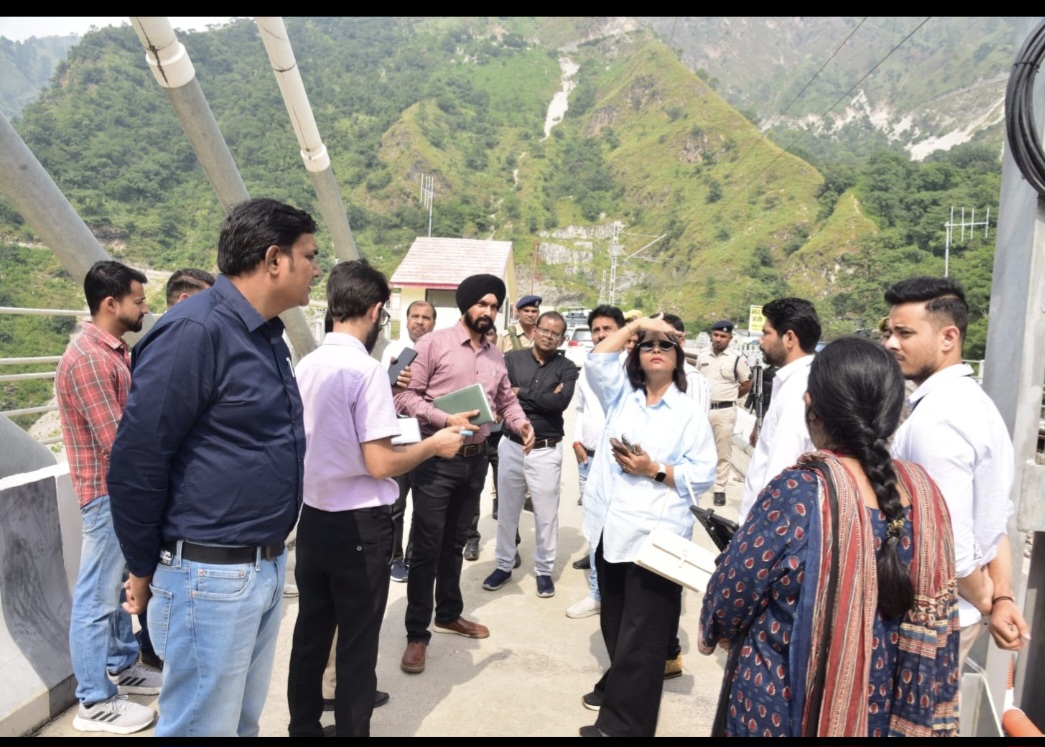
The visiting media learned that the project encompasses a 113-meter high and 487-meter long concrete gravity dam, along with a 118-meter high and 630-meter long rockfill dam. Shri Jain highlighted the historical significance of the project, noting that Stage-I was commissioned in 1987 and Stage-II was commissioned in stages between 1993 and 1995. The power station serves as a critical source of clean energy, generating a target of 3082 million kWh annually for the Northern Grid.
Deputy General Manager (HR), Shri Sanjeev Kumar; DGM Electric, Shri Ajay Singh, DGM Mechanical, Shri Manish Kumar and other senior officers of NHPC were also present on the occasion.
With this, the five-day media exposure tour organised by the Press Information Bureau (PIB), Jammu, concluded successfully. It provided participating journalists an opportunity to gain firsthand insights into key development projects, scientific institutions and strategic installations in the region.
During the tour, the media delegation visited several important projects and institutions, including the Delhi-Amritsar-Katra Expressway, CSIR-Indian Institute of Integrative Medicine (CSIR-IIIM), AIIMS Vijaypur and the Suchetgarh Border Outpost, among others.
The visits provided the journalists an opportunity to understand the progress, significance and impact of various development initiatives, as well as to interact with officials and gain a closer perspective of the work being undertaken in the region.
At the conclusion of the tour, members of the delegation expressed their gratitude for being part of the exposure visit and appreciated PIB Jammu for providing them with the opportunity to witness and understand these initiatives firsthand.
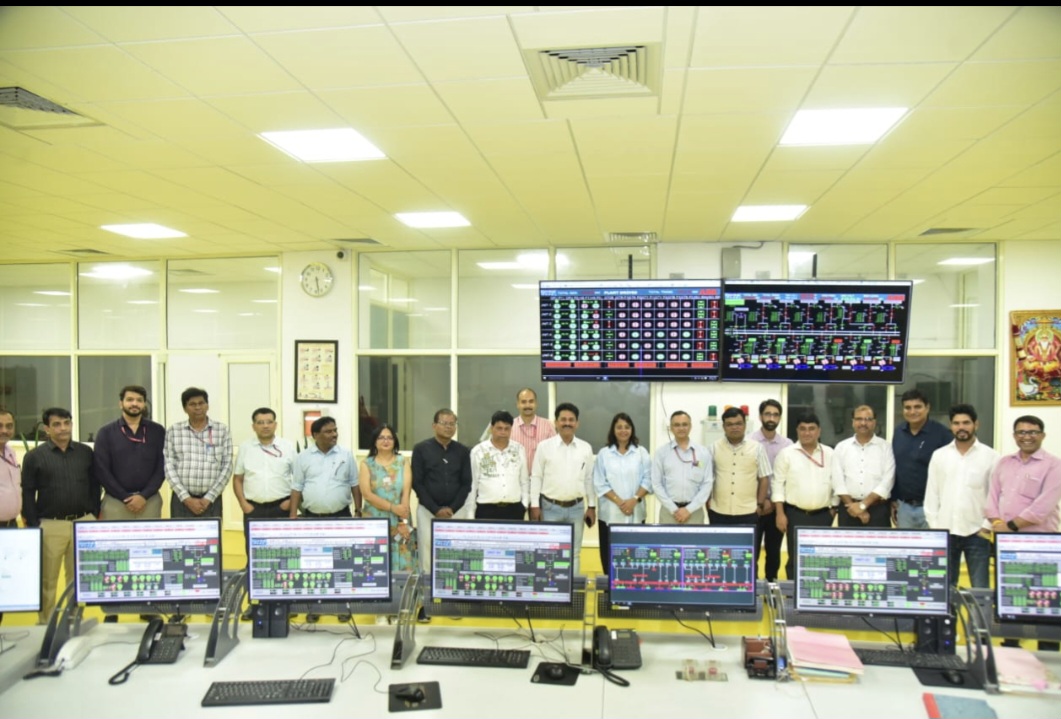
The exposure tour served as a platform for facilitating greater interaction between the media and various institutions involved in the region's development, while enabling journalists to disseminate informed and comprehensive stories to the public.
******