Ministry of Health and Family Welfare
National Voluntary Blood Donation Day 2026 Observed with Renewed Call for Regular Voluntary Blood Donation
Dr. M. Srinivas Calls for Concerted Efforts to Strengthen Voluntary Blood Donation and Promote Optimal Use of Blood Components
State Blood Transfusion Councils, NGOs and Organisations Felicitated for Contribution towards Promotion of Voluntary Blood Donation
Posted On:
01 OCT 2026 2:15PM by PIB Delhi
National Voluntary Blood Donation Day (NVBDD) 2026 was observed today at Swarn Jayanti Auditorium, Lady Hardinge Medical College (LHMC), New Delhi, with a renewed emphasis on strengthening the culture of regular, voluntary and non-remunerated blood donation to ensure a safe, adequate and sustainable supply of blood and blood components across the country.
The national observance was organised by the Blood Transfusion Services (BTS) Division, Directorate General of Health Services (Dte. GHS), Ministry of Health & Family Welfare, Government of India, in collaboration with Lady Hardinge Medical College and Associated Hospitals, New Delhi. The theme of NVBDD 2026 was “One Drop of Humanity. Give Blood. Save Lives.”
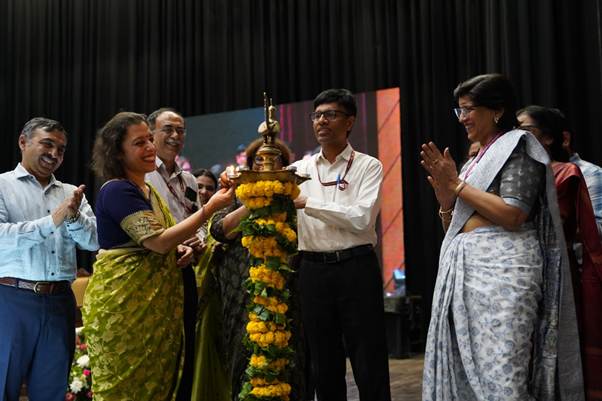
Dr. M. Srinivas, Member (Health), NITI Aayog, presided over the programme and inaugurated the voluntary blood donation camp organised as part of the observance. The programme was attended by Dr. Loveneesh G. Krishna, Director General of Health Services (DGHS); Dr. Himani Ahluwalia, Director, LHMC and Associated Hospitals; senior officials of Health Services; experts in Transfusion Medicine; healthcare professionals; representatives of State Blood Transfusion Councils, blood centres, voluntary organisations and educational institutions; and voluntary blood donors.
The programme commenced with the inauguration of the voluntary blood donation camp. This was followed by a Nukkad Natak and cultural performances by students of Lady Hardinge Medical College to disseminate the message of voluntary blood donation and highlight its importance in saving lives. The programme also included administration of the voluntary blood donation pledge, addresses by dignitaries and felicitation of States, organisations and stakeholders for their contribution towards promotion of voluntary blood donation. The programme concluded with the singing of the National Song followed by the National Anthem.
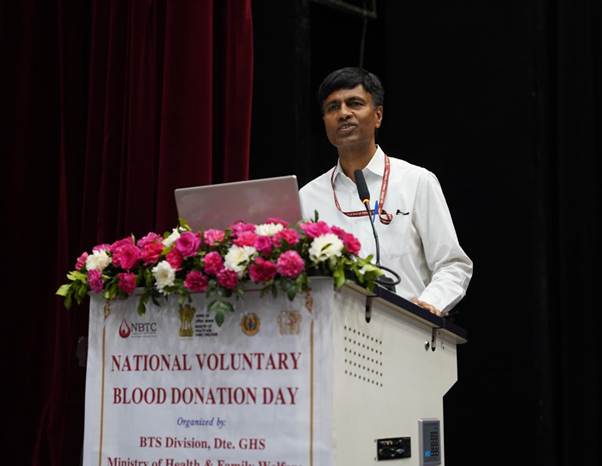
Addressing the gathering, Dr. M. Srinivas highlighted the importance of voluntary blood donation in ensuring an adequate and sustainable blood supply and emphasised the collective responsibility of citizens and stakeholders in strengthening voluntary blood donation.
Dr. Srinivas administered the voluntary blood donation pledge at the outset of his address and called upon citizens not only to donate blood regularly but also to create awareness and encourage greater participation in voluntary blood donation within their communities.
Acknowledging the contribution of blood donation organisations and volunteers towards the nation and humanity, Dr. Srinivas noted that around 75 per cent of blood collection in the country is through voluntary donation. He called for concerted efforts by the Government, healthcare professionals, NGOs, voluntary organisations and youth organisations to further expand voluntary blood donation and address gaps between demand and availability.
He also underscored the importance of rational and optimal utilisation of blood and its components. He called for expanding awareness on blood health beyond blood donation to include related issues such as nutrition and anaemia, particularly among women and adolescent girls.
Dr. Srinivas urged healthcare institutions, voluntary organisations and community groups to take these messages to the grassroots and contribute towards strengthening public awareness about the importance of blood, blood components and voluntary blood donation.
Dr. Loveneesh G. Krishna, Director General of Health Services, acknowledged the contribution of voluntary blood donors, institutions and organisations engaged in strengthening blood transfusion services across the country.
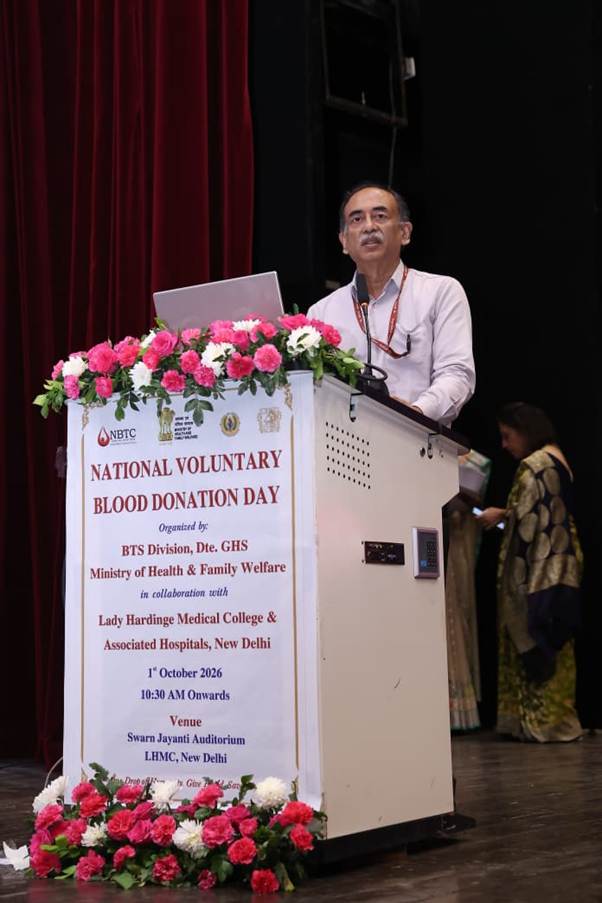
He highlighted various measures undertaken by the Directorate General of Health Services, Ministry of Health & Family Welfare, for strengthening blood transfusion services, including implementation of the National Blood Policy, strengthening of quality assurance and quality management practices, utilisation of the e-RaktKosh portal for donor registration and monitoring, development of national technical guidelines and implementation of Information, Education and Communication (IEC) initiatives.
Dr. Krishna emphasised that systems and infrastructure, while essential, need to be complemented by sustained voluntary participation to ensure adequate availability of blood. He called for strengthening a culture of regular, voluntary and non-remunerated blood donation, with particular emphasis on greater participation of youth.
Highlighting the human dimension of blood donation, Dr. Krishna observed that behind every unit of blood is a patient, behind every patient is a family, and behind every donor is an act of humanity. He called upon all stakeholders to contribute towards strengthening voluntary blood donation and make it an integral part of responsible citizenship.
LHMC Reaffirms Commitment to Safe and Quality Blood Services
Dr. Himani Ahluwalia, Director, LHMC and Associated Hospitals, highlighted the institution’s commitment to its core values of service, education and community responsibility and reaffirmed LHMC’s commitment to ensuring access to safe and quality blood services.
She stated that LHMC provides free treatment and transfusion support to around 700 registered thalassemia patients, making it one of the largest such services among government hospitals in the country.
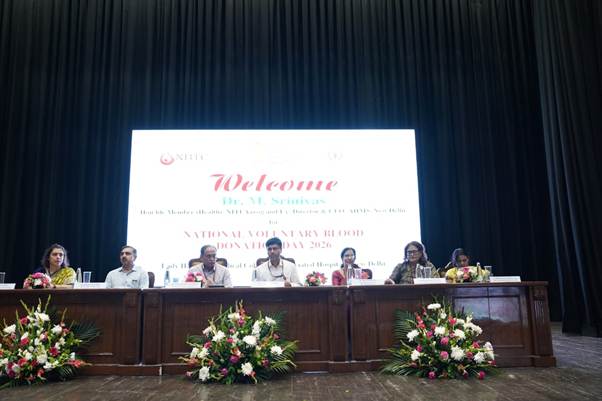
Dr. Ahluwalia further highlighted the various initiatives undertaken by LHMC to promote voluntary blood donation, including regular voluntary blood donation camps, awareness campaigns, street plays and other community outreach activities.
States Recognised for Performance in Blood Collection during 2025
State Blood Transfusion Councils were felicitated during the national observance in recognition of their performance in blood collection during 2025 and their contribution towards strengthening voluntary blood donation.
Among the North-Eastern States, Mizoram secured the first position, followed by Sikkim in the second position.
Among the Union Territories, Chandigarh secured the first position, followed by Delhi in the second position.
Among the remaining States, Haryana secured the first position, Uttarakhand the second position and Punjab the third position.
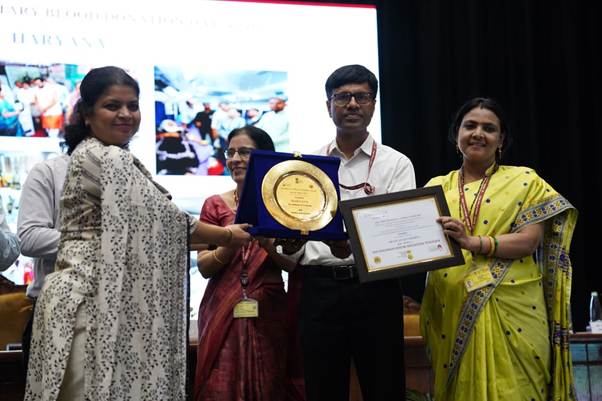
The recognition acknowledges the sustained efforts of State Blood Transfusion Councils towards donor mobilisation, expansion of voluntary donor participation and promotion of voluntary blood donation.
NGOs and organisations making significant contributions towards promotion of voluntary blood donation and strengthening blood transfusion services were also felicitated. These included Thalassaemics India; Akhil Bharatiya Terapanth Yuvak Parishad (ABTYP); All India Radio; and Indian Red Cross Society, among others.
Nationwide Mega Voluntary Blood Donation Campaign
The national observance forms part of the Nationwide Mega Voluntary Blood Donation Campaign, being conducted from 17 September to 2 October 2026 across the country.
The campaign seeks to promote regular voluntary blood donation, strengthen the voluntary donor base and facilitate wider participation of citizens, institutions and communities. State and Union Territory Health Departments, State Blood Transfusion Councils, blood centres, healthcare and educational institutions, government departments, voluntary organisations and community groups are participating in the campaign.
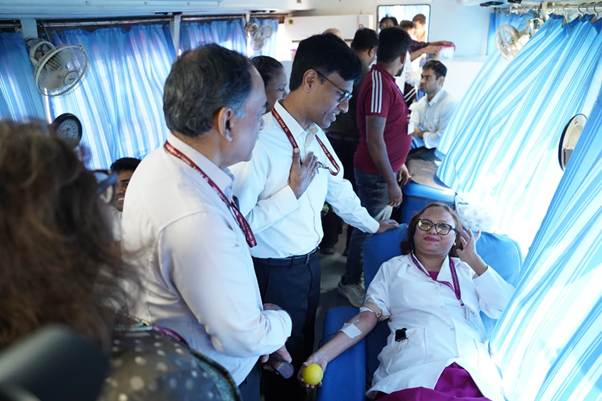
The campaign places particular emphasis on youth participation, grassroots outreach, awareness generation and Jan Bhagidari. The e-RaktKosh portal is being utilised for donor registration and monitoring of blood collection activities. The voluntary blood donation pledge is also being promoted through digital platforms, including MyGov, to facilitate wider citizen participation.
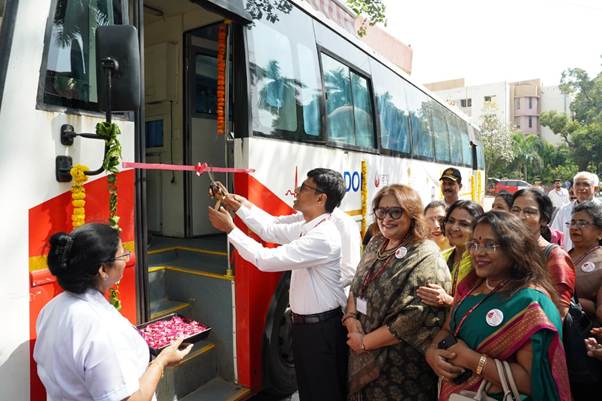
Voluntary Blood Donation: An Essential Public Health Responsibility
National Voluntary Blood Donation Day is observed on 1st October every year to generate awareness about the importance of voluntary blood donation and encourage healthy and eligible individuals to donate blood regularly.
Blood and blood components are required for a wide range of medical interventions, including surgery, trauma care, management of severe anaemia, cancer and blood disorders, maternal care and other life-saving procedures. As blood cannot be manufactured, its availability is dependent upon the voluntary participation of eligible donors.
Regular voluntary blood donation is therefore an important contribution towards ensuring timely availability of blood and blood components for patients in need.
The theme of NVBDD 2026, “One Drop of Humanity. Give Blood. Save Lives.”, underscores the humanitarian spirit of voluntary blood donation and calls upon eligible citizens, particularly youth, to contribute towards this life-saving cause.
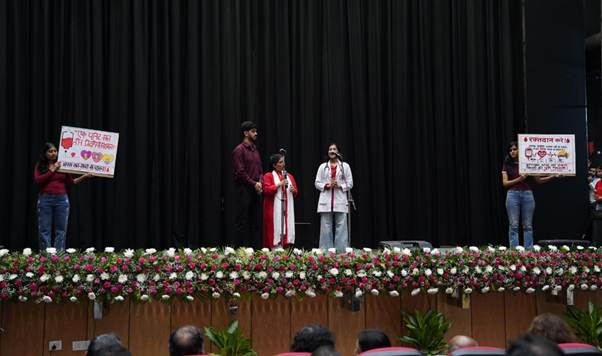
The observance concluded with an appeal to citizens, healthcare institutions, educational institutions, government departments, voluntary organisations and other stakeholders to sustain efforts towards regular, voluntary and non-remunerated blood donation throughout the year.
The Nationwide Mega Voluntary Blood Donation Campaign will continue up to 2 October 2026, with participating States, Union Territories, blood centres and organisations undertaking blood donation drives, donor mobilisation and awareness activities to further strengthen the culture of voluntary blood donation across the country.
*****
SR
HFW/National Voluntary Blood Donation Day 2026/1st October 2026/2
(Release ID: 2317557)
Visitor Counter : 191