Ministry of Education
Your Shop, Your Bike, Your Business: IIT Kharagpur's Solar Smart Cart brings Entrepreneurship Home
Posted On:
17 OCT 2026 5:58PM by PIB Kolkata
Kolkata, October 17, 2026
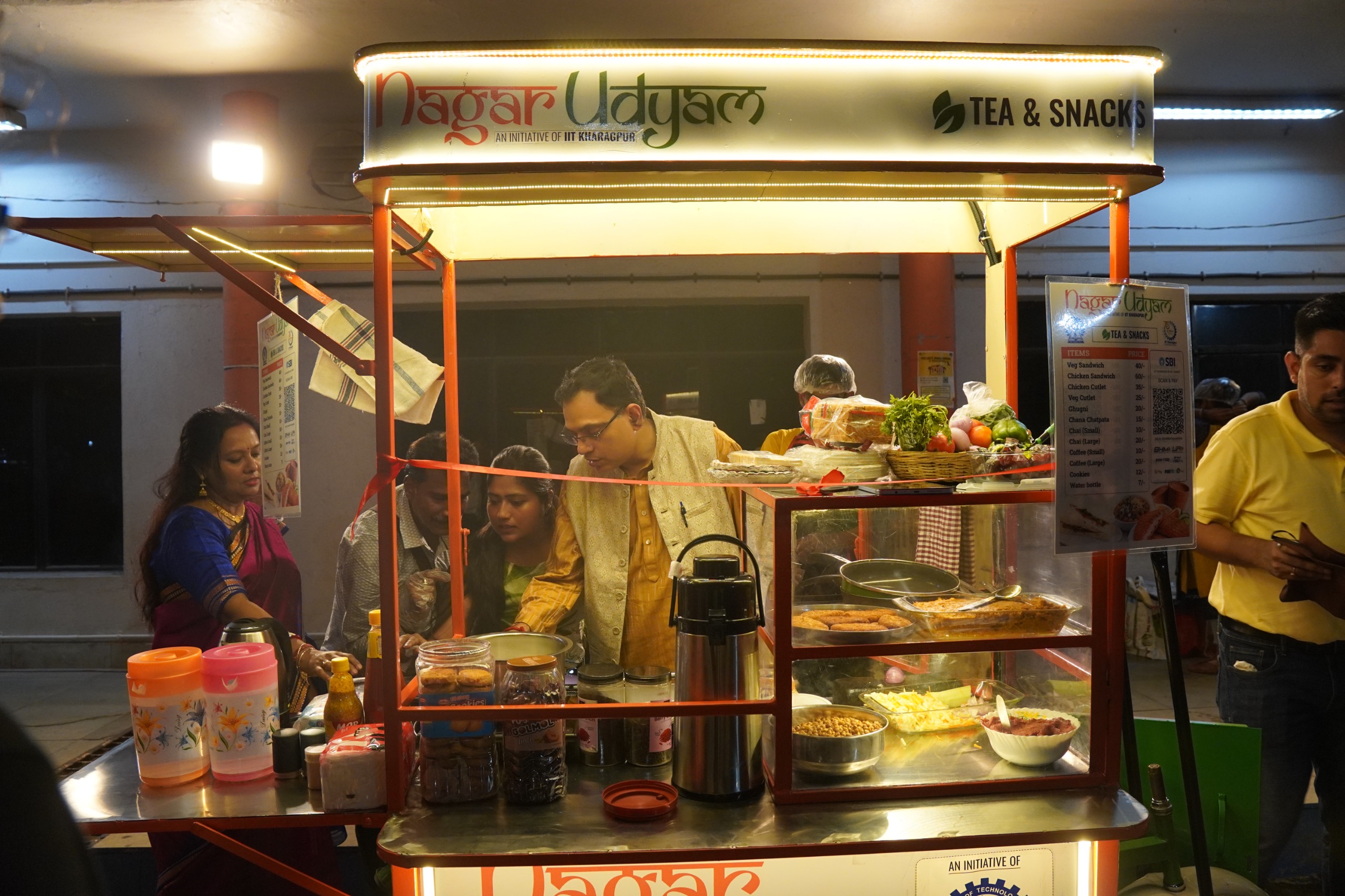
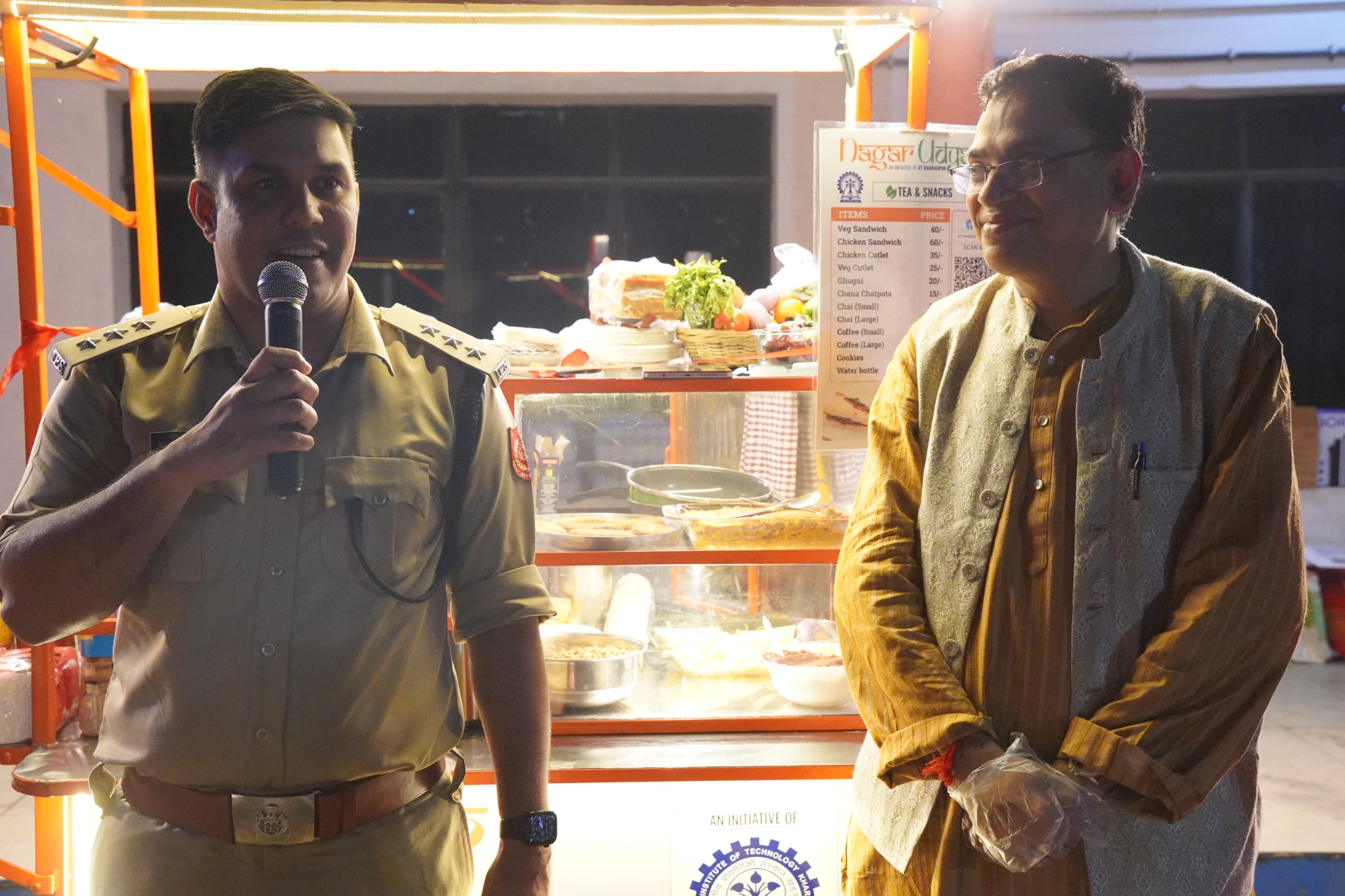
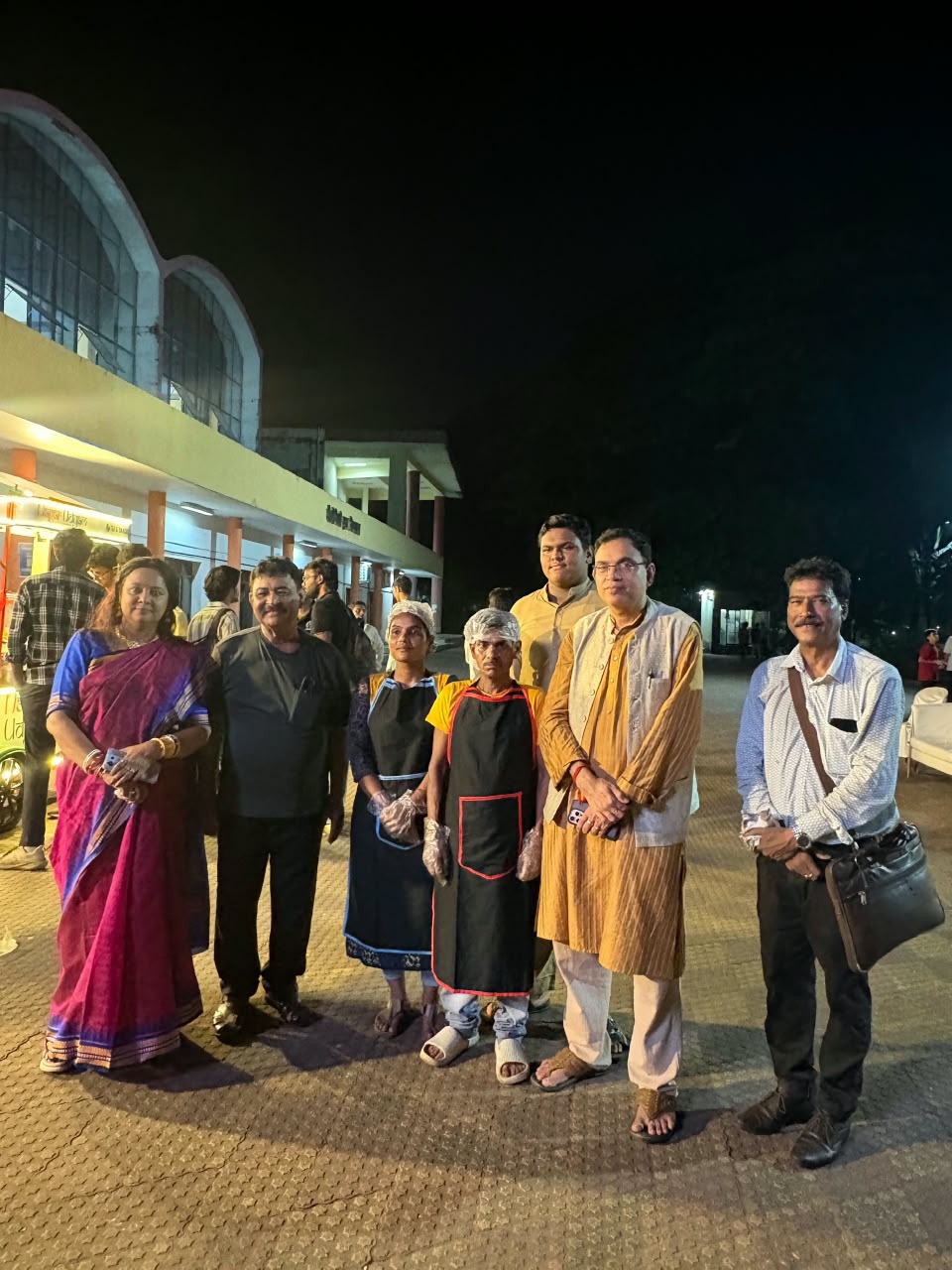
What if starting a business did not require renting a shop, building permanent infrastructure or occupying a roadside space after working hours? What if an entrepreneur could take an entire business home at night and move it towards customers the next morning? IIT Kharagpur is exploring precisely this possibility through Nagar Udyam — From Street Vendor to Smart Entrepreneur, with a Pilot inaugurated on the IIT Kharagpur Campus in the eve of the festive mood of the Durga Puja, in the presence of the Prof. Suman Chakraborty, Director, IIT Kharagpur, Shri Siddharth Singh Dangi, the Sub Divisional Police Officer (SDPO), Kharagpur (Chief Guest) and several other faculty members, staff, students and local small entrepreneurs. Masterminded by Prof. Suman Chakraborty, Director, IIT Kharagpur, at the Technology Students’ Gymkhana on Maha Shashthi, i.e., Friday (October 16, 2026), the initiative is part of the Institute’s Platinum Jubilee commitment to translating design and technology into tangible social and economic opportunities.
NAGAR UDYAM AT A GLANCE
• Business on wheels — Convertible three-wheeler-inspired smart cart; conceived for towing by the owner’s motorcycle.
• Move where demand is — Designed around movement over distances of approximately 30 km, subject to operational and road-safety validation.
• Take it home — Home-storable unit intended to avoid permanent occupation of public road space. Solar + battery — Renewable-energy-enabled essential low-power functions, with compact battery storage.
• SETU digital backbone — QR-enabled identification, cashless payments, training and pathways to financial inclusion.
• Hygiene built in — Protected food display, food-grade surfaces and three-way waste segregation.
• Pilot to scale — Campus demonstration through SETU Cloud Kitchen Connect; longerterm West Bengal replication framework.
The three-wheeler-inspired unit is conceived as a compact vending structure that its owner can tow behind a motorcycle, position at suitable places of concentrated demand and bring home after business hours. A vendor could potentially cater to commuters in one part of the day and to a campus or community gathering later, without being tied to a costly permanent storefront. Its proposed mobility over roughly 30 kilometres offers a route to wider customer access, while actual towing conditions and permissions would be subject to validation. This changes the equation for both livelihoods and urban space. Rather than treating the entrepreneur’s business and pedestrian accessibility as competing priorities, the design aims for flexible, appropriately authorised vending that does not permanently claim a portion of the road.
A compact solar-generation and battery-storage arrangement is intended to power essential low-energy functions. Protected displays, food-grade working areas, improved water and oil management and three-way waste segregation place hygiene and environmental responsibility into the design itself. Equally important is what the wheels cannot show. Through IIT Kharagpur’s SETU Cloud Kitchen Connect, Nagar Udyam aims to link vendors with digital identity, QR-based access, cashless financial transactions, training and better business records. Further envisaged elements include food-safety status access, grievance redressal and data-assisted governance. The physical cart provides the enterprise; SETU is designed to provide its digital backbone.
According Professor Suman Chakraborty, Director, IIT Kharagpur, “Our ambition is not simply to redesign a street cart; it is to redesign the opportunity around the person who runs it. A business that can move with demand, return home at night and connect to clean energy and digital finance can turn an opportunity seeker into a job creator. That is the kind of technology translation IIT Kharagpur stands for.”
The initiative also suggests a fresh approach to public-space management: vending with clearer identification, better food practices, mobility and reduced permanent obstruction. These benefits will depend on practical traffic safeguards, lawful operating locations and coordination with civic authorities.
As stated by Shri Siddharth Singh Dangi, SDPO, Kharagpur, “The best solutions for our streets must protect livelihoods as well as public safety. A mobile, identifiable and responsibly operated vending unit offers an interesting way to reduce permanent obstruction while preserving economic opportunity. The key will be disciplined implementation, safe movement and compliance with local rules.”
IIT Kharagpur will use its campus as an initial test bed through SETU Cloud Kitchen Connect, evaluating food safety, operational efficiency, environmental performance, mobility, vendor experience and consumer response. The pilot stall is also linked with the Institute’s wellbeing initiative, with amounts generated directed towards human-centric development. Evidence from the pilot is intended to inform a prospective West Bengal Smart Street Vendor Framework, covering cart standards, food-safety practices, space management and measurable social outcomes. In this micro-startup vision, someone who cannot afford a permanent shop may still be able to build a business — and, over time, create jobs for others.
*****************************
SSS/Kol/17.10.26
(Release ID: 2324781)
Visitor Counter : 34