Ministry of Personnel, Public Grievances & Pensions
Union Minister Dr. Jitendra Singh Inaugurates Army Mega Medical Speciality Camp in Basantgarh, Udhampur; Emphasises Early Detection of Preventable Diseases and Improved Healthcare Access in Remote Areas
Two-Day Medical Camp Expected to Cover 2,000–2,500 Patients; Feedback Report to Guide Future Healthcare Interventions
Nearly 50% of Cases Related to Ophthalmology; Timely Cataract Treatment Can Prevent Avoidable Blindness: Dr. Jitendra Singh
Weekly Rotational Doctor Visits Proposed Pending Regular Appointments; Patient Register and Referral Mechanism Suggested by the Minister
Minister Appreciates Army, Medical Teams and Civil Administration for Extending Healthcare Services to Remote Communities
Posted On:
18 OCT 2026 6:22PM by PIB Jammu and Kashmir
Union Minister of State (Independent Charge) for Science & Technology and Earth Sciences, and MoS in the Prime Minister’s Office, Personnel, Public Grievances and Pensions, Atomic Energy and Space, Dr. Jitendra Singh, inaugurated the Army Mega Medical Speciality Camp in Basantgarh, Udhampur, emphasising early detection of preventable diseases, regular medical surveillance and improved healthcare access in remote areas.
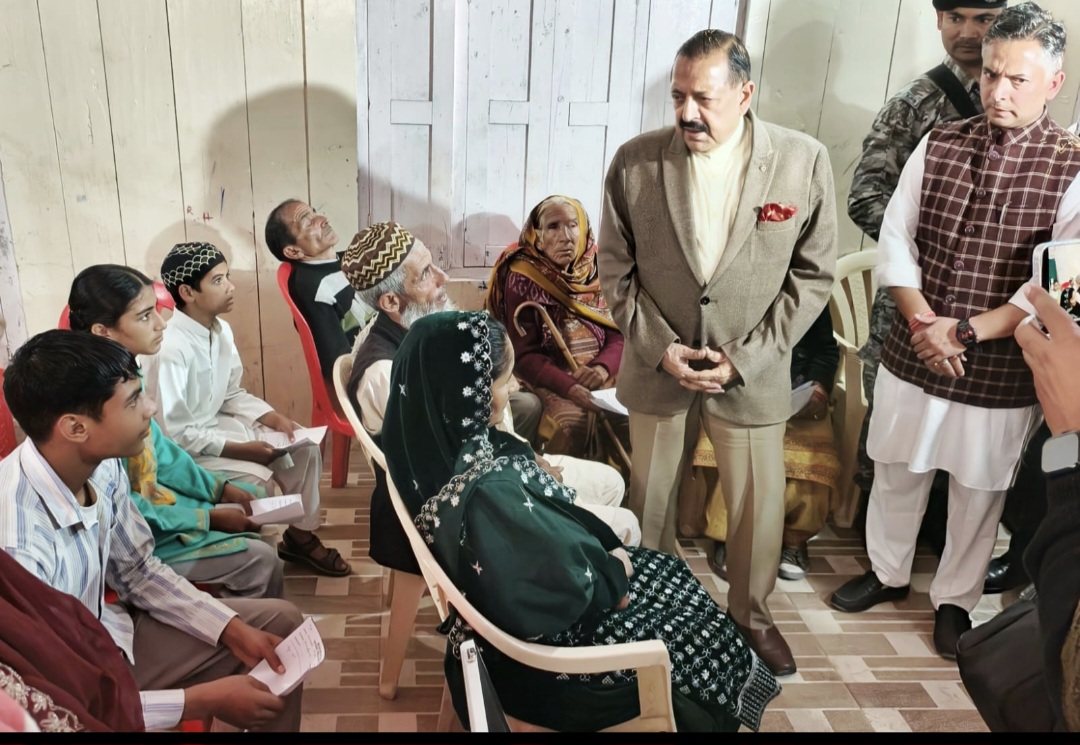
Drawing on the camp’s experience, the Minister proposed preparing a feedback report to identify commonly occurring and preventable disorders and exploring weekly rotational visits by doctors until regular appointments are made. These measures would help strengthen continuity of care and ensure timely medical attention for residents of difficult-to-access areas.
The medical camp, organised with the support of the Army under Northern Command and the civil administration, aimed to provide medical consultations and specialist services to residents of Basantgarh and adjoining remote areas, where access to healthcare facilities can be challenging. Around 1,000 patients were examined on the first day, while another 1,000-1,500 patients were expected to be examined on the second day, taking the projected total for the two-day camp to approximately 2,000-2,500 patients.
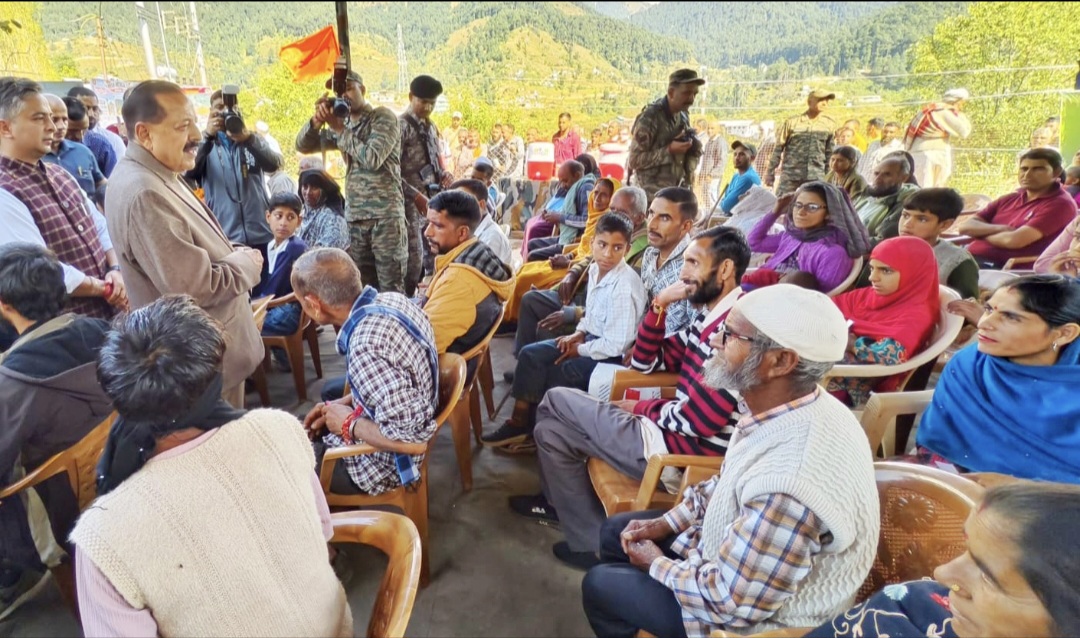
The programme was attended by Dr. Sunil Bhardwaj, MLA from Ramnagar; Shri Ananth Dwivedi, IAS, Deputy Commissioner, Udhampur; Dr. Anil Manhas, Chief Medical Officer, Udhampur; Army officers, doctors and other local representatives.
Dr. Jitendra Singh said the camp’s experience should be documented in a feedback report prepared in consultation with the district administration and health authorities. The report would identify the disorders most frequently encountered in the region, particularly those that can be prevented through timely diagnosis, treatment and awareness. Its findings could guide periodic health surveys, future medical camps and targeted interventions based on local healthcare requirements.
He said such an exercise would help health authorities identify gaps in healthcare delivery and plan appropriate follow-up measures instead of limiting assistance to one-time medical interventions.
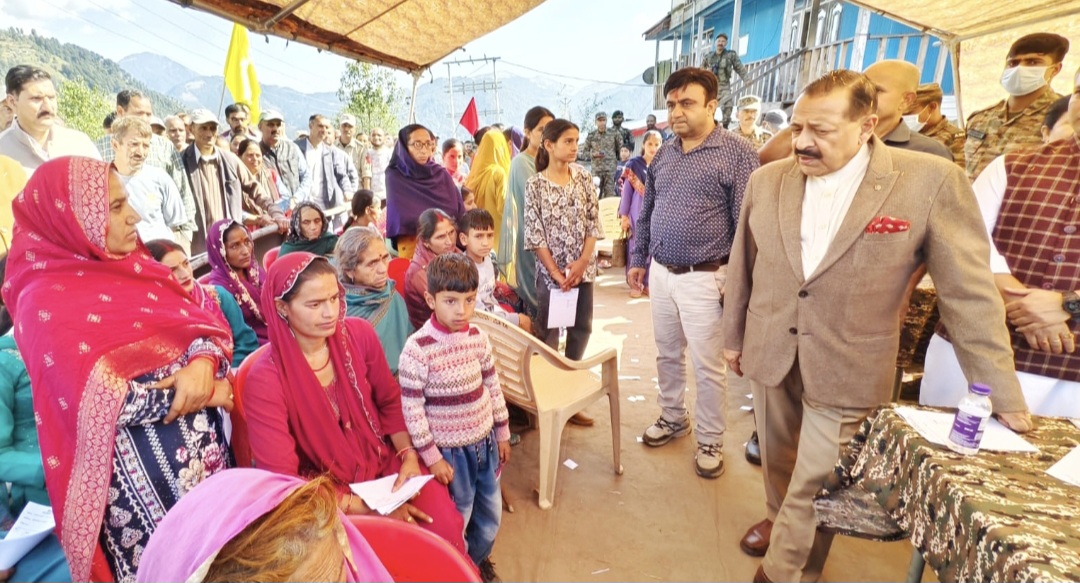
Referring to the cases examined at the camp, Dr. Jitendra Singh said nearly 50 per cent of the cases were related to ophthalmology, with cataract accounting for a substantial proportion of these cases. He said cataract is treatable and that timely diagnosis and intervention can prevent avoidable blindness.
He said the findings should help health authorities plan regular eye screening, ensure timely referrals and facilitate treatment for patients requiring further care. Preventable loss of vision must be addressed through early intervention, particularly in remote areas where access to specialist consultations may be limited.
Pending regular appointments, Dr. Jitendra Singh proposed exploring weekly rotational visits by doctors to Basantgarh. He asked the Deputy Commissioner and the Chief Medical Officer to examine the arrangement and establish a patient register to document cases, track medical requirements and facilitate referrals.
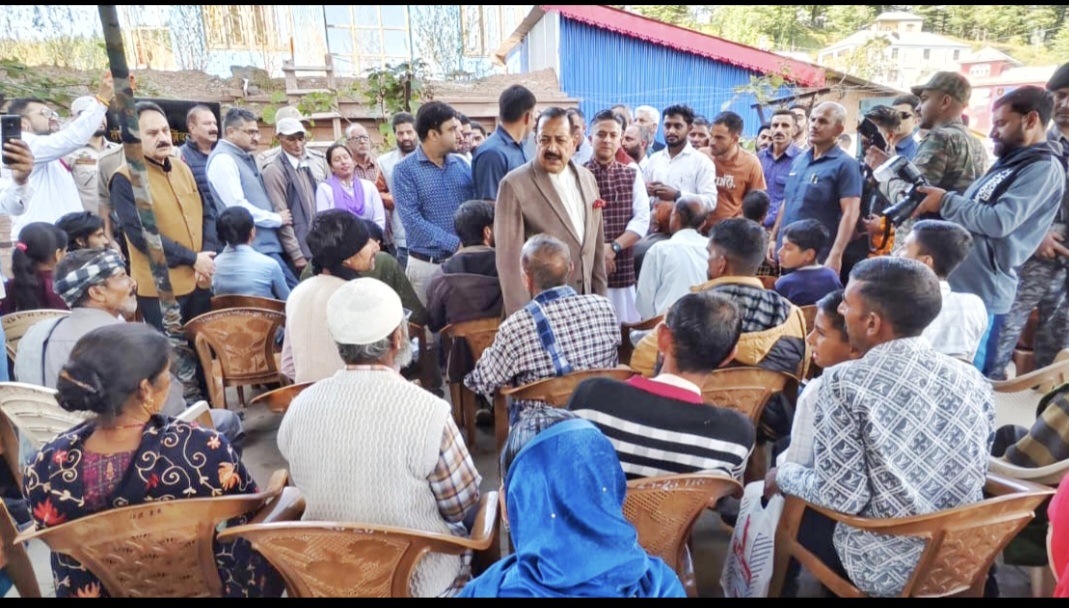
Depending on the nature and severity of their conditions, patients could be referred to hospitals in Ramnagar or Udhampur, while those requiring advanced super-speciality treatment could be referred to an appropriate military hospital. The proposed system would help maintain continuity of care and reduce the risk of patients remaining unattended while awaiting regular medical services.
Dr. Jitendra Singh also suggested brief awareness sessions on hygiene, ear-related disorders and women’s health for people attending the camp. He requested the Army medical team to consider short, practical health talks so that patients could carry essential preventive-health messages back to their families and communities.
The Minister thanked the Army for organising the camp and appreciated the doctors and medical teams for their commitment and hard work in delivering services despite the challenges of conducting a large medical camp in a remote area. He also acknowledged the cooperation of the district administration, health authorities, local representatives and residents.
Dr. Jitendra Singh said the close relationship between the Army and the local population, supported by cooperation with civilian authorities, contributes to residents’ confidence and sense of security. Recalling an earlier instance when local residents had requested the continuation of an Army deployment to sustain public morale despite the situation being under control, he spoke of the mutual trust between the Army and the community.
Describing the medical camp as another example of the Army and civil administration working together for public welfare, Dr. Jitendra Singh expressed confidence that this cooperation would continue to improve access to essential services for people living in remote areas of Udhampur.
*****
(Release ID: 2324925)
Visitor Counter : 38