Ministry of Agriculture &
Farmers Welfare
DARE/ICAR Undertakes Nearly 4,000 Cleanliness Drives under Swachhata Special Campaign 6.0
Nearly 1.3 Lakh Square Feet of Space Freed under DARE/ICAR’s Swachhata Special Campaign 6.0
DARE/ICAR Promotes Cleanliness, Waste Management and Sustainable Practices across Its Nationwide Network
Posted On:
21 OCT 2026 1:33PM by PIB Delhi
The Indian Council of Agricultural Research (ICAR), along with its 114 institutes, Regional Centres, Agricultural Technology Application Research Institutes (ATARIs) and Krishi Vigyan Kendras (KVKs), is participating in the month-long Swachhata Special Campaign 6 from 2nd to 31st October 2026.
Earlier, on 2nd October 2026, DARE/ICAR launched Swachhata Special Campaign 6.0 with cleanliness drives across its establishments nationwide. Officials of ICAR Headquarters participated in the drive at the National Agricultural Science Complex (NASC), Pusa, New Delhi. The initiative reflects a collective commitment to cleaner workplaces, greater public participation and a culture of sustained cleanliness, reinforcing the spirit of Swachhata. A floral tribute was also paid to Mahatma Gandhi on his birth anniversary.
Key highlights of Swachhata Special Campaign 6
Key highlights of Swachhata Special Campaign 6 across establishments include the organization of nearly 4,000 cleanliness campaigns, clearance of approximately 1.3 lakh square feet of space, and generation of around ₹10 lakh in revenue through the disposal of electronic and non-electronic scrap. Efforts are also underway to clear pending matters. Activities include cleanliness drives and Shramdaan in institutional premises, villages, roads and public spaces; Special Gram Sabhas, Swachhata Sabhas and awareness programmes on sanitation, hygiene, waste management and community responsibility; plogging and removal of litter; plantation and greening of Cleanliness Target Units (CTUs), including initiatives under “Ek Ped Maa Ke Naam”; distribution and placement of dustbins; recognition of Safai Mitras, sanitation workers and volunteers; and beautification of cleaned spaces with before-and-after documentation. Other initiatives include sustainable waste management practices, such as vermicomposting of water hyacinth, and the review and weeding out of old files for appropriate disposal and records management.
Key outcomes of the Swachhata Special Campaign 6
The key outcomes of the campaign include strengthened community participation and collective responsibility for cleanliness and sanitation; improved cleanliness of selected institutional and public spaces, documented through before-and-after photographs; and greater awareness of responsible waste disposal through dustbin distribution, waste collection and awareness programmes. The campaign also integrated cleanliness with environmental sustainability through plantation and greening of cleaned areas, recognized the contributions of Safai Mitras, sanitation workers and volunteers, and promoted sustainable practices such as vermicomposting of water hyacinth and the appropriate review and weeding out of old files.
Some of the major highlights of the campaign from DARE/ICAR Institutes are as follows:
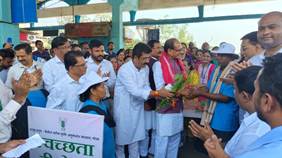
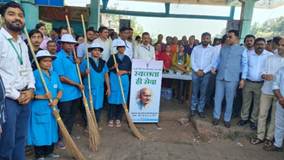
ICAR–Central Coastal Agricultural Research Institute : In ICAR–Central Coastal Agricultural Research Institute (ICAR–CCARI), highlight of the occasion was the Shramik Samman, wherein the Union Minister for Agriculture & Farmers Welfare and Rural Development, Shri Shivraj Singh Chouhan felicitated Safai Mitras of ICAR–CCARI with shawls, bouquets and gifts, as a mark of appreciation for the dedicated services of all Safai Mitras who work throughout the year to maintain a clean and hygienic campus. The programme highlighted the spirit of Swachhata, Seva and Shramik Samman, recognising the invaluable contribution of Safai Mitras towards a cleaner and healthier environment.
|
|
|
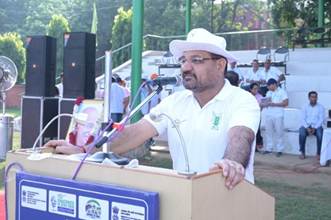
ICAR-Indian Agricultural Research Institute (ICAR-IARI), New Delhi: The ICAR-Indian Agricultural Research Institute (ICAR-IARI), New Delhi, observed Swachh Bharat Diwas on 2nd October 2026 under the theme “Swachhta Mein Sahbhag – Swachh Bharat, Viksit Bharat”, with a series of cleanliness activities across the Institute and a call for sustained participation towards maintaining a clean and healthy institutional environment. In his address, Secretary (DARE) & DG (ICAR), Dr. Mangi Lal Jat, appreciated the cleanliness drive undertaken by ICAR-IARI and called for making Swachhata a year-round activity, with cleanliness programmes being undertaken in a team-based manner. He emphasised that cleanliness and a better workplace environment contribute to the overall well-being of employees and support the advancement of science and the health of people. The importance of team building and creating a positive workplace environment was highlighted, noting its relevance to both institutional functioning and mental well-being. The importance of nurturing students for their holistic development was emphasized, enabling them to grow as responsible professionals and future contributors to science and society. As part of the programme, prizes were distributed to the winners of the painting competition organised by the Post Graduate School Students’ Union, ICAR-IARI, during the Swachhata Abhiyaan. The competition provided students an opportunity to express their ideas on cleanliness and environmental responsibility through art.
ICAR Institutes and establishments have promoted the principles of Reduce, Reuse and Recycle through activities such as Waste to Art, plastic-free initiatives and creative utilisation of waste materials. Emphasis has also been placed on converting waste into useful and aesthetically meaningful products, promoting awareness on responsible waste management and reinforcing the message that waste can be transformed into a resource. As part of the cleanliness drive, non-degradable plastic waste, garbage and unwanted weeds were collected and removed from the premises. The activity helped improve the cleanliness and overall appearance of the campus. The participants were also sensitized and made aware of the importance of maintaining a clean and plastic-free campus and encouraged to contribute towards sustainable cleanliness practices.
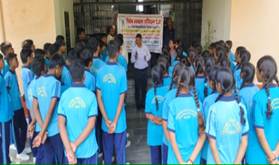
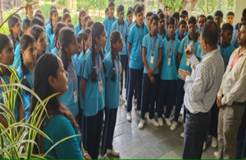
Under Swachhata Special Campaign 6, DARE/ ICAR are continuously working on raising awareness about hygiene among students for their better health. Our present motto is fostering awareness of civic duties and cultivating corresponding habits for a healthy society. Raising of public awareness and promoting the campaign on a large scale is our goal. Some glimpses at ICAR Research Complex For Eastern Region, Patna, Bihar are shown below.
ICAR-Central Research Institute for Dryland Agriculture, Hyderabad, Telangana: in ICAR-CRIDA appearance of the premises are being enhanced along with protection against harmful insects for people visiting or working in the fields. The cleanliness drive is aimed to maintain a clean, hygienic, and environmentally friendly atmosphere within the premises and to create awareness about the importance of cleanliness in agricultural research institutions. Special attention is being given to cleaning the farm surroundings, removing unwanted vegetation, collecting litter and waste materials, and maintaining cleanliness along internal pathways, open spaces, and other common areas. DARE/ ICAR highlights the role of cleanliness in improving workplace efficiency, ensuring the safety of farm personnel, and maintaining the overall appearance of the premises.
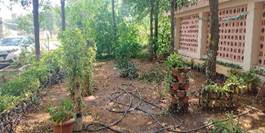
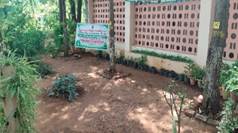
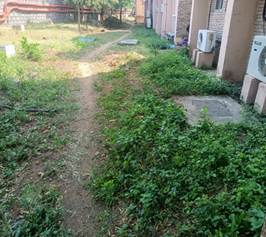
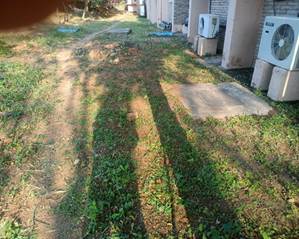
Before Swachhata After Swachhata
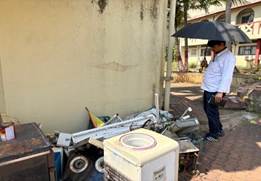
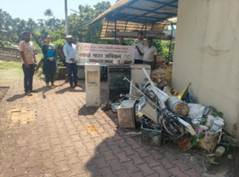
In ICAR-CCARI, Goa, special activity was undertaken for scrap identification from field units to institutionalize Swachhata and minimize pendency by identifying unserviceable and obsolete items for proper disposal. As part of ongoing campaign, a special drive was conducted for the identification of scrap material from guest houses. The scrap like metal items 70 kg, MCB panels 200 kg, fencing wire 100 kg and plastic items 20 kg were identified for disposal. These items were catalogued for further processing under the approved disposal mechanism.
Under Special Campaign 6.0, cleanliness and upkeep of the plantation area at ICAR–Mahatma Gandhi Integrated Farming Research Institute, Motihari, Bihar, were taken up. The activity covered banana plantation rows and adjoining green spaces, with attention to overgrown weeds, unwanted vegetation and scattered litter. Regular removal of such growth and proper waste disposal are essential to keep plantation areas clean, accessible and well maintained. Key focus was plantation-row maintenance; weed and vegetation management; litter clearance and routine sanitation of institutional green spaces.
ICAR-National Bureau of Soil Survey and Land Use Planning, Nagpur
|
|
|
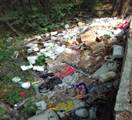
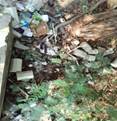
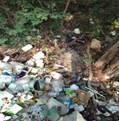
Laboratory waste was collected from various divisions/ sections of the institute and kept in secure location for safe disposal and auction.
|
ICAR-Central Island Agricultural Research Institute
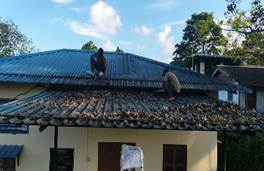
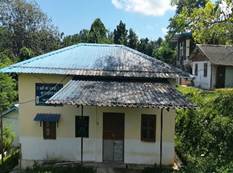
A cleanliness drive was conducted at the Animal Feed Processing Unit of ICAR–CIARI, Sri Vijaya Puram. The activity involved removing accumulated dry leaves, debris, and unwanted vegetation from the roof to maintain cleanliness, ensure proper drainage, and promote regular maintenance of institutional infrastructure under the Swachhata initiative.
Environment-friendly biological waste management activities were undertaken in the cattle, buffalo, goat and pig units of the institute, covering a total of 213 animals (22 cattle, 14 buffaloes, 105 goats and 72 pigs). The livestock sheds were cleaned using a high-pressure jet washer to maintain hygienic housing conditions. The wastewater generated during shed cleaning was collected and reused for irrigation of fodder plots, promoting water conservation and resource recycling. Livestock urine was collected and utilized for fodder irrigation to facilitate nutrient recycling. Animal dung from all livestock units was collected and transported to the vermicompost unit for conversion into organic manure. These activities promote efficient utilization of biological wastes, reduce indiscriminate waste disposal, conserve water and nutrients, and support sustainable livestock farming and fodder production. Thus, the initiative represents an integrated, environment-friendly approach to livestock waste management and a circular bio-resource utilization system.
ICAR-IIFSR, Modipuram, Meerut
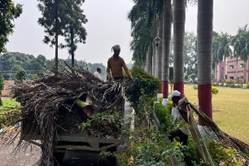
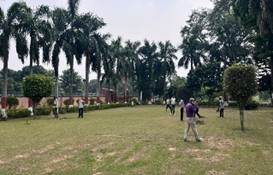
The cleanliness drive involved collecting, organizing, and loading dry garden waste into a cart for disposal. The collected waste included dry leaves and large palm fronds, helping to maintain cleanliness in the park and the surrounding areas of the Institute.
ICAR-Research Complex for NEH Region, Umiam, Meghalaya
As theme of this year’s campaign was disposing of electronic waste, efforts were made to collect, segregate and dispose these items to authorised recyclers, refurbishers and developers for earning maximum revenue.
ICAR-National Meat Research Institute, Hyderabad
For wider dissemination and outreach, ICAR Headquarters has issued Press releases on activities undertaken under the campaign, while ICAR institutes and establishments have publicized their activities through local print media, banners and other communication channels. At both Headquarters and institutional levels, the campaign and its activities are also being disseminated through social media platforms, including Facebook, X and Instagram, thereby extending the message of Swachhata beyond the ICAR network to wider and more diverse audiences, particularly digitally engaged audiences and the younger generation.
***
SS/MS
(Release ID: 2325852)
Visitor Counter : 156