Posted On:
29 OCT 2026 7:55PM by PIB Delhi
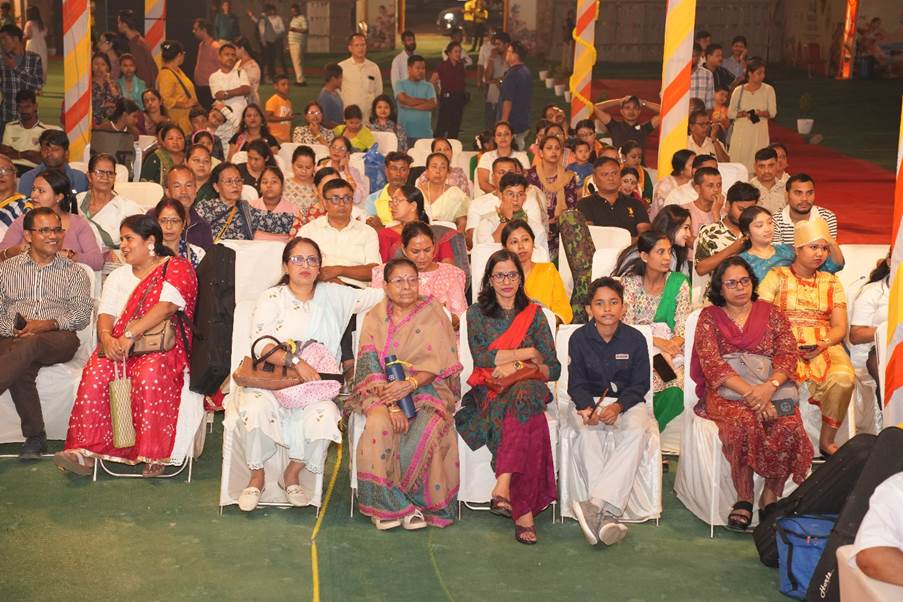
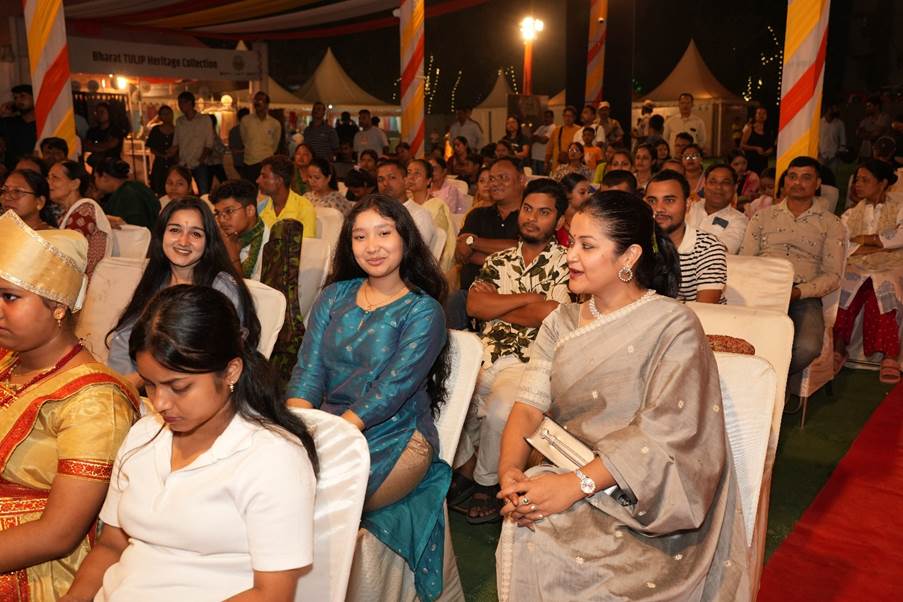
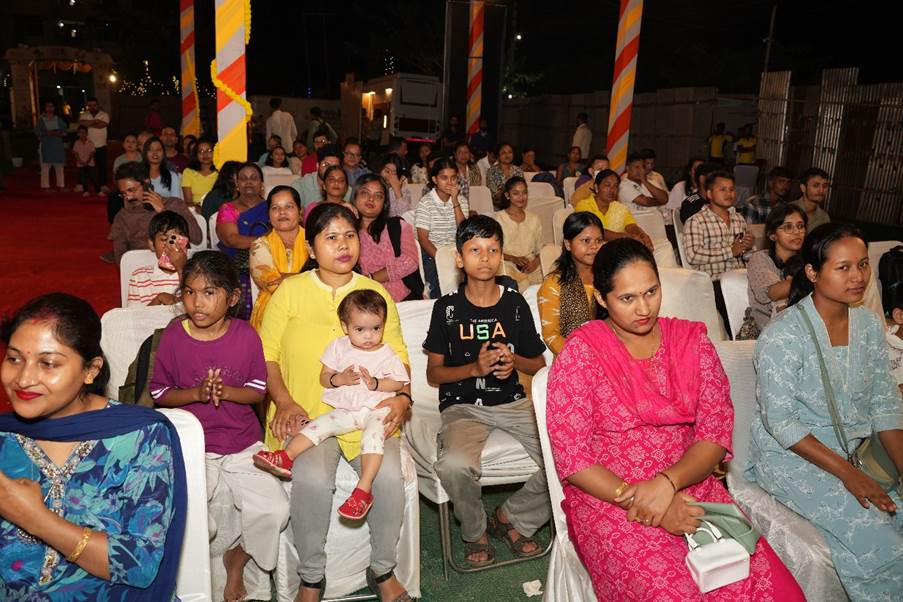
The eight-day Shilp Samagam Mela 2026 organized at Farm Gate, Khanapara, Guwahati in the State of Assam, came to a successful conclusion, drawing widespread appreciation from visitors, local communities and participating artisans.
Organised by the Ministry of Social Justice and Empowerment, Government of India, the Mela provided a vibrant platform for traditional craftspeople to showcase their heritage, establish direct customer linkages and enhance their socio-economic self-reliance.
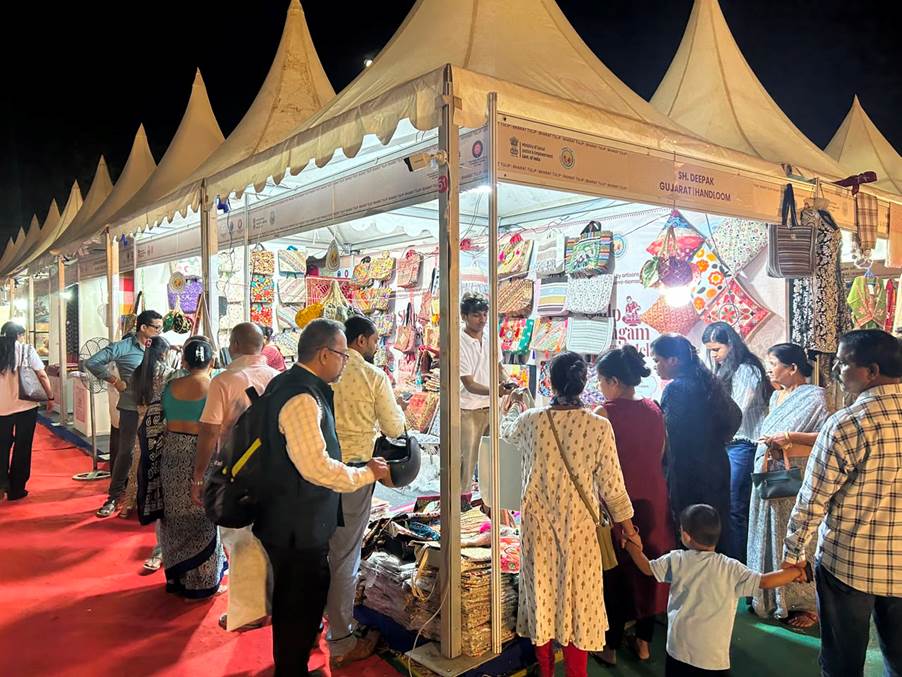
The Guwahati edition marked the second event in the Shilp Samagam Series for the financial year 2026–27, following the successful conclusion of the opening edition on October 19, in Mysuru, Karnataka.
A Senior Official in the Ministry said the eight-day event successfully achieved its core objectives of fostering entrepreneurship, expanding market reach, and providing sustainable livelihood opportunities for artisans belonging to target groups, including Scheduled Castes, Other Backward Classes, Safai Mitras, and Denotified Tribes.
A total of 75 artisans, including 31 women artisans, participated in the Guwahati Mela, offering visitors access to approximately 40 distinct varieties of handloom and handicraft products.
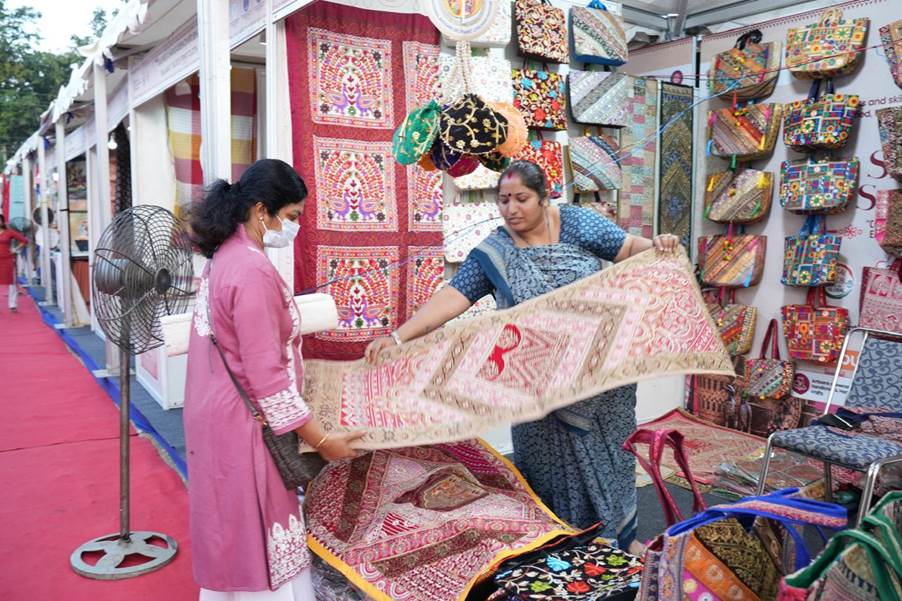
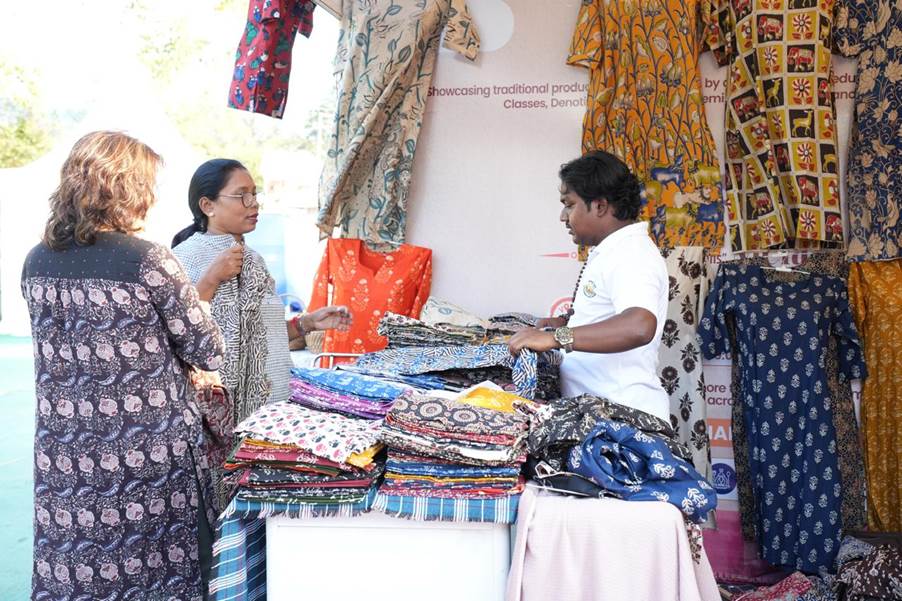
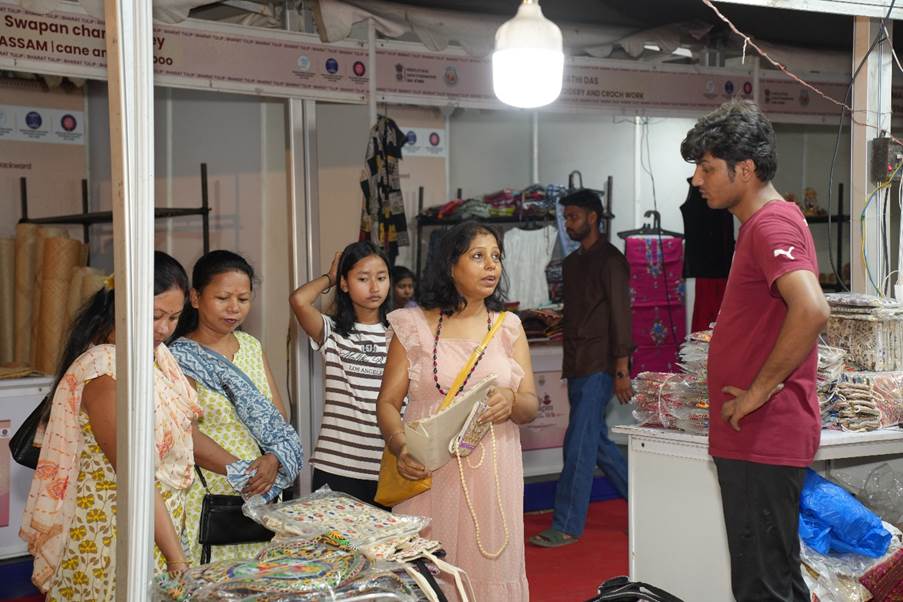
The displays featured regional craftsmanship from the North-Eastern States alongside traditional arts from across the nation, including Assamese Mekhela Chadar, cane and bamboo craft, block-printed fabrics, embroidery, leather craft, and handloom textiles.
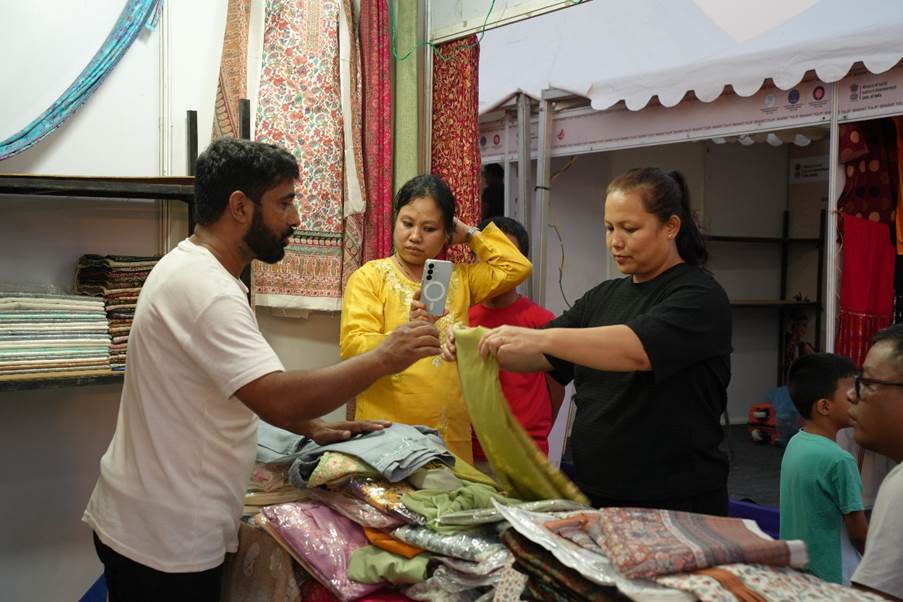
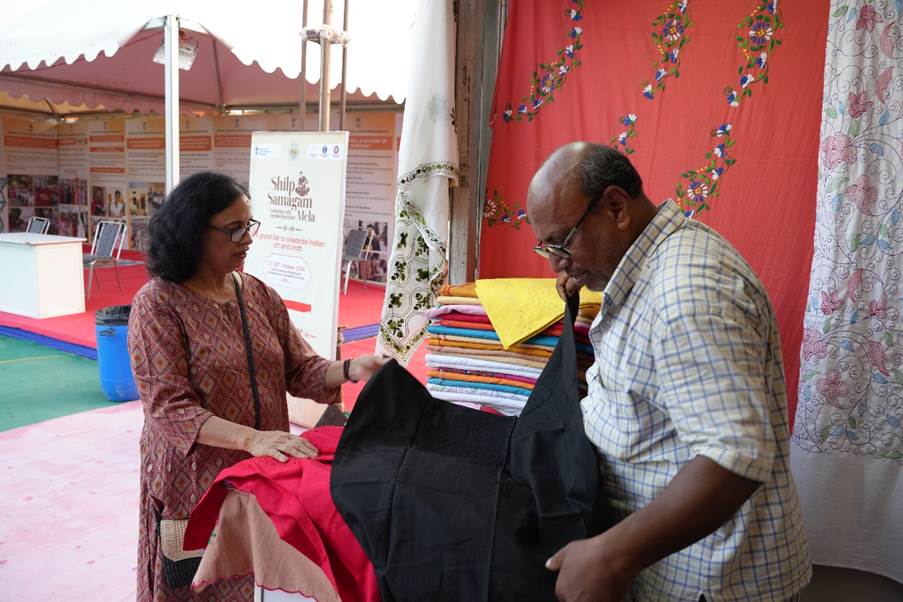
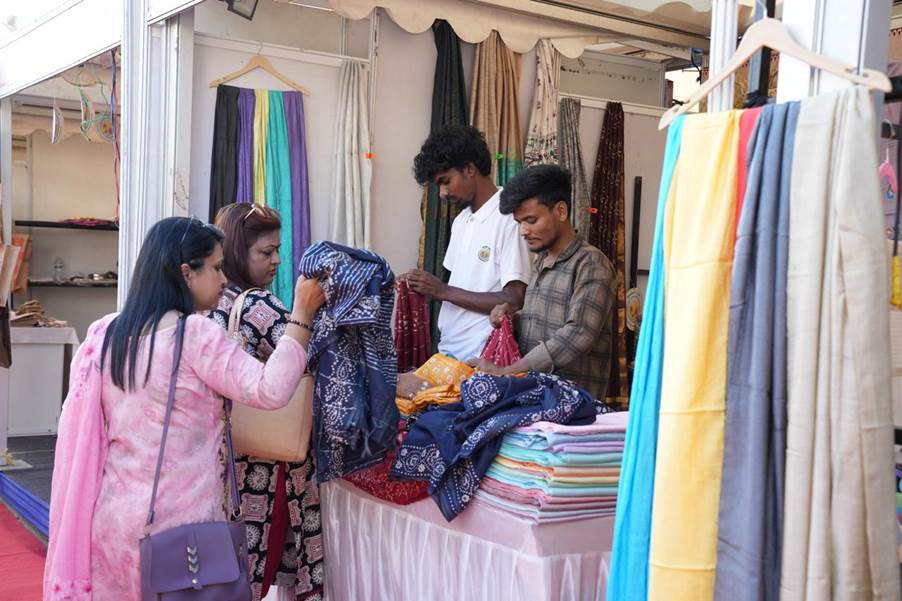
Direct interaction with consumers enabled artisans to build prospective business relationships, gain valuable market feedback, and generate substantial direct sales income.
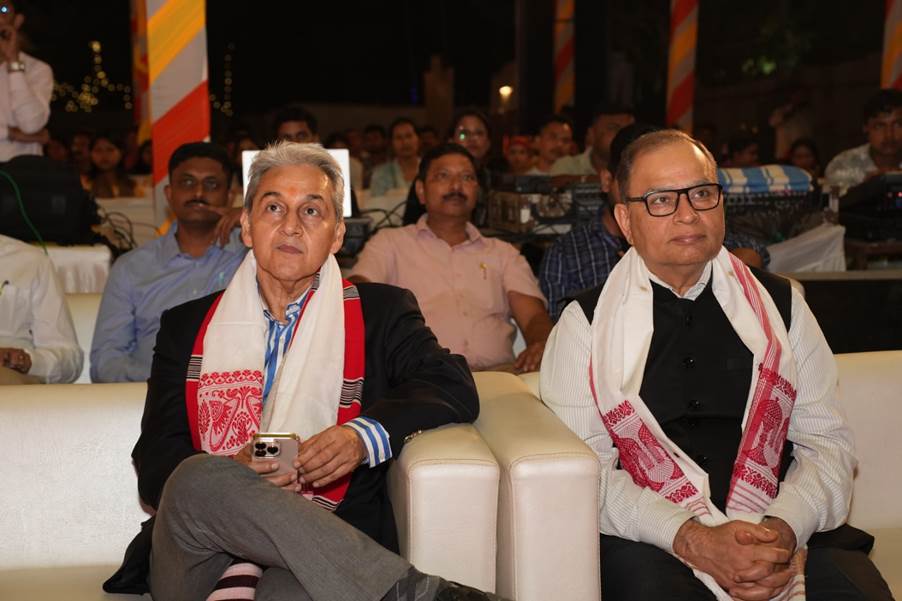
A major milestone of the Mela was the visit of Shri Sudhansh Pant, Secretary, Ministry of Social Justice and Empowerment. He was accompanied by Shri Prabhat Tyagi, Chairman cum Managing Director of NSFDC (National Scheduled Castes Finance and Development Corporation) and senior officers of the three APEX Corporations.
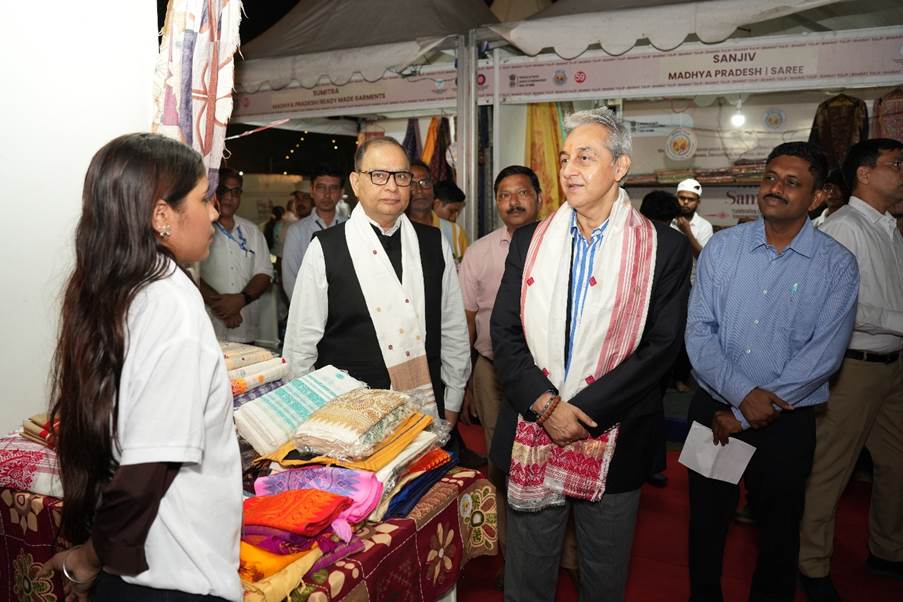
During his comprehensive tour of the stalls and Ministry Pavilion, Shri Pant interacted with artisans to learn about their skills and market opportunities.
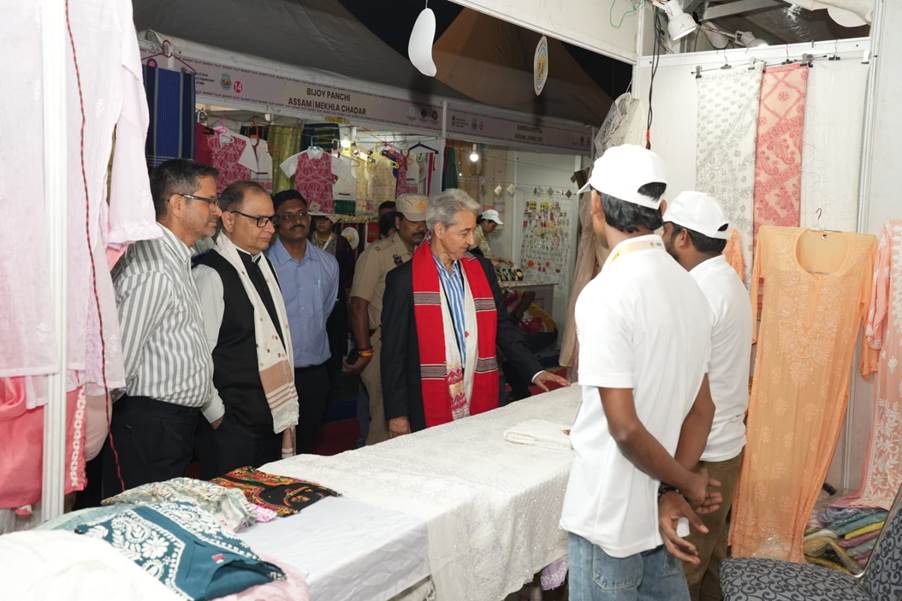
He noted that the initiative aligns with the vision of Hon’ble Prime Minister Shri Narendra Modi guided by the doctrine of ‘Sabka Saath, Sabka Vikas’, creating concrete avenues for artisans to convert traditional craftsmanship into sustainable economic independence.
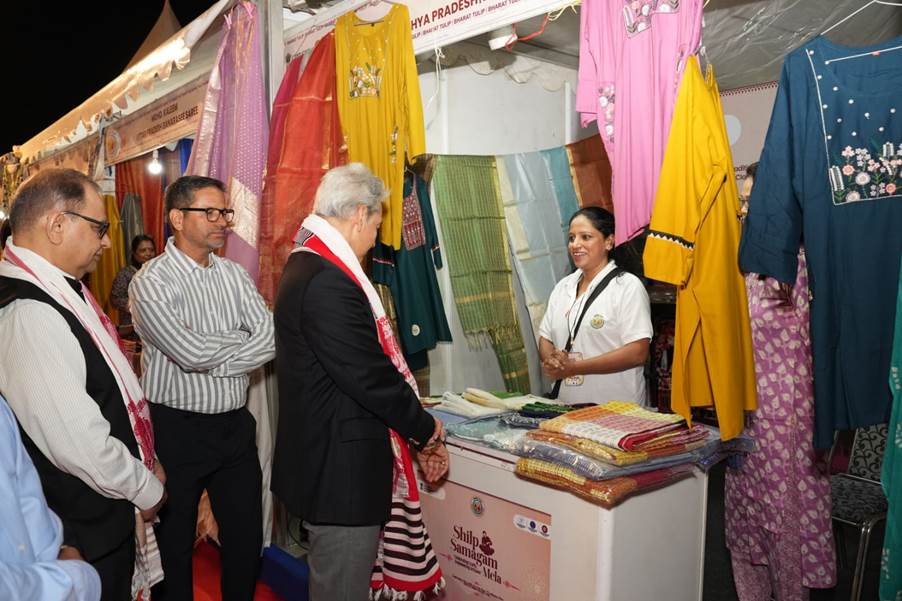
A key focus throughout the Mela was the promotion of BHARAT-TULIP (Traditional Artisans’ Upliftment Livelihood Programme), which facilitates market access for artisans through physical outlets and e-commerce platforms. By connecting traditional skills with modern consumer channels, the program strengthens market linkages and helps artisans expand their business presence.
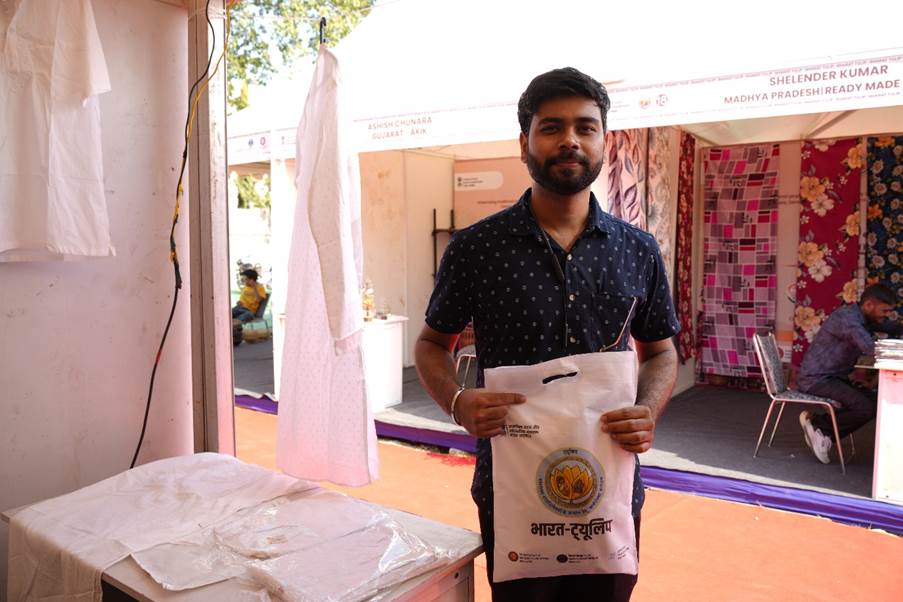
The dedicated Ministry Pavilion served as a key hub for public outreach, using interactive LED displays to inform visitors about welfare, financial assistance, and skill development schemes managed by the Ministry’s three National Corporations namely National Scheduled Castes Finance and Development Corporation (NSFDC), National Backward Classes Finance and Development Corporation (NBCFDC) and National Safai Karamcharis Finance and Development Corporation (NSKFDC).
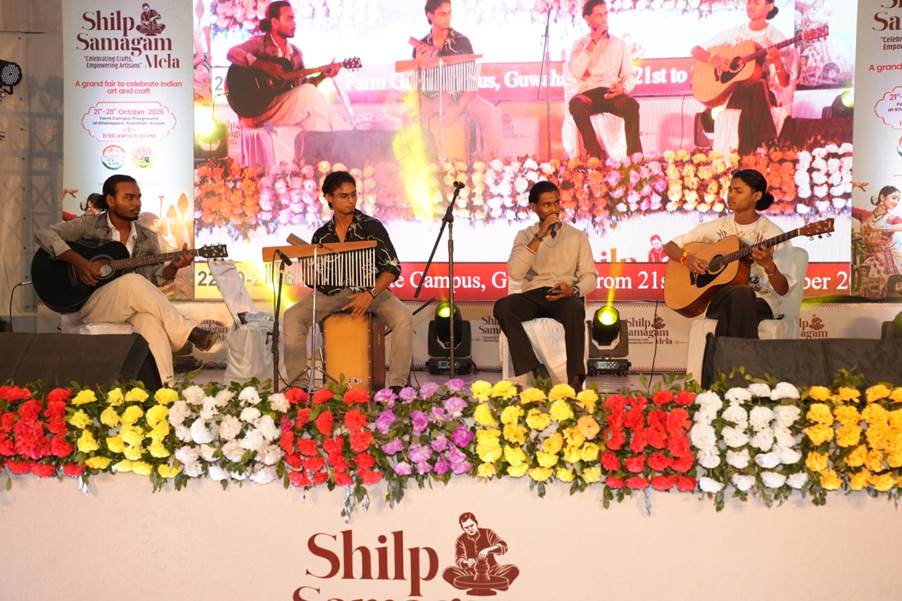
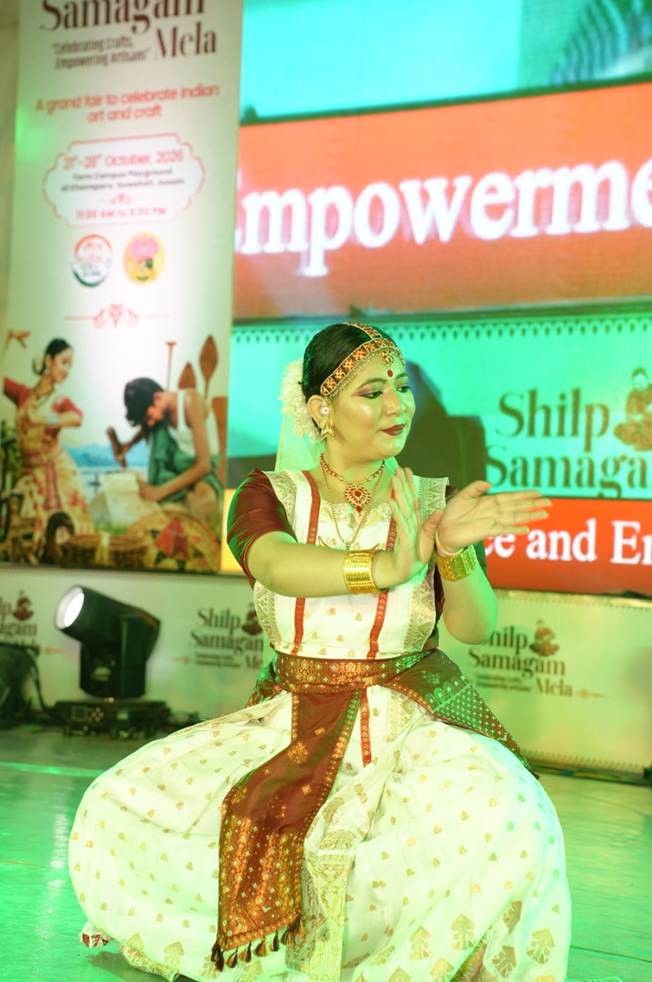
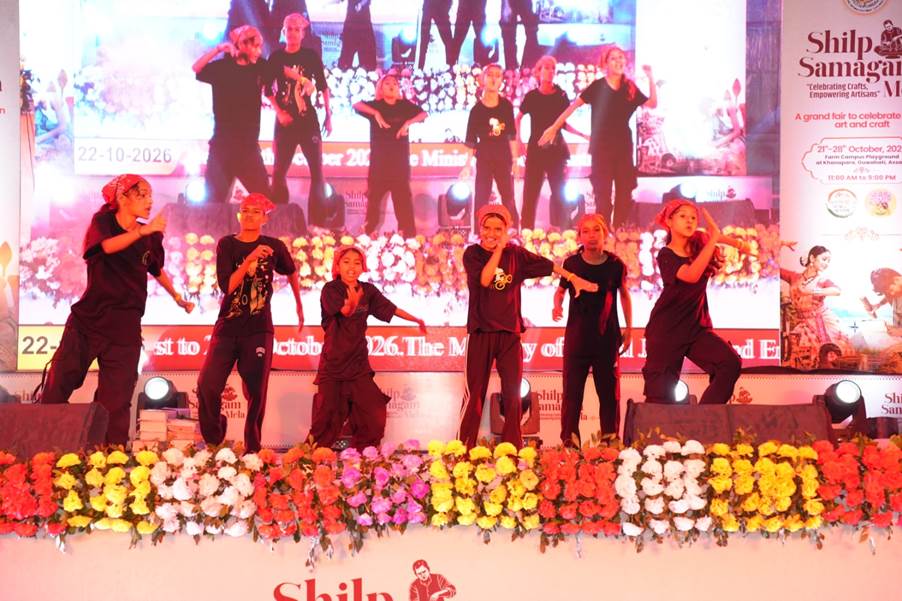
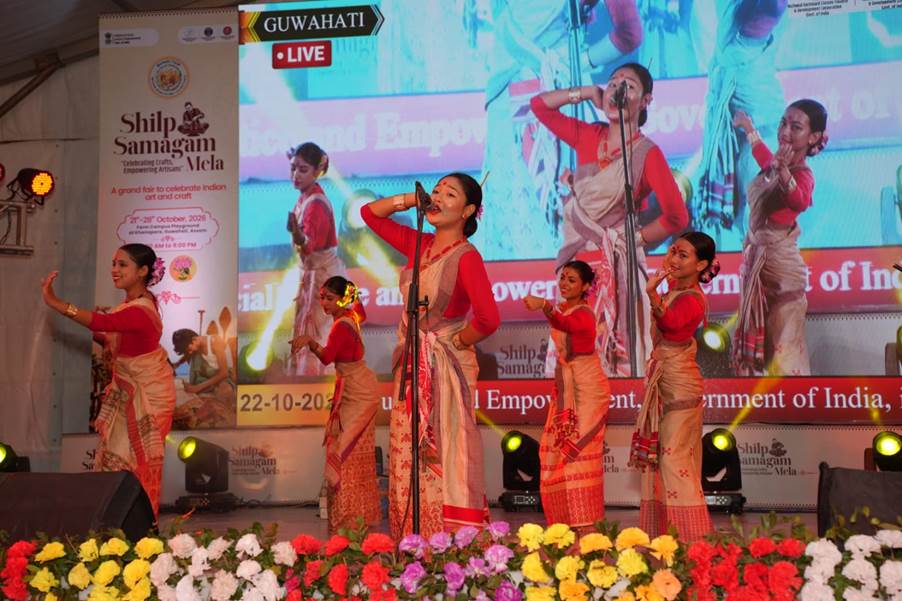
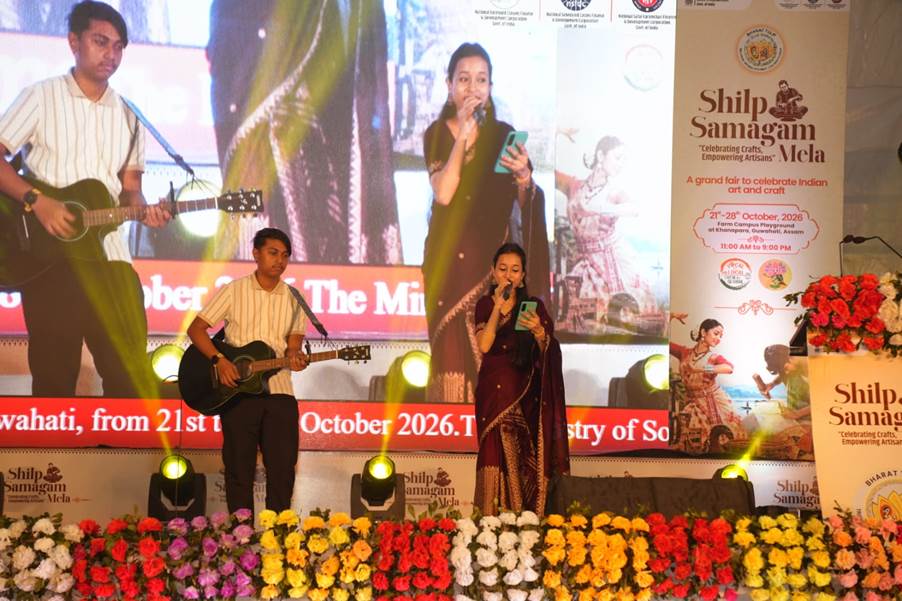
Daily cultural performances featuring traditional music and folk dances representing the North-Eastern region added significantly to the Mela’s public appeal. These cultural programs were livestreamed throughout the eight days to extend public engagement beyond the physical venue.
The Ministry Official stated that the enthusiastic response from the public and the strong commercial outcomes for participating artisans demonstrate the effectiveness of combining direct market access, public awareness, and cultural promotion. Through initiatives such as Shilp Samagam Mela, the Ministry continues to advance its commitment to empowering marginalized communities and preserving India’s rich handloom and handicraft heritage.
****
PR-202-TAR/KV/GA/RK