Posted On:
12 NOV 2026 8:00PM by PIB Delhi
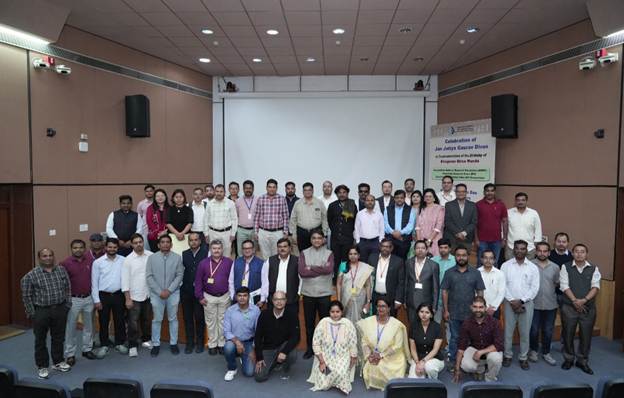
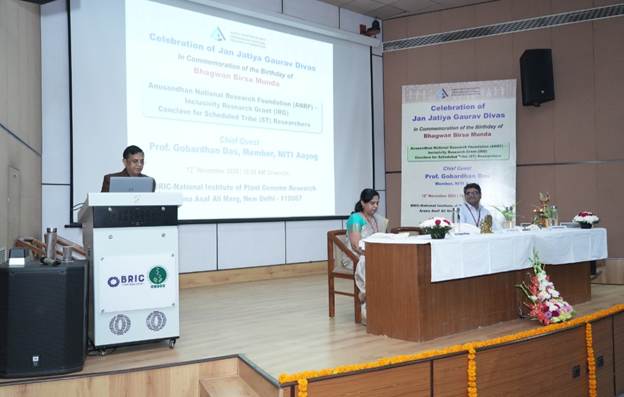
The Anusandhan National Research Foundation (ANRF) organised a one-day Conclave for the IRG/EMEQ Principal Investigators at the BRIC–National Institute of Plant Genome Research (NIPGR), New Delhi, today. As per the directives of the Ministry of Tribal Affairs, this conclave was organised as part of the nationwide celebrations of Jan Jatiya Gaurav Divas 2026, being observed from 1 to 15 November 2026 to commemorate the birth anniversary of Bhagwan Birsa Munda on 15 November.
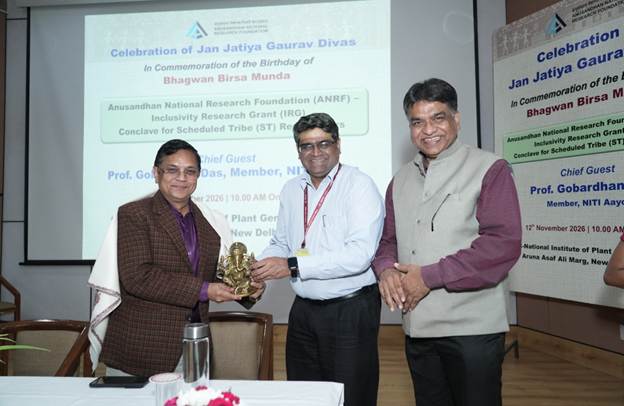
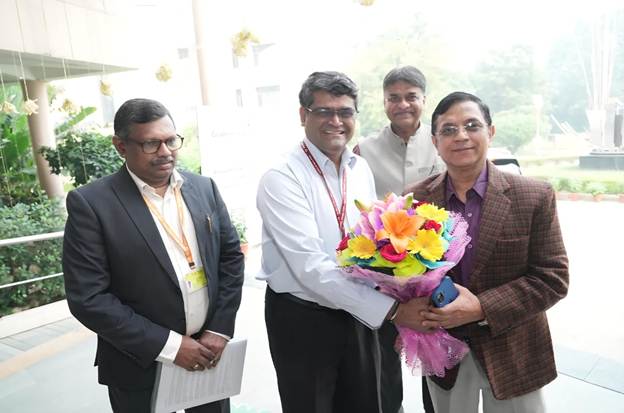
Prof. Gobardhan Das, Member, NITI Aayog, graced the occasion as the Chief Guest. Dr. Shivkumar Kalyanaraman, CEO, ANRF; Dr. Manoj Prasad, Director, BRIC-NIPGR; Dr. Nishant Verma, Joint Secretary, ANRF; Dr. Premila Mohan, Scientist-G, ANRF; Dr. T. Thangaradjou, Scientist-F and Program Director, IRG; Dr. Pramod Kumar Prasad; Dr. Ramesh Vijayan, Program Officers of IRG and EMEQ along with senior ANRF officials and other distinguished dignitaries were present at the conclave. Around 60 Principal Investigators and scientists participated in the conclave.
Prof. Gobardhan Das, while delivering the inaugural address, highlighted the legacy of Bhagwan Birsa Munda and the contributions of other social reformers and leaders in advancing the aspirations of tribal communities. He also spoke about initiatives by the Government focusing on inclusive development and empowerment of Scheduled Caste and Scheduled Tribe communities. Prof. Das also highlighted India's progress across several key sectors, including economic growth, infrastructure development, poverty reduction and overall socio-economic development. He emphasized that the country's development trajectory reflects the importance of sustained investments in science, technology, research and innovation.
Dr. Shivkumar Kalyanaraman delivered the Presidential Address. Referring to the significance of Jan Jatiya Gaurav Divas, he emphasised the importance of ensuring that tribal communities are equal partners and contributors to India's journey towards becoming a global knowledge and innovation powerhouse. He highlighted ANRF's commitment to democratising research opportunities and creating an enabling ecosystem in which researchers can pursue independent research, strengthen their capabilities and contribute to national scientific priorities. He underscored that the vision of Viksit Bharat 2047 requires the active participation and leadership of tribal communities in education, science, technology and innovation. CEO, ANRF, appreciated achievements in terms of research publications and patent filings. However, he emphasized the need for PIs to align their research outcomes with ANRF's broader impact-oriented approach, focusing on the translation of research into tangible societal benefits, technological advancements, and solutions to pressing national challenges. He underscored the importance of demonstrating measurable outcomes and long-term impact of ANRF-funded research on society and the national R&D ecosystem.
Dr. Premila Mohan spoke about the achievements of the erstwhile EMEQ programme and the evolution of the Inclusivity Research Grant (IRG). She highlighted the success of the program in terms of research outcome including publication of over 5,300 research papers and filing more than 300 patents over the last decade. Dr. T. Thangaradjou delivered the Welcome Address and Dr. Pramod Kumar Prasad, proposed the vote of thanks.
The Technical Programme featured expert talks and discussions on research project implementation, planning and publication, proposal development, and research priorities in engineering sciences. Prof. Chandra Shekhar Sharma of the Indian Institute of Technology (IIT), Hyderabad, delivered a talk on “Making Every Grant Count: Effective Implementation and Management of Research Projects”. Dr. Subeer S. Majumdar, former Director General, Gujarat Biotechnology University, and Director, DBT–National Institute of Animal Biotechnology, Hyderabad, spoke on “The Art of Choosing Right or Wrong While Planning, Conducting and Publishing Research Work”.
The second technical session included a presentation on the activities of the Ministry of Tribal Affairs. Dr. Manoj Prasad, Director, BRIC-NIPGR, delivered a talk on “Crafting a Winning Research Proposal: Strategies, Best Practices, Do’s and Don’ts and Lessons from ANRF-Funded Projects”. Prof. Dipti Ranjan Sahoo of IIT Delhi spoke on “Research Needs in Engineering Sciences in India”.
About the Inclusivity Research Grant (IRG)
ANRF, in its endeavour to facilitate equal participation of researchers from all sectors of society, has initiated the scheme Inclusivity Research Grant (IRG). IRG subsumes the Empowerment and Equity Opportunities for Excellence in Science (EMEQ) scheme of erstwhile SERB. It supports researchers from Scheduled Caste and Scheduled Tribe communities in pursuing frontier research in Science and Engineering. The program seeks to strengthen their research capabilities, facilitate their integration into the wider research ecosystem and ensure that talented researchers have opportunities to contribute to India's scientific and technological advancement. Through initiatives such as the IRG, ANRF aims to make the research ecosystem more inclusive and broaden access to research opportunities across social and institutional backgrounds.
****
NKR/FT/AA