Posted On:
14 NOV 2026 6:43PM by PIB Kolkata
Kolkata, November 14, 2026
RuralConnect 2026 has commenced at the Indian Institute of Technology (IIT) Kharagpur. The two-day national workshop on Rural Communication Innovations, started today, the Children’s Day, under the theme “Empowering Underprivileged Youth,” bringing together distinguished guests from industry, academia and government, as well as researchers, mentors and students. The workshop examines how affordable, reliable connectivity can widen access to education, information and essential services in rural and underserved communities.
The Minister for Panchayat & Rural Development, Agricultural Marketing and Animal Resources Development, government of West Bengal, Shri Dilip Ghosh joined the inaugural programme as Chief Guest and extends his encouragement to the RuralConnect initiative. His support underscores the importance of involving young people in shaping the future of their villages and of pursuing research that responds to the needs of rural communities.
The workshop built on ongoing research at IIT Kharagpur’s SWAN Lab in wireless communication, the Internet of Things (IoT) and networked sensing. The research team has been working on technologies that connect devices and carry information where network coverage and resources can be limited. RuralConnect broadens that effort by bringing the people who design these systems into conversation with those who deploy them and those who could benefit from them.
A village may appear connected on a coverage map, yet a student may still struggle to download a lesson on a shared phone or a health worker may be unable to send a report when the signal drops. Those practical constraints shape the workshop’s discussions. Participants considered whether proposed solutions can work with intermittent connectivity, be used in local languages and be maintained affordably after deployment.
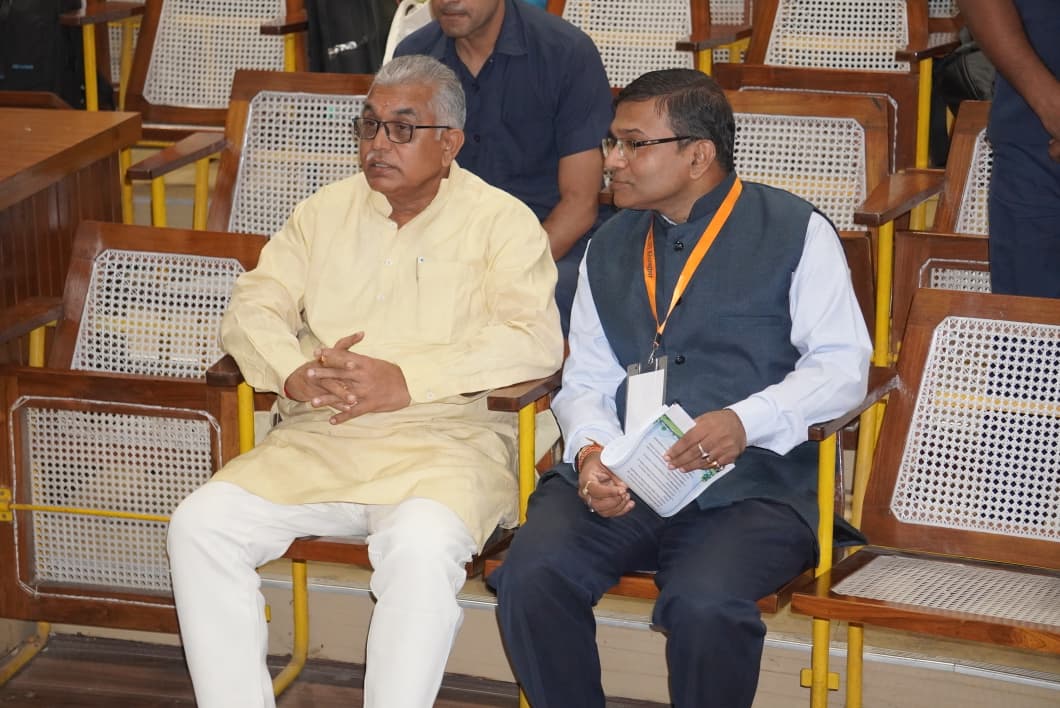
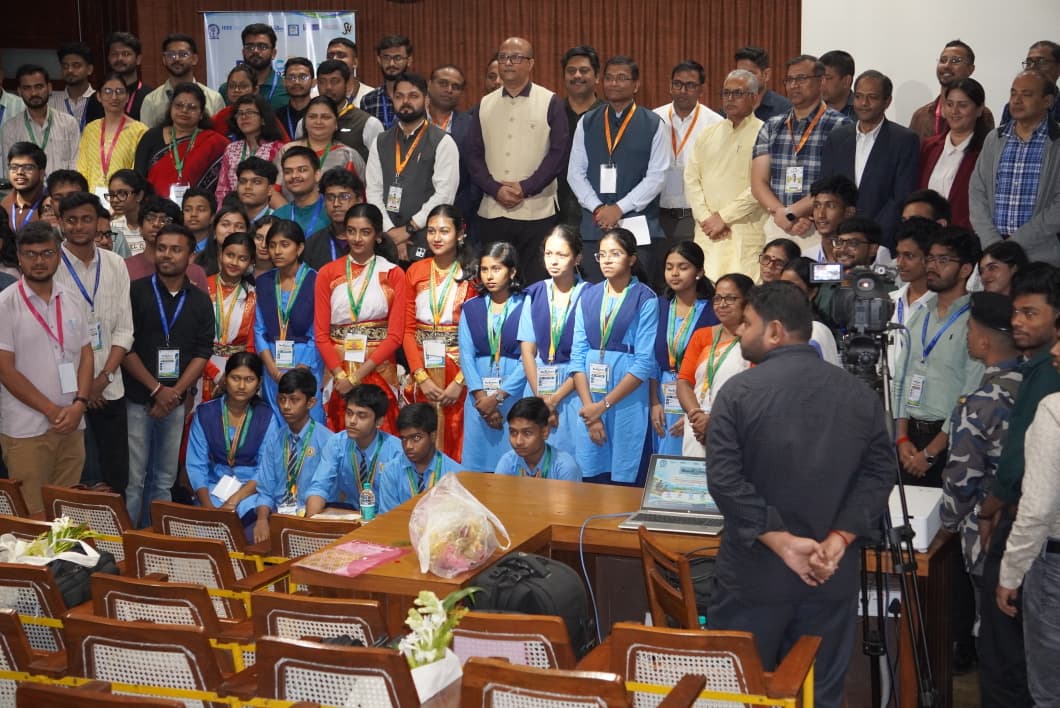
The two-day event on expert talks, a panel discussion and a technical tutorial on rural wireless networks and IoT connectivity is providing participants a chance to examine both the engineering and the practical barriers to deployment. In the mentored Ideathon, student teams are finding opportunity to develop proposals under two tracks, Rural Communication and AI/ML for Rural India. Mentors are also helping teams identify who would use their solution, what it would cost to run, and how they might test whether it improves on what people already do.
Students from Ramakrishna Sarada Siksha Sadan, Pratapdighi, joined the first-day workshop with their teachers and staff today. In a dedicated essay competition, the students described how they would like their villages to develop in the coming years. The format gave them room to set their own priorities, whether that means better school facilities, more dependable internet or more opportunities to work close to home. Alongside the technical programme, the workshop also celebrated traditional Bengali culture and the role young people play in keeping local traditions alive.
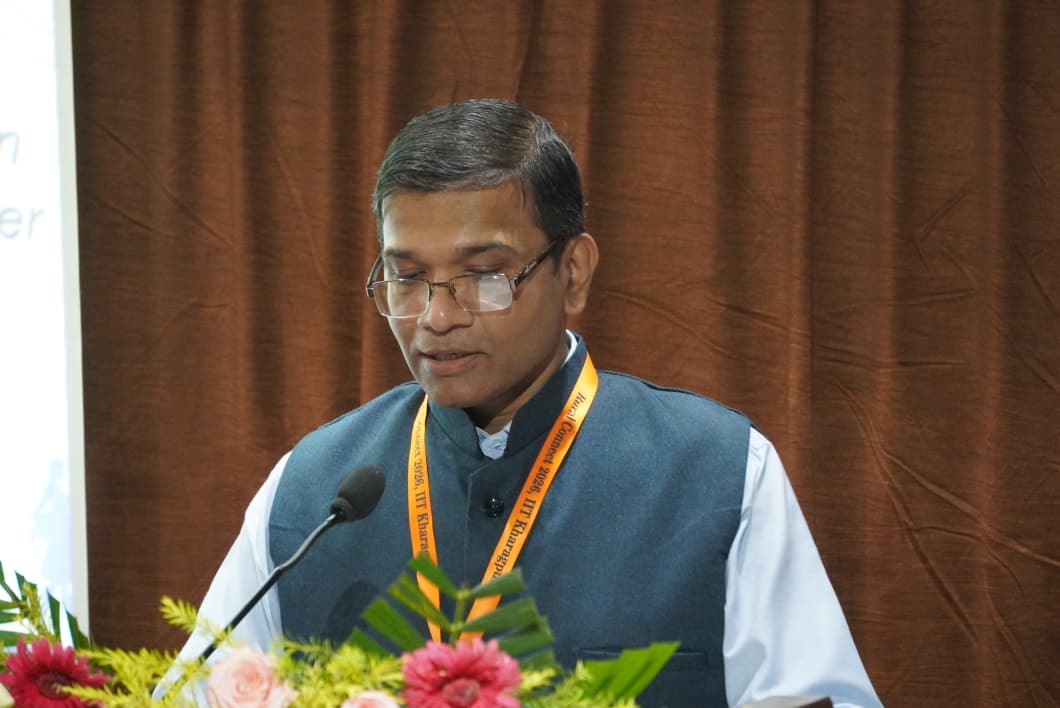
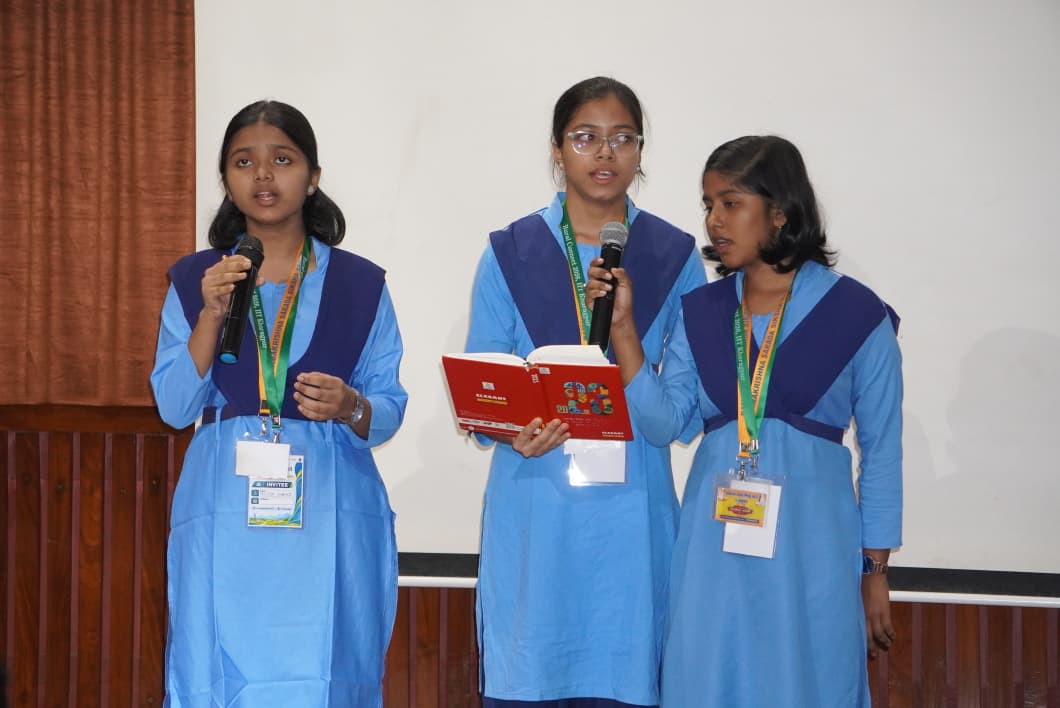
RuralConnect has been designed to keep the conversation going after the end of the two-day programme. Feedback from mentors and perspectives from visiting students help teams decide what to refine, whom to consult and which ideas are ready for a first field test. For the research team, those exchanges also help identify questions that deserve closer study. Hence, future work is shaped by the conditions in which people will use it.
**********
SSS/Kol/