प्रविष्टि तिथि:
19 NOV 2026 5:17PM by PIB Bhopal
As part of the CSIR-Jigyasa programme, CSIR–Advanced Materials and Processes Research Institute (CSIR-AMPRI), Bhopal, organised a scientific exposure visit for 52 students from Jawahar Navodaya Vidyalayas (JNVs) across Madhya Pradesh, accompanied by 14 faculty and support members, including Vice Principals, Post Graduate Teachers (PGTs), Trained Graduate Teachers (TGTs) and a staff nurse on 18th November 2026. The visiting students were the winners of the Regional Science Congress 2026, organised by Jawahar Navodaya Vidyalayas.
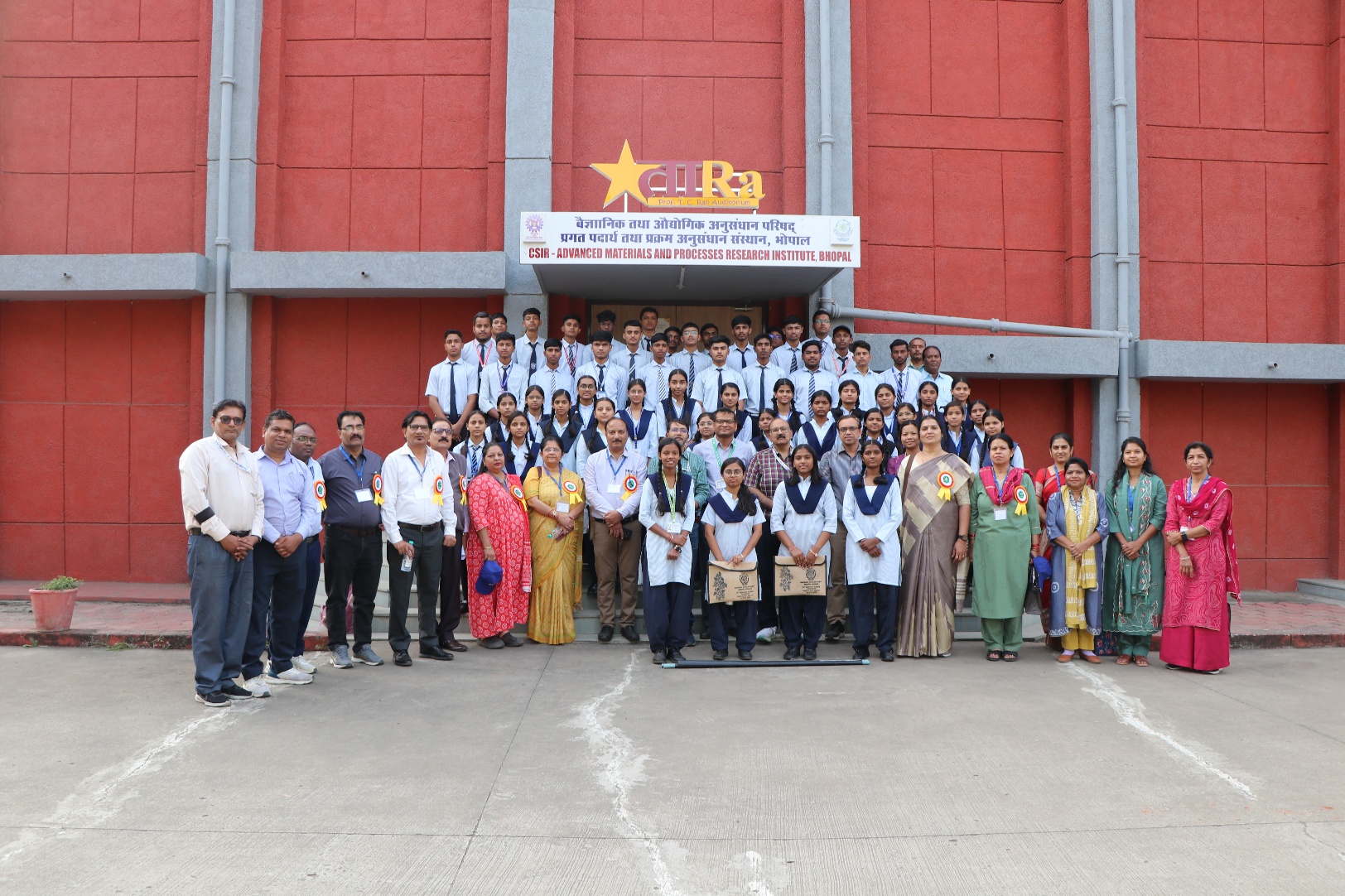
The visit aimed to provide students with first-hand exposure to ongoing scientific research and technological developments at a national research laboratory, while strengthening the connection between school education and scientific research.
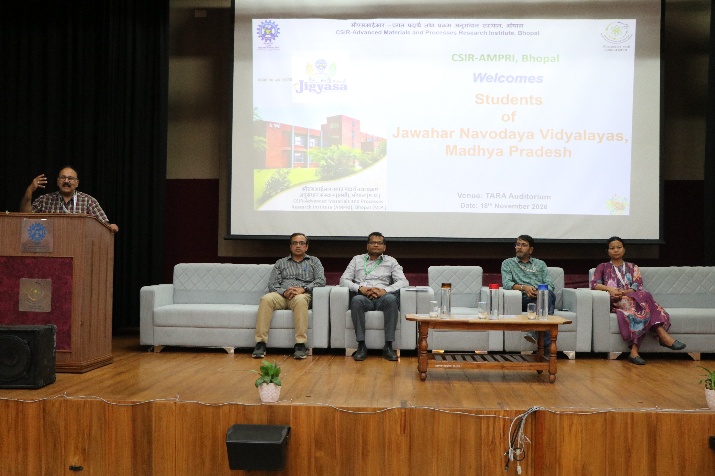
The programme commenced with an inaugural session presided over by Dr. (Er.) Manish Mudgal, Scientist-G, who emphasised the importance of scientific curiosity, innovation and research in addressing societal challenges. Shri Shiv Singh Patel, Scientist-E, delivered the welcome address and briefed the participants about the objectives and inception of CSIR-Jigyasa in 2017 by the Council of Scientific and Industrial Research (CSIR) in partnership with the Ministry of Education (including Kendriya Vidyalaya Sangathan and Navodaya Vidyalaya Samiti) and activities of the CSIR-Jigyasa programme. Er. Medha Mili, Scientist-E, provided an overview of the day's programme and its planned activities. Dr. Sandeep Singhai, Scientist-F, introduced the students to the broader mandate, research contributions and activities of the Council of Scientific and Industrial Research (CSIR) and it’s pan network of 37 national laboratories, 39 outreach centres, 1 Innovation Complexes, and three units.
A major highlight of the visit was the students' exposure to the research and development activities of CSIR-AMPRI through the Vivekananda Exhibition Gallery. The students witnessed exhibits, prototypes, scientific demonstrations and ongoing R&D work representing different research areas of the Institute. The visit provided them an opportunity to understand how scientific principles and classroom concepts are translated into practical technologies and solutions. The students were particularly fascinated by the wide spectrum of technologies developed and researched at the Institute, including SODAR, Additive Manufacturing, Waste-to-Wealth technologies, D-tox Neer water filter, light weight metallic materials, open & closed cell foams, cement-free concrete, parali-based composites, bamboo composites, indigenous Raman spectrometer, sisal fibre extraction and value-added products, red mud-based radiation shielding tiles and concrete, phase change material-embedded bricks, smart actuators and electrochemical processes. These demonstrations offered an insight into how scientific research and innovative materials can address challenges related to environmental sustainability, water purification, infrastructure, energy efficiency and industrial waste utilisation.
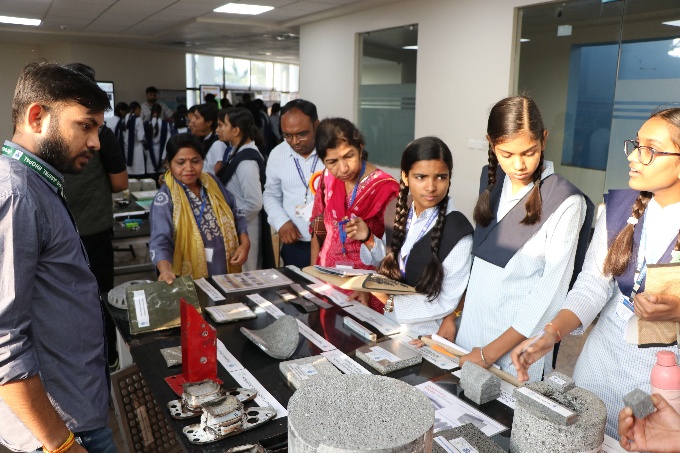
The students and accompanying teachers also engaged in direct, one-to-one interactions with CSIR-AMPRI scientists, Ph.D. scholars and research groups. They raised questions on various scientific and technological topics, which were addressed through detailed explanations and discussions by the researchers. The interactive sessions encouraged students to explore scientific concepts, understand research methodologies and learn about opportunities in science and technology.
The enthusiasm of the visiting delegation was evident during the interactions, with students expressing a keen desire to spend more time at CSIR-AMPRI to further explore its research facilities and engage with scientists. The visit thus provided an enriching platform for scientific learning, knowledge exchange and inspiration for young students aspiring to pursue careers in science and research.
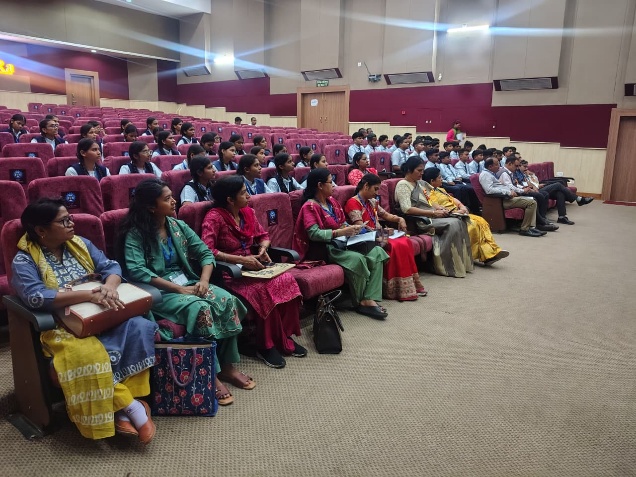
The programme concluded with a vote of thanks by Dr. Prabhat Kumar Baghel, Scientist-F who acknowledged the participation of the visiting delegation and the contributions of the scientists, researchers and organising team in making the visit meaningful.
***