Posted On:
26 NOV 2026 12:55PM by PIB Bhopal
A delegation of more than 50 teachers from educational institutions across Madhya Pradesh visited CSIR–Advanced Materials and Processes Research Institute (CSIR-AMPRI), Bhopal, on 20th November 2026, to witness the Institute's research outputs and technological innovations under its scientific outreach activities.
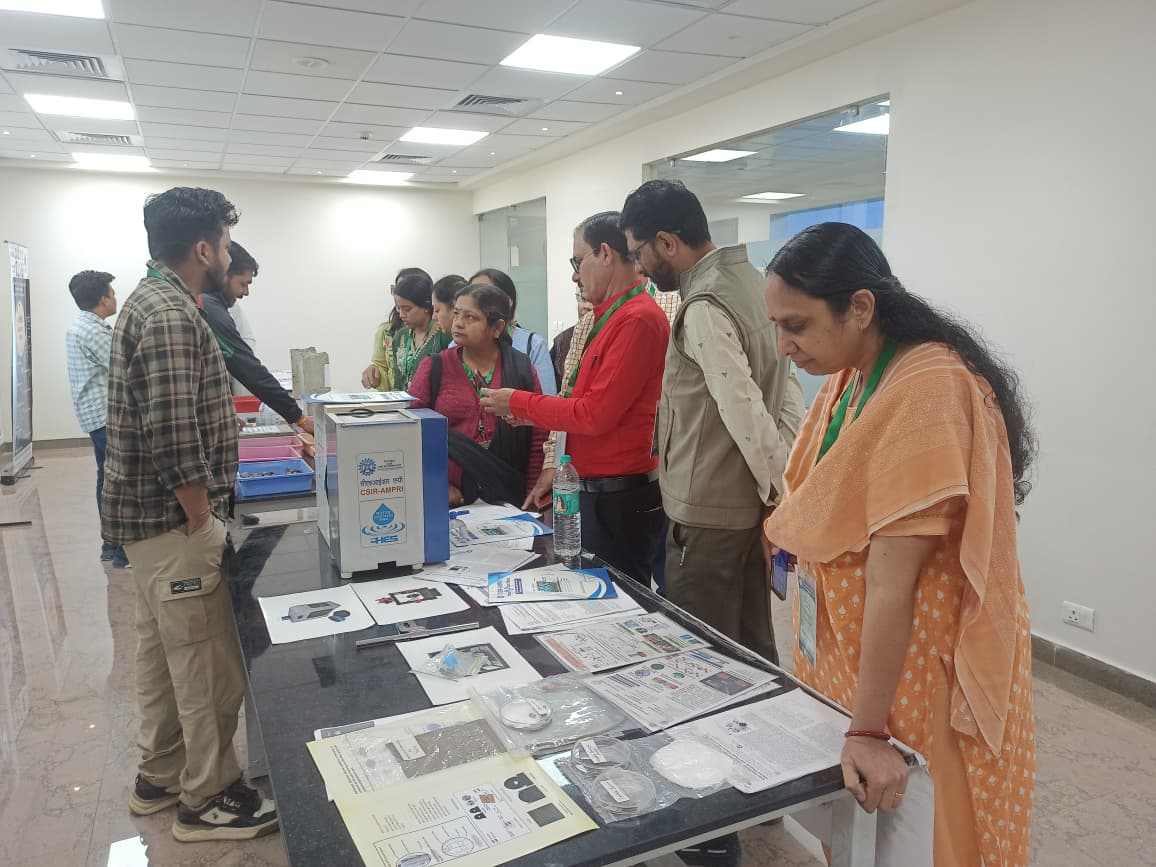
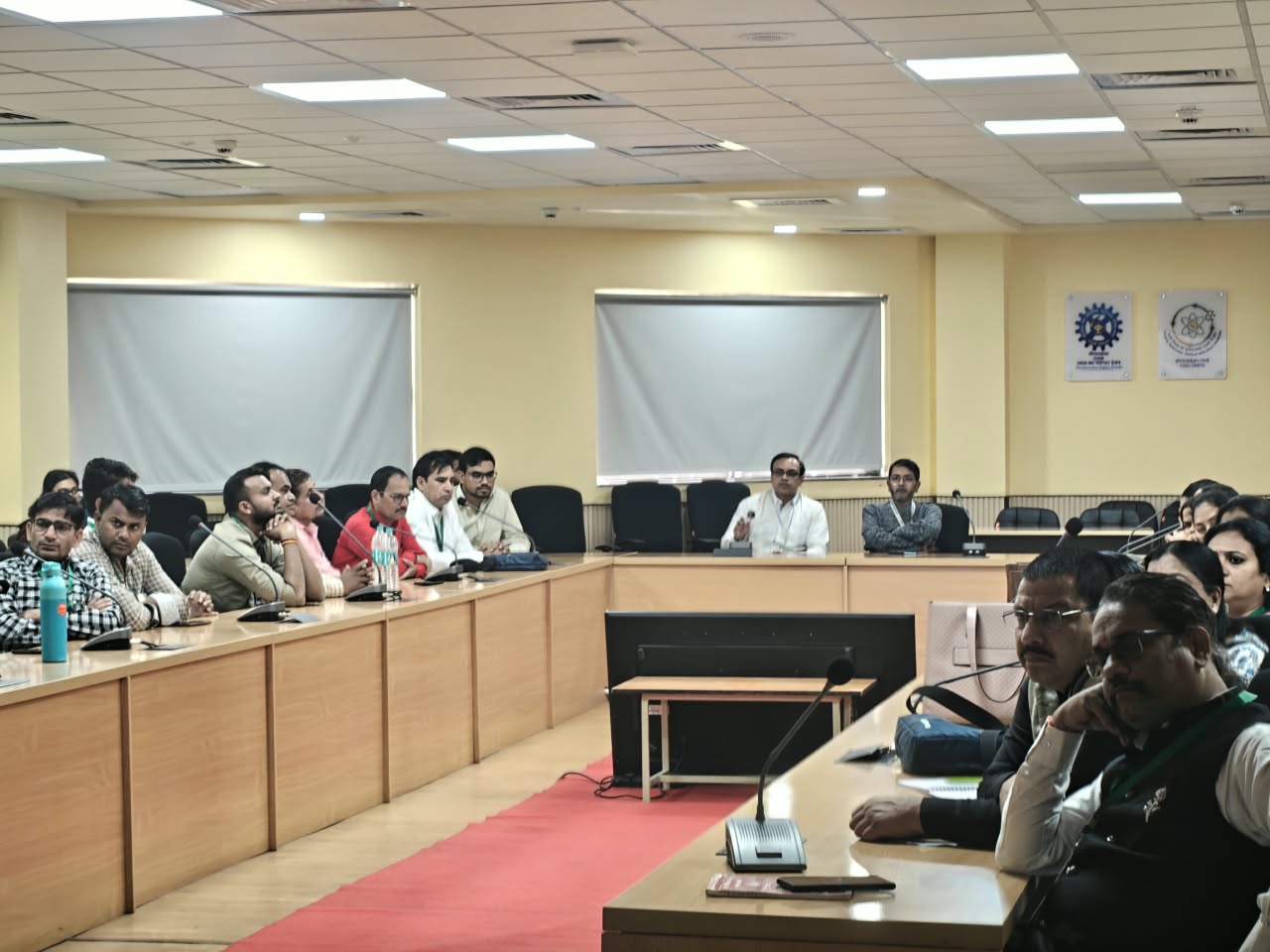
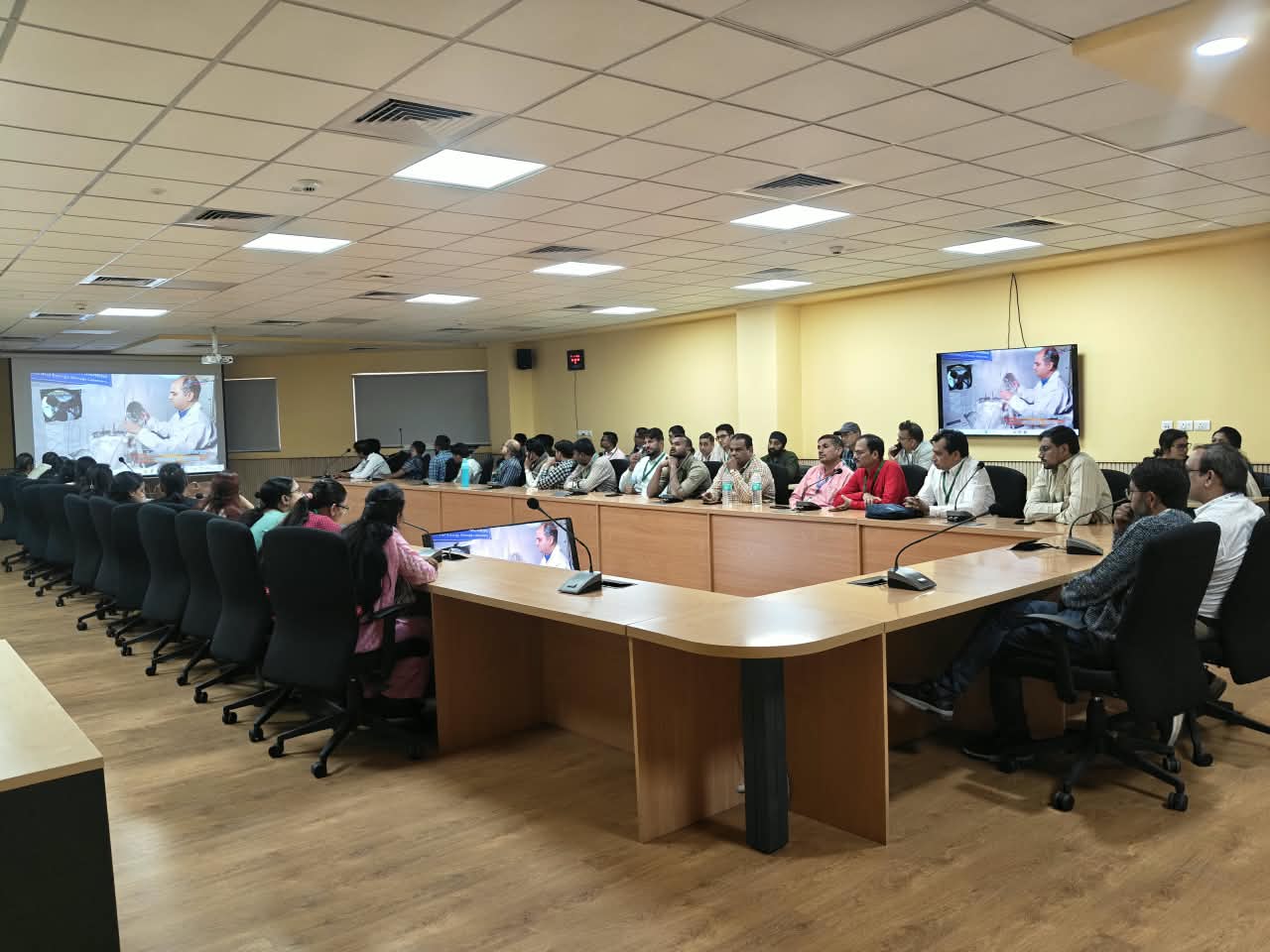
The delegation visited the conference room wherein CSIR-AMPRI movie was featured after which teachers visited Vivekananda Exhibition Gallery, where they explored various R&D exhibits, prototypes and technologies developed by CSIR-AMPRI. Shri Shiv Singh Patel, Scientist-E, delivered the welcome address and briefed the participants on the objectives and activities of the CSIR-Jigyasa programme. Dr. Prabhat Kumar Baghel, Scientist-F, briefed the delegation on the Council of Scientific and Industrial Research (CSIR) and the research mandate and contributions of CSIR-AMPRI.
A major highlight of the visit was the teachers' exposure to the research and development activities of CSIR-AMPRI through the Vivekananda Exhibition Gallery. The teachers witnessed exhibits, prototypes, scientific demonstrations and ongoing R&D work representing different research areas of the Institute. The visit provided them an opportunity to understand how scientific principles and classroom concepts are translated into practical technologies and solutions. The teachers were particularly fascinated by the wide spectrum of technologies developed and researched at the Institute, including SODAR, Additive Manufacturing, Waste-to-Wealth technologies, D-tox Neer water filter, light weight metallic materials, open & closed cell foams, cement-free concrete, parali-based composites, bamboo composites, indigenous Raman spectrometer, sisal fibre extraction and value-added products, red mud-based radiation shielding tiles and concrete, phase change material-embedded bricks, smart actuators and electrochemical processes. These demonstrations offered an insight into how scientific research and innovative materials can address challenges related to environmental sustainability, water purification, infrastructure, energy efficiency and industrial waste utilisation.
The visit provided an opportunity to strengthen the interface between school education and scientific research and encouraged teachers to integrate contemporary scientific developments into classroom learning.
***