Ministry of Environment, Forest and Climate Change.
26-August, 2026 08:51 IST
India Calls for Community-Led Restoration of Rangelands at UNCCD CoP17 in Ulaanbaatar, Mongolia
India’s approach integrates Landscape Management and Livelihood Support, with Community Participation at its core: Shri Bhupender Yadav
Successful Restoration begins with Pastoralists as Custodians, not merely Beneficiaries: Union Environment Minister
India has emphasised the critical role of rangelands in sustaining pastoralist communities, conserving biodiversity and regulating water and carbon cycles, while calling for restoration approaches rooted in science, secure tenure and community stewardship. Addressing the Ministerial Dialogue on “Restoration of Rangelands and the Well-being of Pastoralist Communities” at the 17th Conference of Parties (CoP17) of the UN Convention to Combat Desertification (UNCCD), Union Minister for Environment, Forest and Climate Change, Shri Bhupender Yadav, highlighted India’s experience in restoring grasslands and rangelands through a combination of scientific planning and community participation.
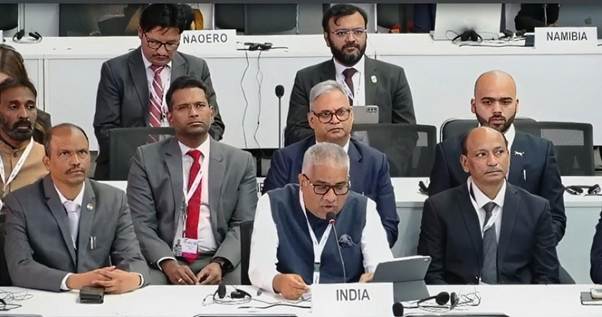
Emphasising the central role of pastoralists, Shri Yadav stated, “Successful restoration begins with pastoralists as custodians, not merely beneficiaries”. He underlined that combining traditional knowledge with modern science can deliver restoration that is ecologically sound, economically viable and socially inclusive. He informed the gathering that India’s rangelands stretch across diverse landscapes—from Himalayan pastures and Central Indian savannas to the arid Thar, Kachchh regions and Southern sholas—and sustain the country’s vast livestock and human population. The Minister further noted that Satellite-based Desertification and Land Degradation Atlases provide a scientific basis for mapping grasslands and planning restoration, while recognition of grazing rights and community forest resource rights strengthens the role of local communities in sustainable management.
Highlighting India’s traditional systems of community conservation, Shri Yadav cited the example of Orans in Rajasthan, the sacred groves revered and protected by local communities for their cultural and ecological significance. He informed that around 25,000 such community-protected sacred groves, covering approximately 0.6 million hectares across the country, exemplify community stewardship while also securing pastoral land rights and conserving critical habitats, including those of the Great Indian Bustard. Many of these sacred groves are protected under statutory provisions, Shri Yadav added. The Minister further highlighted India’s efforts to restore open forest and grassland ecosystems, including the reintroduction of the Cheetah and its proposed expansion into grasslands such as Banni in Gujarat. He noted that deep-rooted grasses contribute to soil carbon storage, enhance water infiltration and support groundwater recharge across India’s approximately 10 million hectares of permanent pastures and grazing lands.
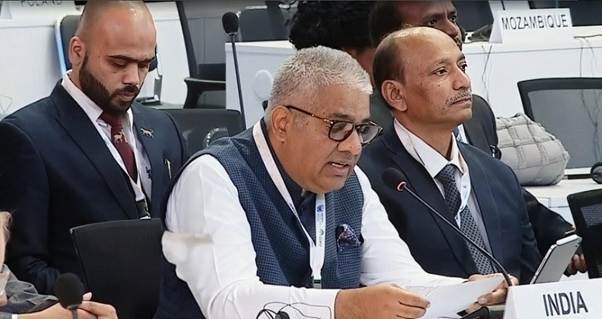
Shri Yadav summed up his address by stating that India’s approach integrates landscape management, watershed development, sustainable grazing, fodder development and livelihood support, with community participation at its core. As developing countries advance towards Land Degradation Neutrality, he called for enhanced access to finance, technology and knowledge, adding that “India welcomes dedicated, accessible financing for rangeland restoration, and stands ready to share its experience and solutions through South-South cooperation.”
*****
VM
(Release ID :293937)