Union Ministry of Health and Family Welfare Organises Shramdaan under ‘Swachhata Hi Seva 2026’
Dr. Rajiv Bahl, Secretary Department of Health Research Leads Cleanliness Drive; Senior Officials and Staff Participate with Enthusiasm
Ministry Emphasises Jan Bhagidari, Collective Responsibility and the Linkage between Cleanliness and Public Health
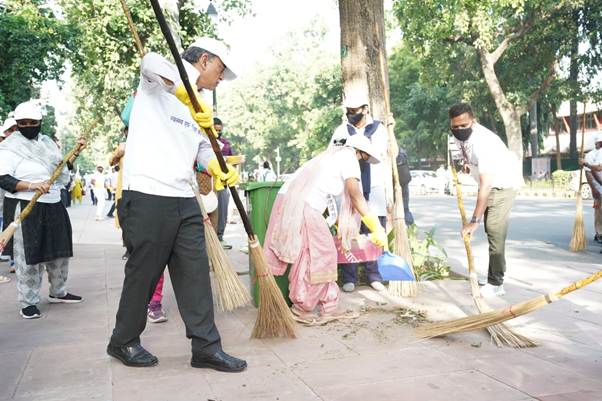
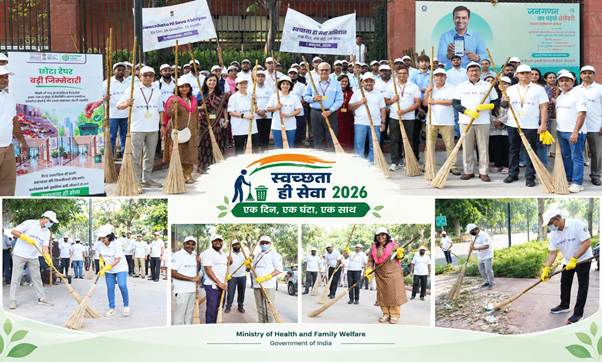
The Union Ministry of Health and Family Welfare organised a voluntary cleanliness drive (shramdaan) under the ‘Swachhata Hi Seva 2026’ campaign near Gate No. 3 of Kartavya Bhavan-1, Dr. Rajendra Prasad Marg, New Delhi, today.
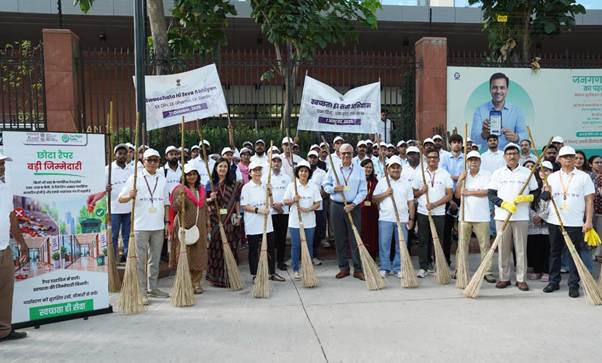
Dr. Rajiv Bahl, Secretary, Department of Health Research and Director General, Indian Council of Medical Research (ICMR), led the shramdaan. Smt. Aradhana Patnaik, Additional Secretary and Mission Director, National Health Mission (NHM); Dr. Rakesh Gupta, Additional Secretary and Director General, National AIDS Control Organisation (NACO); Dr. Loveneesh G. Krishna, Director General of Health Services (DGHS); and other senior officials and staff of the Ministry participated in the cleanliness drive.
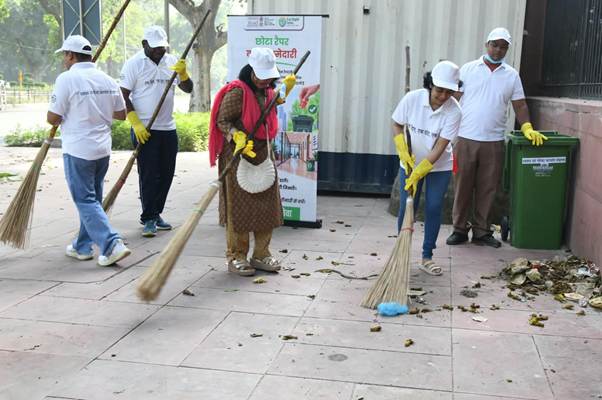
The officials and staff participated with enthusiasm and dedication, reaffirming the spirit of collective action embodied in the campaign theme, ‘Ek Din, Ek Ghanta, Ek Saath’.
Speaking to the media on the occasion, Dr. Rajiv Bahl highlighted the importance of making cleanliness a sustained collective effort and encouraged officials and citizens to contribute actively towards maintaining clean and healthy surroundings.
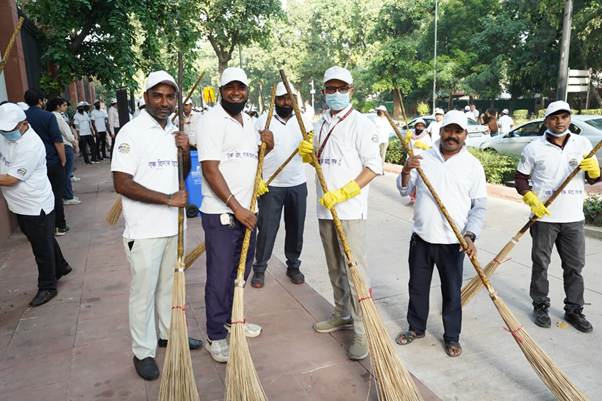
Smt. Aradhana Patnaik emphasised the importance of Jan Bhagidari and individual responsibility in promoting cleanliness and creating healthier public spaces. She highlighted that sustained cleanliness requires active participation and responsible action by every individual.
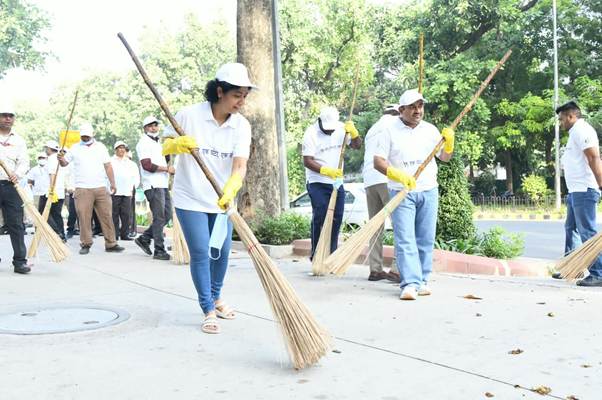
The cleanliness drive formed part of the ongoing ‘Swachhata Hi Seva 2026’ campaign, which seeks to strengthen Jan Bhagidari and encourage citizens to actively contribute towards cleanliness efforts across the country. The campaign underscores that lasting cleanliness is not only an institutional responsibility but also a shared societal commitment requiring sustained public participation and collective action at the community level.
The Ministry of Health and Family Welfare reiterated its commitment to the objectives of Swachh Bharat and highlighted the close linkage between cleanliness, public health and healthy living. The Ministry emphasised that sustained awareness, responsible waste management and active citizen participation are essential for creating cleaner, healthier and more sustainable public spaces.
*****
SR
(Release ID :295582)